A lever operated butterfly valve is a quarter-turn manual flow control device where a rotating disc regulates or isolates media inside a pipeline. The lever provides direct tactile feedback and rapid actuation without auxiliary power. These valves solve three real problems in industrial piping: the need for fast manual shut-off in low-to-medium pressure systems, space constraints where gate or globe valves are too bulky, and the demand for a cost-efficient throttling solution that keeps installation weight low. Understanding their design and operation basics helps procurement teams select the right specification from the first order.

Understanding Lever Operated Butterfly Valves
What Defines This Valve Type
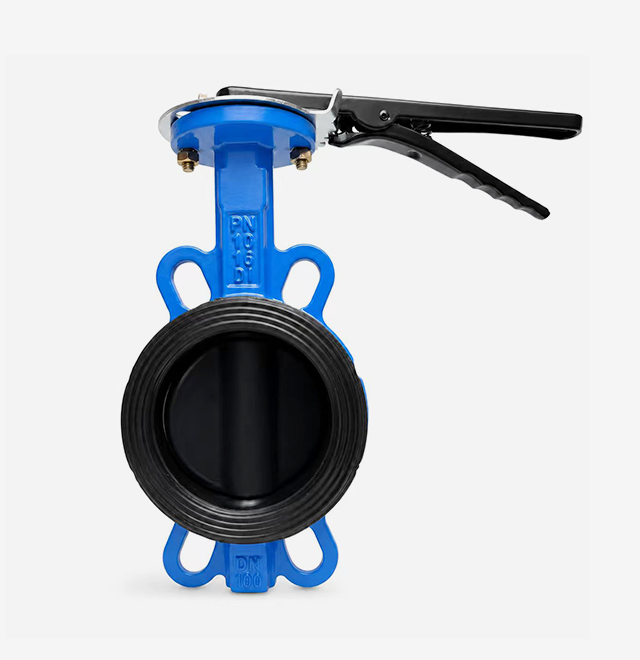
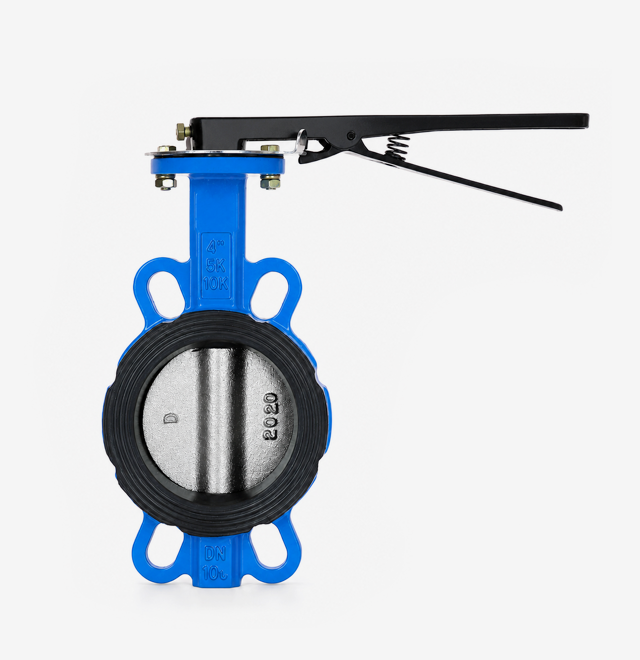
The valve body, the disk, the shaft, and the seat are the four main parts of a butterfly valve that is operated by a lever. There is a direct link between the lever and the shaft. When you turn the lever 90 degrees, the disk goes from fully open to fully closed. This quarter-turn action is faster than a gate valve's multi-turn handwheel, and it doesn't need electricity. This makes it the best choice for manual control in DN50–DN300 pipes at PN10 or PN16 working pressure.
Structural Variants: Wafer, Lug, and Flanged
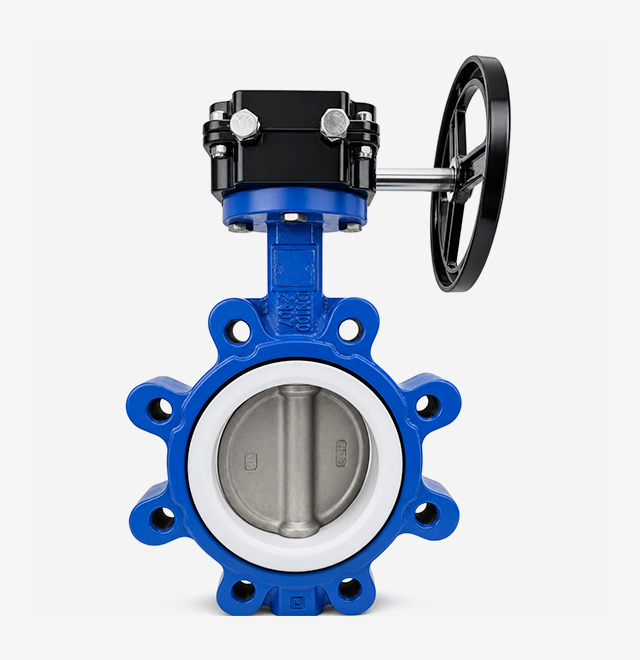
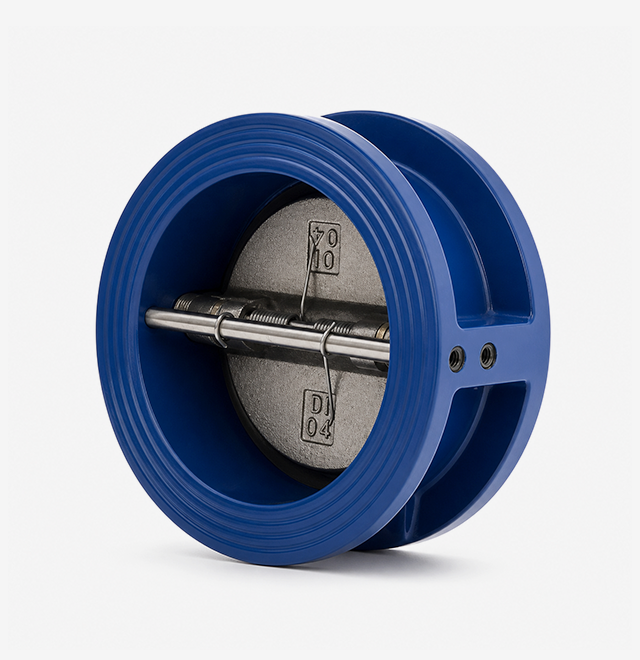
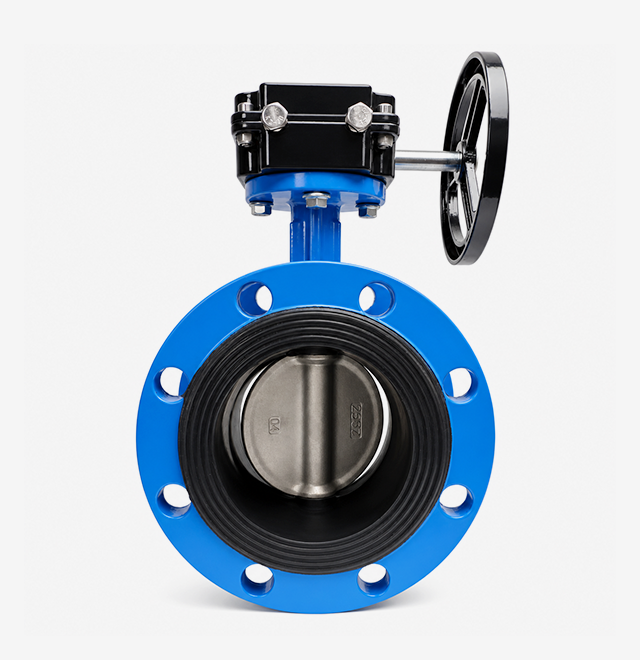
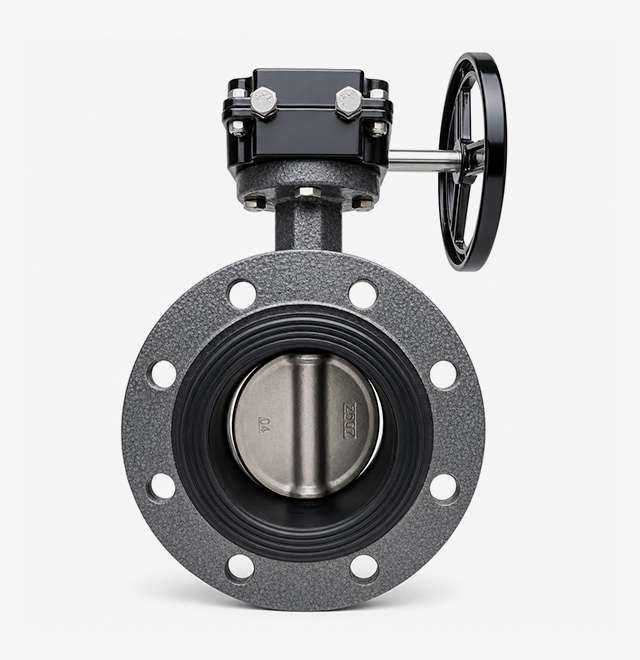
Most of the time, the wafer type is used. It is held in place by through-bolts and sits between two pipe flanges. This makes it very small and light when it is fitted. It has threaded inserts on the lug type that let it be used at the end of a line. For high-cycle uses, the flanged type has built-in rings. The wafer design is the best choice for most general industrial and HVAC uses in the DN50–DN300 range because it is the cheapest and fastest to install.
Material Combinations and Their Logic
Some body materials are carbon steel (WCB), ductile iron (QT450), CF8 (SS304), and CF8M (SS316). After the grade choice, there are disk options. Chemical and temperature stability is based on the seat materials (EPDM, NBR, PTFE, and VITON). You can get the shaft in Q235, 2Cr13, SS304, or SS316. It transfers the torque from the lever to the disk. Most field failures happen because the wrong seat material was chosen. Swelling, permeation, or abnormal operating torque are all caused by the seat elastomer not being compatible with the process medium.
Advantages and Performance of Lever Operated Butterfly Valves
Cost and Operational Efficiency
A lever-operated butterfly valve is cheaper per unit, easier to install, and doesn't use any energy when it's in use compared to types that are powered by gears or actuators. According to data from the Valve Manufacturers Association of America (VMA), manual butterfly valves are the best and cheapest way to isolate pipes that are less than DN300. The lower price per unit is a direct way for procurement teams that handle a large catalog SKU to make money.
Torque, Notch Plate, and Flow Control Accuracy
A 10-position notched plate locks the lever operated butterfly valve lever at fixed incremental angles. This stops movement caused by vibration and lets the throttling happen again and again. In the fully open state, the disk shape has a high flow coefficient (Cv) and a low pressure drop. Key here is the strength of the shaft. Five things determine how well a shaft works: the tolerance for the diameter, the shape of the shaft end, the method of connecting the disk to the shaft, the finish on the surface, and the assembly torque. All five must be controlled for working torque to stay the same across batches. This is a requirement that OEM brand buyers make clear in every supplier check.
Maintenance and Service Life
Here are the basic repair steps that will make your service last longer:
- Annual torque check: Measure operating torque against the original factory specification. A significant increase signals seat swelling or shaft corrosion.
- Seat inspection every 2–3 years: Visually inspect the elastomer for cracking, compression set, or chemical attack. PTFE seats show permeation risk before visible cracking.
- Shaft lubrication: Apply food-grade or chemical-compatible grease to the shaft bearing area based on the process medium requirements.
These maintenance steps keep unplanned downtime to a minimum and make the valve last much longer than the standard 12-month warranty. To avoid having to do a full valve swap, procurement teams that are looking for parts for MRO applications should make sure that replacement seats are available in the same size.
Application Areas and Industry Use Cases
Water Treatment and HVAC
The manual butterfly valve is used to separate chillers, filtration circuits, and distribution headers in water treatment plants and HVAC cooling loops. EPDM chairs work well in clean water and low-chlorine environments, and they can handle temperatures from 0°C to 120°C. The small wafer body can fit into small machinery rooms that are always short on space.
Chemical and Solvent Transfer Lines
An engineer in charge of solvent transfer lines in a paint or ink factory has to choose materials carefully because the seat material has to be able to withstand the specific solvent at the correct concentration and temperature, not just a group of chemicals. A lot of organic solvents and acids can pass through PTFE seats, but the risk of permeation goes up above certain temperatures. It is safe for both the buyer and the seller to check the chemical name, concentration, temperature, and pressure in writing before getting a quote. This check before the quote is given is how selection mistakes—and the responsibility that comes with them—are caught before the valve ships.
Fire Protection and Industrial Pipelines
As a general rule, fire safety headers and industrial pipes should have WCB (carbon steel) bodies and EPDM seats rated to PN16. The working torque on the 500th valve in a shipment must be the same as the operating torque on the first valve in the shipment. With the ISO 5211 actuator mounting pads on the top flange, the valve body can be changed from a lever to an electric or pneumatic actuator in the future.
Comparison with Alternative Valve Solutions
Lever vs. Gear-Operated Models
A butterfly valve with a lever works well for DN50 to DN300 because the amount of force needed is always within a comfortable range. Above DN300, the disc's hydraulic power is too high for a person to handle comfortably, so a worm gear operator is needed. Speed is the trade-off: a lever can open or close in one second, but a gear operator needs to be turned several times by hand. The lever has the fastest response time for emergency isolation in small to medium-sized pipelines.
Butterfly Valves vs. Ball Valves and Gate Valves
For small-bore, high-pressure uses, ball valves offer better tight shut-off, but they cost a lot more per unit above DN150. Gate valves let full-bore flow through without disk blockage, but they need to be turned more than once and take up more face-to-face length. There is a cost-performance gap between these two options. The lever operated butterfly valve has a good tight shut-off, low pressure drop, fast action, and the lowest installed cost per DN in the DN50–DN300 range.
Stainless Steel vs. Ductile Iron Bodies
Ductile iron (QT450) bodies with an epoxy covering are the most cost-effective way to handle water, air, and neutral liquids. When the process medium causes rust on the outside of the body or when hygiene standards apply, SS304 (CF8) or SS316 (CF8M) bodies are chosen. The disk material works the same way: an SS316 disk can be used in a ductile iron body that is mildly corrosive for less money than a full stainless valve.
Procurement Guide for Lever Operated Butterfly Valves
Six Parameters That Prevent Rework
Six things must be confirmed before a quote is made: the size (DN50–DN300), the pressure rating (PN10 or PN16), the medium, the temperature (0–133°C for this valve range), the connection standard (ISO 5211 actuator mounting), and the quantity. Not doing any of these things can cause specs to not match, samples to be rejected, and supplies to be late, all of which cost more than the valve itself.
OEM and Private-Label Readiness
When regional brand distributors buy under their own label, the supplier needs to cover more than just the valve. Body markings (silk screen or laser), color-coded handles, custom packaging inserts, and bilingual documentation should all be part of the customization process. There must be a signed NDA before any detailed models are sent back and forth. The brand owner's name in their delivery network is kept safe by batch consistency, which is checked for by testing the torque on each production run.
Certifications, MOQ, and Lead Times
For fire safety valves, suppliers should show that they have CCC certification and ISO 9001 quality system certification. Reports from outside groups, like SGS, give factory audits more weight. When you place a trial order, a flexible MOQ keeps you from having to commit to big amounts before you know for sure that the quality is good. Standard lead times for configured goods are 7–15 working days. If you need a replacement right away, you can send out a safety stock item with common specs the same day or the next day.
Conclusion
A lever operated butterfly valve with a range of DN50 to DN300 and a rating of PN10/PN16 can be used for a lot of different industry needs, such as water treatment, HVAC, fire protection, and chemical lines. The choice of material for the body, disk, shaft, and seat determines how well the valve works and how quickly it breaks. When you buy something, make sure of six things before you order it, like the fit of the seat to the medium and the stability of the batch torque. This will lead to fewer problems in the field and lower costs overall over the product's life.
FAQ
1.How should valve materials be selected for corrosive media?
Provide the exact chemical name, concentration, temperature, and operating pressure. The body, disc, shaft, seat, and any lining must each be checked for chemical compatibility independently. A material that resists the medium in one parameter may fail in another. Written confirmation from the supplier before sampling protects the buyer if a material-related failure occurs in service.
2.Is PTFE suitable as a seat material?
PTFE resists a wide range of acids, solvents, and chemicals, but suitability still depends on concentration, temperature, and permeation risk evaluated across the complete valve assembly. For solvent transfer lines, always verify the specific solvent family and operating temperature before specifying PTFE. At elevated temperatures, permeation rate increases even when the seat material technically survives contact.
3.Can a lever operated butterfly valve be converted to automated actuation later?
Yes. Valves built with an ISO 5211 mounting pad on the top flange accept pneumatic or electric actuators directly. Remove the lever and notch plate, mount the actuator on the ISO flange, and the valve body stays in place. This allows a manual valve installed today to become part of an automated system in the future without cutting the pipe or replacing the valve.
4.What is the maximum practical size for a lever-operated model?
Industry practice limits lever operation to DN300 (12 inches). Above that size, the torque required to overcome hydraulic pressure on the disc exceeds comfortable manual force. DN300 and above should use a worm gear operator or an actuator.
Get a Fast Quote on Lever Operated Butterfly Valve Supplier Solutions from TZD
Tianjin Tangzheng Valve Co., Ltd. (TZD) makes lever operated butterfly valve with EPDM, NBR, PTFE, and VITON seats in ductile iron, WCB, SS304, and SS316. The valves have sizes from DN50 to DN300. You can stay on schedule with your purchases thanks to factory-direct prices, a six-step quote process, and a flexible MOQ for trial orders. You can email us at youweipan21@gmail.com or visit our website at tangzhengvalves.com to check your requirements and get a quote within one business hour.

References
1. Valve Manufacturers Association of America (VMA). Valve Industry Facts & Figures. 2023.
2. American Society of Mechanical Engineers (ASME). ASME B16.34: Valves — Flanged, Threaded, and Welding End. 2020.
3. American Petroleum Institute (API). API 609: Butterfly Valves — Double-Flanged, Lug- and Wafer-Type. 2016.
4. International Organization for Standardization. ISO 5211: Industrial Valves — Part-Turn Actuator Attachment. 2017.
5. Schweitzer, Philip A. Corrosion-Resistant Piping Systems. Marcel Dekker, 1994.
6. Smith, Peter & Zappe, R.W. Valve Selection Handbook, 5th ed. Gulf Professional Publishing, 2004.