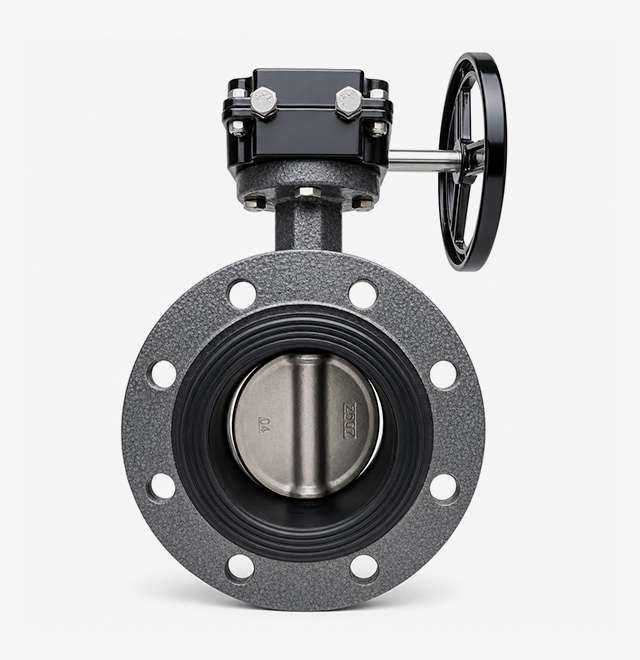
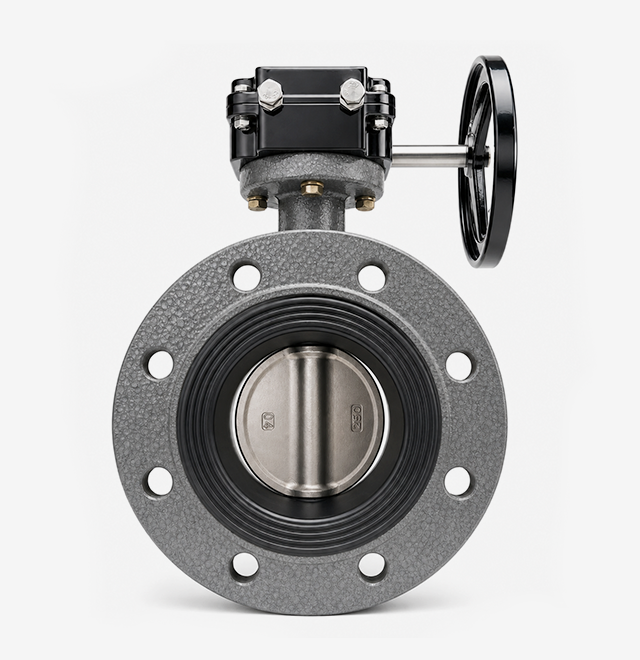
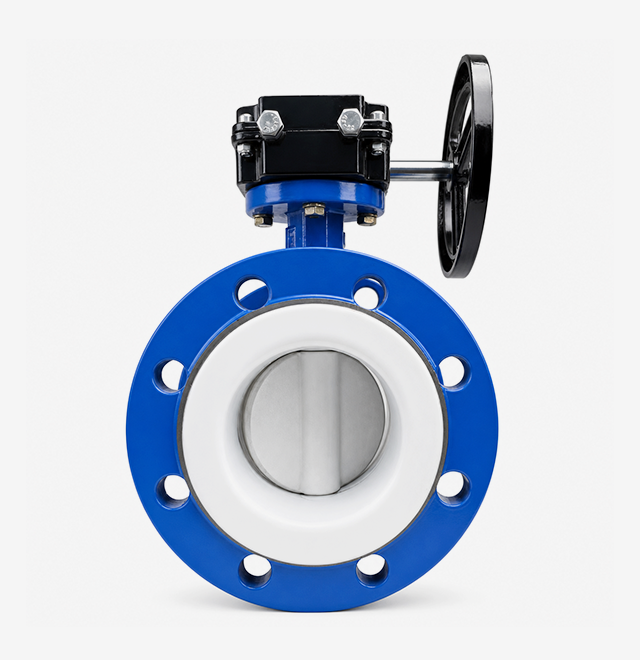
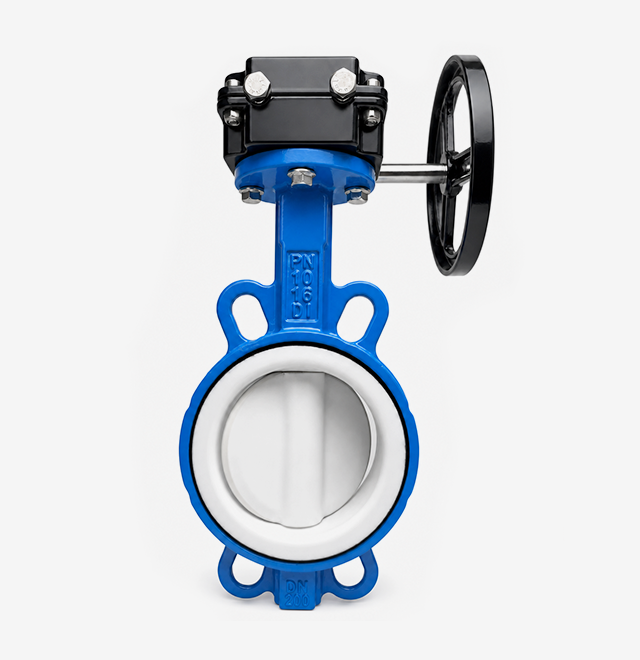
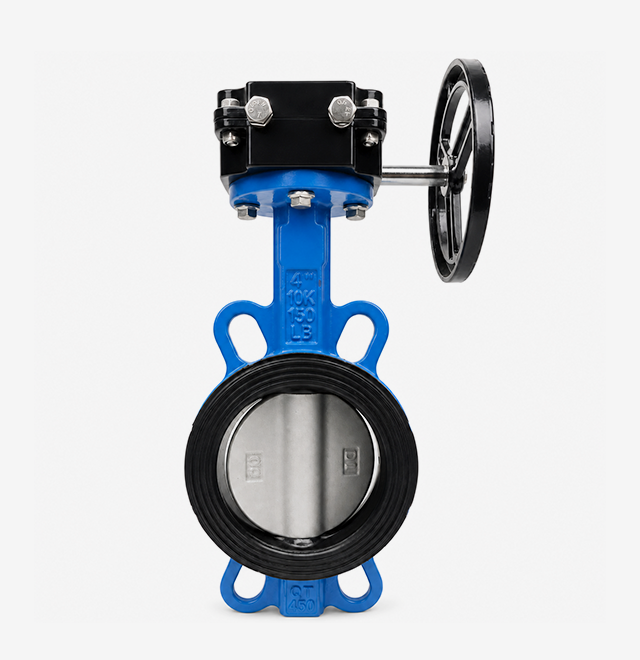
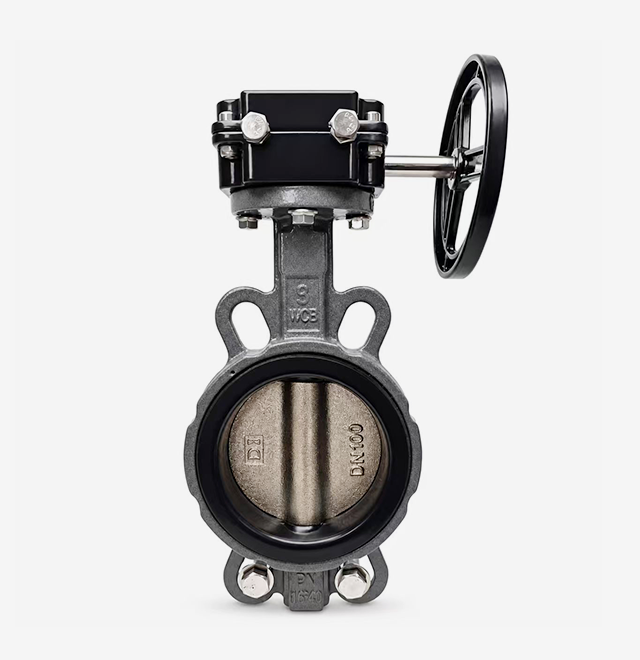
Choosing the right ductile iron double flanged butterfly valve for a water treatment or pumping station project is a decision that carries real financial and technical weight. A ductile iron double flanged butterfly valve features a spheroidal graphite iron body with two integral flanges, giving it mechanical strength, secure pipe alignment, and a sealed connection that wafer or lug types simply cannot match at large diameters. For EPC procurement teams working on DN300–DN1200 trunk lines, getting this choice right the first time protects project timelines and avoids costly rework.

Understanding Ductile Iron Double Flanged Butterfly Valves
What Sets Ductile Iron Apart
Ductile iron (grade QT450) has a tensile strength of up to 450 MPa and an expansion rate of 10–15%. This means that it can handle shock and water hammer without breaking into small pieces. Unlike gray cast iron, it doesn't crack when pressure rises. This is especially useful for large-diameter water mains, where stopping a leak requires digging, crane work, and days of downtime.
How the Valve Controls Flow
To open or close the flow path, the disk turns 90° on a central shaft. TZD offers shafts made of Q235, 2Cr13, SS304, and SS316, depending on the material. Large-diameter torque needs are met by types that use gears, and electric and pneumatic motors can be attached using ISO 5211 pads to make automation possible. With this range of motion, the same valve body can work with pipeline systems that are fully automatic, partially automated, or operated by hand.
Where These Valves Are Used
The most common type of isolation valve in water treatment plants, pumping station discharge lines, and regional water supply networks is a ductile iron double flanged butterfly valve. It can also be found in fire protection loops, HVAC systems that use cold water, and industrial pipes that move neutral liquids or air. The double flanged connection is especially useful when the structure needs to be very rigid because of pipeline vibration or dead-end service.
Comparing Double Flanged Butterfly Valves to Other Valve Types
Double Flanged vs. Wafer and Lug Types
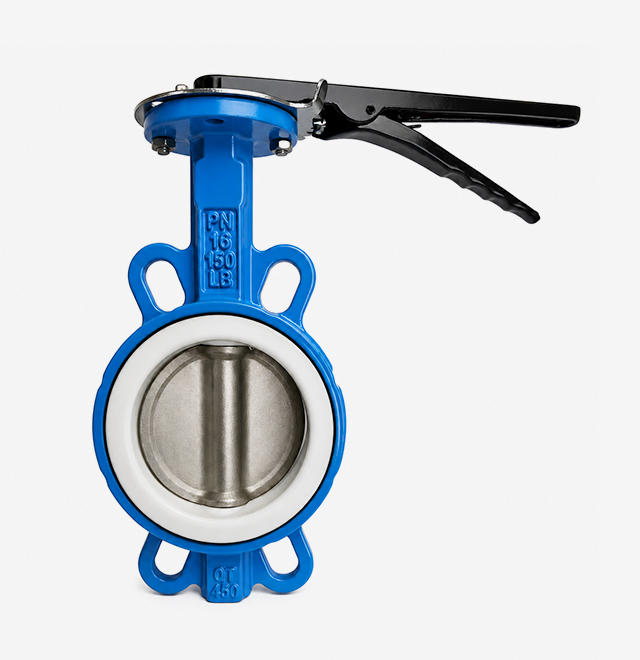
Wafer butterfly valves hold themselves in place with the help of the flange bolts that come with the pipeline. When the diameter is bigger than DN300, this makes it hard to line up the valve and limits its ability to handle axial loads. The double-flanged design lets it bolt to each pipe flange separately, so it can be used in dead-end service and high-pressure ratings (PN10/PN16), which aren't possible with wafer types.
Ductile Iron vs. Alternative Body Materials
Bodies made of carbon steel (WCB) can handle more heat and pressure, but they are heavier and cost more. Stainless steel (CF8/CF8M) can handle harsh media, but it costs a lot more. The price difference between ductile iron and stainless steel flanged butterfly valves is 50–70% less, which is important for 100-valve water plant projects because it means the valves will last longer and cost less.
Performance Indicators Worth Checking
Flow resistance (Cv) and operating torque are the first numbers that engineers look at. A double-flanged butterfly valve of the right size and DN600 in the open position has low flow resistance, which means the pump will use less energy over the system's lifetime. Gear operators on DN600–DN1200 valves need to provide enough mechanical advantage. Torque data should be checked for each size and pressure class before choosing actuators, and they shouldn't be taken from general lists.
How to Choose the Right Ductile Iron Double Flanged Butterfly Valve
Define Your Six Key Parameters First
Before asking for a quote, make sure you know six things: the size (DN50–DN1200), the pressure class (PN10 or PN16), the medium, the temperature (working range 0–152°C), the connection standard (EN 1092-2 or GB), and the number of items you want to order. Every choice about material and configuration is based on these six things. Sending them in advance cuts down on back and forth, shortens wait time, and stops the most common buying mistake: getting a valve on site that doesn't fit the flange pattern.
Match Seat and Disc Material to Your Medium
The worst mistakes happen when people choose the wrong seat. It is common for TZD to use the following mixtures of materials:
- EPDM seat — potable water, treated sewage, and neutral fluids up to the rated temperature range; incompatible with petroleum-based media.
- NBR seat — oil-containing water or mild hydrocarbon exposure; not suitable for strong oxidizing agents.
- PTFE seat — corrosive chemicals, sodium hypochlorite dosing lines, and applications where EPDM or NBR would swell or degrade; requires per-project concentration and temperature verification.
- Disc options — ductile iron disc for standard water service; CF8M (SS316) disc for corrosive or high-chloride service.
These pairs of materials can be used for most industry and water cleaning tasks. Before the order is made, any aggressive medium should be sent with the chemical name, concentration, and working temperature so that compatibility can be confirmed in writing.
Evaluate the Supplier's Documentation Package
In EPC projects, price and documents are both important. A good supplier should give you hydrostatic test reports for each valve, seat leakage test certificates, material mill certificates, and records of coating inspections. Food-grade or drinking water safety standards must be met by the cement lining inside of drinkable water lines. The flange drilling has to meet the design specification. TZD has both EN 1092-2 and GB standards, and making sure of this before production stops one of the most common problems that happens during site acceptance.
Procurement Strategies and Industry Best Practices
Sourcing Strategy for Large-Diameter Projects
When buying DN600–DN1200 ductile iron double flanged butterfly valve for a project, going straight to the plant cuts out one layer of middlemen and lets the purchasing team see the production schedule right away. There is no minimum order quantity (MOQ) for trial orders at TZD, and the company offers export wooden case packaging for out-of-gauge sea freight. Batch deliveries are also timed to match construction milestones. It is common to split a big package of valves into two or three delivery batches. This makes things easier on the job site and helps with cash flow.
Negotiating Terms and Managing Risk
A failure to shut after installation is the single most expensive risk in buying a large-diameter valve. Having per-valve pressure and seat leakage tests that meet BS EN 12266-1 or API 598 standards and test reports sent with the goods moves responsibility upstream and gives site supervisors a starting point for acceptance inspection. Payment terms based on production milestones, like a deposit, a payment for a pre-shipment inspection, and the balance against the bill of lading, are a practical way to make sure that suppliers are rewarded for good delivery performance.
Compliance and Certification Requirements
When procurement teams send documents for owner-engineer review, they need the whole package. It is required that you have ISO 9001 certification, type test reports, dimensional drawings that match the flange standard, and project reference lists. The Tianjin stretch of the South-to-North Water Diversion Project is part of TZD's project history. This is an example of infrastructure that meets the "major project" standard on most water authority prequalification forms.
Trusted Supplier Profile: TZD
The current factory, which opened in 2006 in Jinnan District, Tianjin, is where Tianjin Tangzheng Valve Co., Ltd. (TZD) has been making valves since 1998. The building is 2,000 square meters and has 60 production staff. It is conveniently close to Tianjin Port for shipping. TZD makes ductile iron double-flanged butterfly valves in PN10 and PN16 sizes, with body materials such as QT450, WCB, CF8, and CF8M. The valve shaft is made in-house, which gives TZD control over the shaft diameter tolerances, disc-to-shaft fit, and assembly torque. This directly lowers complaints from the field about disks that won't move or close properly. Quality control is certified by ISO 9001, and fire safety goods are approved by CCC. For standard sizes, the lead time is 7–15 business days. Items in stock ship the same day or the next day. We can take OEM and ODM orders based on drawings, samples, or approved project specs.
Conclusion
To choose the right ductile iron double flanged butterfly valve for a water infrastructure project, you need to make sure that the body material, seat compound, flange standard, actuation type, and paper standards are all right for the job. Any mistake at any of these places costs a lot after installation. The advice in this piece covers the most important choice points, such as material compatibility, torque and flow data, test documents for each valve, and seller qualification. Getting these right from the start saves both the project owner's trust in the procurement team and the plan.
FAQ
1.How do I size a ductile iron double flanged butterfly valve correctly?
First, check the diameter of the pipe and the pressure class. For DN600 and up, don't use generic tables; instead, ask for gear-operator torque data that is specific to your pressure rating. Before you order, make sure that the face-to-face dimensions match the ones in your flange standard (EN 1092-2 or GB).
2.What maintenance does a flanged butterfly valve need?
Every year, check the seat for damage or wear. Follow the manufacturer's instructions for how often to oil the gear user. If you use valves in sodium hypochlorite or another oxidizing service, check them every six months for crystallization around the shaft seal. Record the operating torque at each inspection; a rising trend means that the seat is wearing out or the shaft is corroding before it breaks.
3.Can TZD customize double flanged butterfly valves for special applications?
Yes, sketches, samples, or project specs can be used for OEM and ODM production. You can change the body material, the disk and seat material, the shaft grade, the flange drilling pattern, the coating type, how the actuator is mounted, and the markings. Send in your six important details (size, pressure, medium, temperature, connection standard, and quantity) for a written review of compatibility and quote.
4.How long does production take for large-diameter valves?
It usually takes 7–15 business days to make a custom item. Because casting and machining cycles change based on size, DN800–DN1200 valves and non-standard configurations should be checked one at a time. It is possible to schedule batch deliveries to fit in with building goals.
Get a Quote from TZD — Ductile Iron Double Flanged Butterfly Valve Manufacturer
TZD's Tianjin plant sells ductile iron double flanged butterfly valve in sizes DN50 to DN1200. Each valve comes with a test report, and the minimum order quantity (MOQ) is variable. Export packaging is also included. Please let us know within an hour of receiving your technical question, whether you need a document package for a single job or a deal for long-term supply. To get a quick quote, email your list of valves and service requirements to youweipan21@gmail.com or go to tangzhengvalves.com.

References
1. BSI Standards Publication. BS EN 593: Industrial Valves — Metallic Butterfly Valves. British Standards Institution, 2017.
2. American Water Works Association. AWWA C504: Rubber-Seated Butterfly Valves. AWWA, 2020.
3. International Organization for Standardization. ISO 5752: Metal Valves for Use in Flanged Pipe Systems — Face-to-Face and Centre-to-Face Dimensions. ISO, 1982.
4. European Committee for Standardization. EN 1092-2: Flanges and Their Joints — Circular Flanges for Pipes, Valves, Fittings and Accessories, PN Designated — Cast Iron Flanges. CEN, 1997.
5. International Organization for Standardization. ISO 9001: Quality Management Systems — Requirements. ISO, 2015.
6. BSI Standards Publication. BS EN 12266-1: Industrial Valves — Testing of Metallic Valves — Pressure Tests, Test Procedures and Acceptance Criteria. British Standards Institution, 2012.