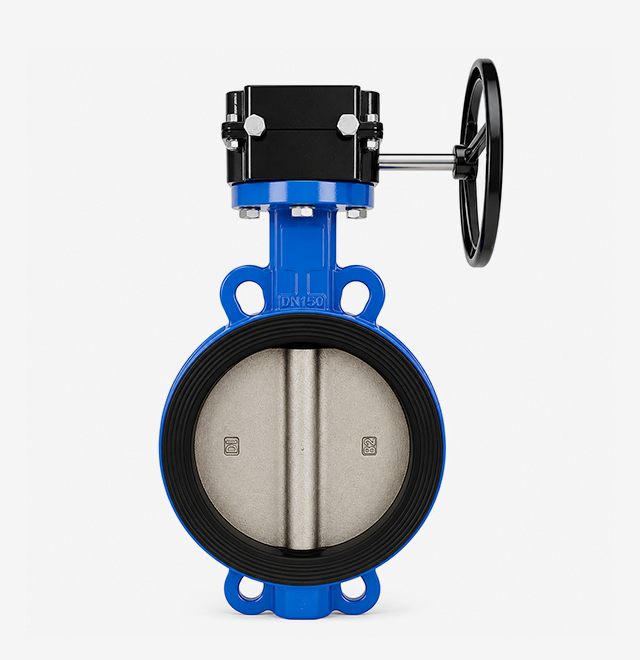
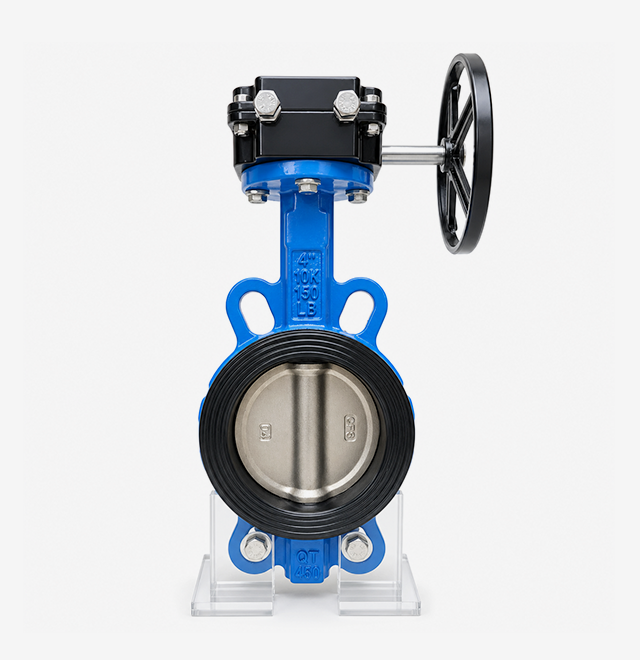
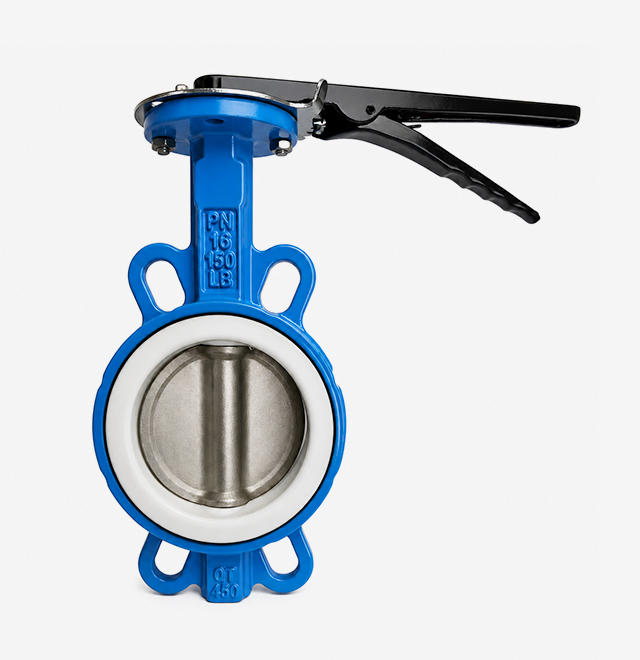
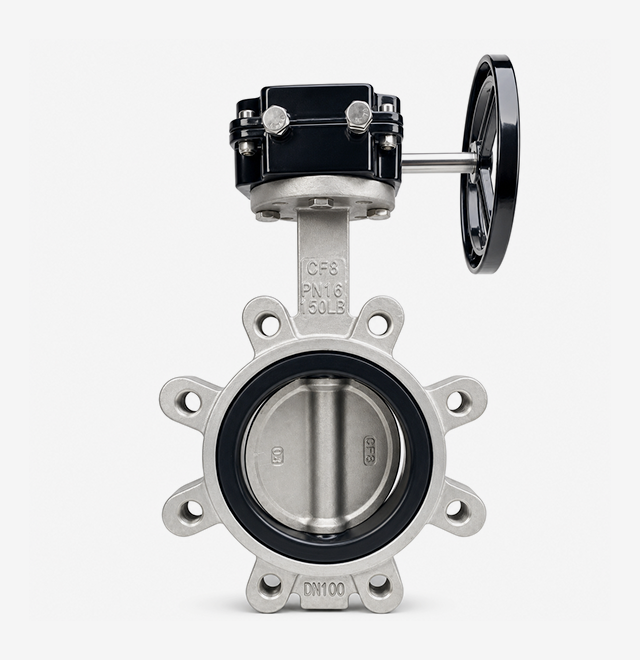
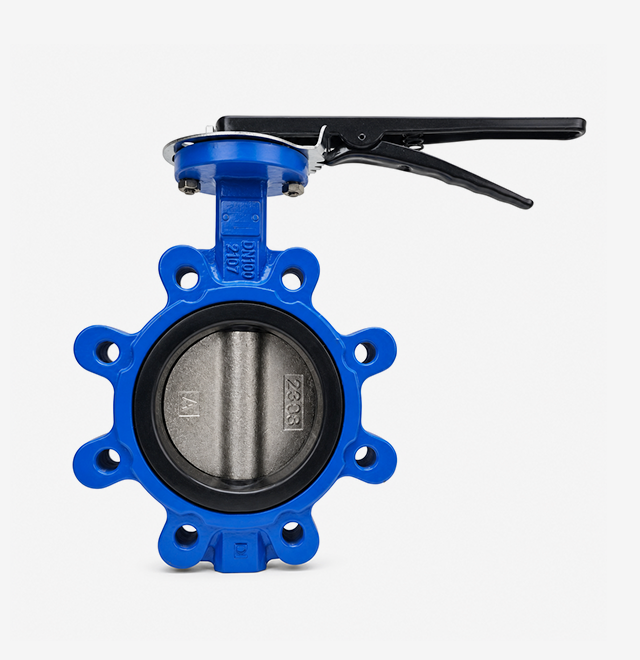
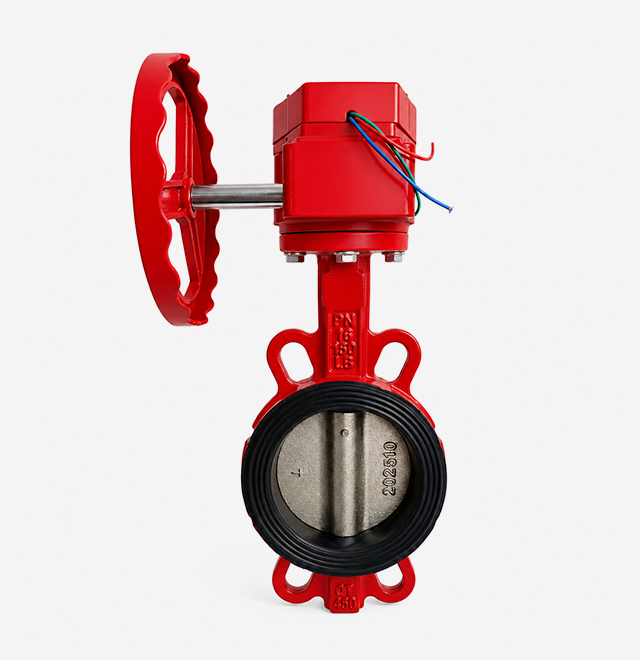
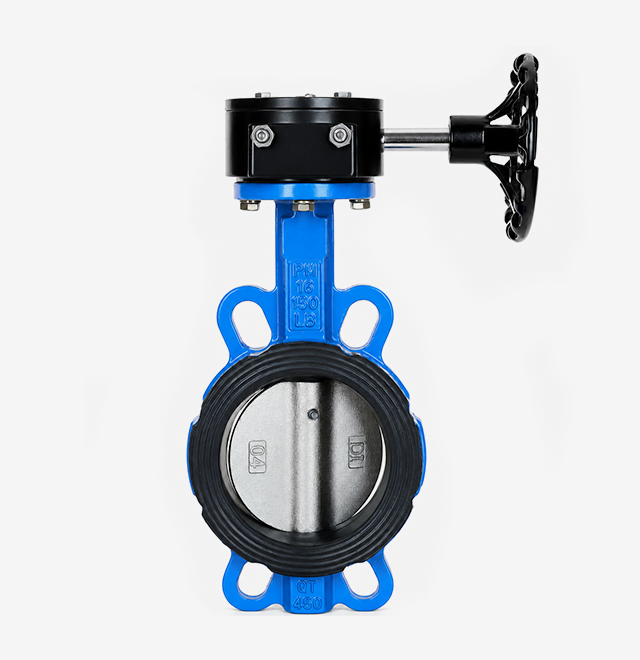
A full lug type butterfly valve is used for certain dead-end applications because each side bolts to its own flange. And the upstream bolts may hold the valve in place when you remove the downstream pipe, pump or strainer, so the remainder of the line can stay in operation. This may save downtime and ease sectional testing. But a dead-end rating isn’t automatic. For each model you must check the pressure, direction of flow, seat, size and bolt torque. I describe below how the design works, what to verify and how we at TZD help purchasers.
What Is a Full Lug Type Butterfly Valve and How Does It Support Dead-End Service?
Dead-End Service in Plain Terms
Dead-end service is when one end of the valve has no pipe connected, or the line stops in a blind flange. This occurs when you take out a downstream branch, swap out a pump, or put a cap on a header for a future expansion. It may also occur in sprinkler work when a team isolates a zone to repair or flow test it while adjacent zones remain charged. The valve must be able to retain pressure on one face and yet be fastened in place without assistance from the opposing flange. Not every butterfly valve is built for that load. That is where a complete lug type butterfly valve is generally the starting point. My assessment always starts with the questions: What is related to the open side? And what pressure may operate on it?
How the Full Lug Body Works
A full lug type butterfly valve has threaded holes around the body, matching the flange bolt pattern. You install one set of bolts from the upstream flange, and another set from the downstream flange. The disk rotates 90 degrees on the shaft and the robust seat seals against the edge of the disk. Our basic range is from DN50 to DN300 in PN10 and PN16 with handle, gear, electric or pneumatic operation. The bolt load is carried by the threaded lugs. In my opinion the material and thread grade of the lugs are needed elements in any datasheet.
Where Wafer Valves Fall Short?
A wafer valve is sandwiched between two flanges and lengthy through-bolts hold both sides together. If you remove one of the flanges, you lose that gripping force, therefore the valve might move or leak. A lug design gets around that by having each side supported by its own bolts. I suggest a full lug type butterfly valve when a crew must remove downstream equipment while the upstream side remains pressurized only when the valve's written end-of-line rating and the site's isolation procedure permit that condition. “Wafer valves still make sense for standard shut-off with both pipes in place. There are also semi-lug and double-flanged valves but the definitions and ratings vary by manufacturer so I compare pictures and datasheets, not names.
Advantages, Limits, and Design Comparisons
Advantages of a Full Lug Type Butterfly Valve for Maintenance and Testing
Here are the core advantages of a full lug type butterfly valve on real jobs:
- Independent mounting: Each flange carries its own bolt set, so you can remove downstream piping, a strainer, or a pump while the upstream side remains secured, subject to the valve's end-of-line rating and the site's isolation requirements. That can keep most of the system running and limit the outage to the single section that needs repair, which matters when crews work against a tight construction schedule.
- Compact quarter-turn operation: The disc needs only a 90-degree turn, and the body is shorter and lighter than a gate valve of the same size. Crews can handle it in tight mechanical rooms, and it accepts a lever, gear, electric, or pneumatic operator when remote control, speed, or space matter.
- Zone testing: With the valve closed and a blind flange on the open side, you can pressure-test or flush one zone without charging the whole system. Contractors use this during phased work, when new branches tie in while finished areas stay live. I recommend confirming the allowed test pressure for each size first.
These advantages can cut idle time, but only if the rating of the full lug type butterfly valve matches the duty and the installation is isolated and controlled correctly.
Limits to Check Before You Specify
Dead-end suitability depends on the model, size, seat, pressure direction, temperature, and applicable standard, so I never assume it. A good quality full lug type butterfly valve has to have a documented dead-end pressure for your specific DN. Resilient seats control temperature, may wear under abrasive flow. The open disk may also protrude into the neighboring pipe or equipment envelope and, thus, mating pipe, strainers or check valves must be adequately cleared. Heavy pipe load may need a double-flanged valve at large capacities. Also, API 598 is a test standard, not a product certificate. If requested we may test shell and closure performance to API 598. Test pressures, test media, hold periods and acceptance criteria must be given appropriately.
Full Lug vs. Wafer, Semi-Lug, and Double-Flanged Designs
Wafer valves are generally less expensive and lighter weight but the real comparison is based on size, material, rating and design. Semi-lug designs differ, so ask the producer how many holes are threaded and what end-of-line rating applies. Double-flanged valves provide a sturdier body and additional pipe support for big or heavy-duty applications, but are longer, heavier and cost more. In between these possibilities is a butterfly valve of the full lug kind. It allows independent bolting and simple removal of one side without the length and weight of a double flanged body. Is the design per a standard such as MSS SP-67? Select by duty, not by habit.
Pressure, Temperature, and Material Choices for a Full Lug Type Butterfly Valve
PN10 and PN16 Ratings
Our full lug type butterfly valve comes in PN10 and PN16 for DN50 to DN300. The designation of nominal pressure PN10 and PN16 corresponds to 10 bar and 16 bar at the reference temperature and in accordance with the appropriate rating system.They should not be taken as a universal pressure limit at all temperatures or for all materials. US crews frequently mate these valves to ANSI Class 150 flanges, although the drilling patterns are different from PN flanges in certain sizes, therefore indicate the flange standard in your order. Depending on size, seat, pressure direction and design, the dead-end pressure may be lower than the line rating. Ask for the documented number for your DN. Rated pressure also varies with temperature and that is why a pressure-temperature chart has a place in every submission.
Body, Disc, Shaft, and Seat Materials
For a full lug type butterfly valve, we offer ductile iron QT450, carbon steel WCB, and stainless steel CF8 or CF8M bodies, the cast equivalents commonly associated with SS304 and SS316. Disks available in ductile iron, stainless steel or aluminum bronze. We manufacture shafts in house from Q235, 2Cr13, 304 or 316. We are able to do positive material identification on stems and disks as needed by the project.
Get the seat early as that establishes the temperature and chemical restrictions. EPDM is used for general water and air and usually peaks out at 120 degrees C, depending upon grade and usage. Oils compatible with NBR suits. PTFE resists various chemicals . FKM for greater temperature and harsher media . See data sheet for limit of your seat, pressure and medium.
Threaded Lug Inserts and Repeated Removal
Thread life is important since these bolts are removed and refitted several times during testing and maintenance. The insert material and the thread grade determine whether the thread survives, while the bolt grade and the torque determine whether the connection stays reliable. Ask us to state the insert material, thread size, and maximum bolt torque on the datasheet for your full lug type butterfly valve. Use clean bolts of the grade indicated. Lubricate only if the manufacturer approves. Finish with a torque wrench. Stop at the indicated amount. Forcing a bolt through a thread is one of the quickest methods to strip it.
Applications for Fire Protection, Water Treatment, HVAC, and Industry
Fire Protection Zones and Test Sections
When a sprinkler contractor asks about a full lug type butterfly valve,the first ask about the duty. Indicating valves may be required by the authority having jurisdiction and the edition of NFPA 13 used for sprinkler water supply control valves to be listed or authorized. Make sure to check the project specification and listing rules before picking a system control valve. If the valve has the requisite end-of-line rating, the lug body allows one side to be removed and the other side to remain fastened for isolation on test sections and drain headers. Where required, our products of fire protection valves are provided with the corresponding certificates and accompanying paperwork. Request copies and verify on the originals the holder, model and scope. They are not a substitute for a municipal listing requirement.
Water Treatment and HVAC
In water treatment facilities, a full lug type butterfly valve enables personnel to isolate a pump or valve without emptying the whole basin or header, if the valve is rated for the function. HVAC professionals may shut down one side of a chilled-water or heating loop, remove a coil, chiller or pump and keep the remainder of the loop running. Our valves work with water, sewage, air and neutral liquids, and EPDM seats are used for many water loops. Match the operator to the job: handle for small lines, gear for bigger sizes and electric or pneumatic when you want remote control.
Industrial Pipelines and Shutdown Windows
In chemicals, power lines, metallurgies, lines frequently have short maintenance windows and small teams may require many sizes at once. A full lug type butterfly valve lets you open one section while the live side stays secured, subject to the written rating and safe isolation procedure. We maintain safety stock on some standard models.Products in stock ship the same day or next day, normal custom orders usually take between 7 and 15 business days, subject to confirmation. We are happy to accept trial orders and small quantities and keep our MOQ restrictions flexible. Match the body and seat to the medium and check the flange standard so the valve attaches to your current flanges.
Installation, Maintenance, and Buying Guide for the Full Lug Type Butterfly Valve
Installation and Bolt Torque
Before starting, check the faces of the body, disk, seat and flange. Install the full lug type butterfly valve with the disc slightly open so it clears the pipe bore while you center it. Tighten bolts in phases, in a cross pattern, to makers torque, inserting bolts from each side. Measure, don’t guess, when choosing bolt length from flange, gasket, lug thickness, needed thread engagement, washer arrangement and manufacturer’s instructions. In filthy or abrasive service we may propose a horizontal stem since it might minimize debris formation around the stem, but the manufacturer’s installation instructions are controlling. Support individual heavy actuator.
Actuation and Routine Maintenance
Size actuator for breakaway, running and seating torque, differential pressure, temperature and safety factor. AWWA Manual M49 provides a guide to quarter-turn valve torque, head loss, and cavitation study. ISO 5211 also standardizes the mounting interface for actuators , so confirm that the flange size and bolt pattern matches your electric or pneumatic unit . For maintenance, check regularly for leakage, travel, coating and tightness of the bolt. Lubricate the stem only if the manufacturer authorizes it. Look for corrosion between bolts and body in moist or salty areas. Repeated leaking indicates a worn seat and may need a replacement seat or valve.
RFQ Details and Working With TZD
Complete RFQ saves days. Before providing a quotation, we will validate the size, pressure, medium, temperature, connection standard and quantity. Add pressure direction, blind flange usage and drilling of flanges for dead-end operations. Datasheet, dimensions drawing, pressure-temperature chart, test record, leakage rate or approval criteria under ISO 5208, material of the lug insert.
Tianjin Tangzheng Valve Co., Ltd. (TZD) was formed in 2006, with a history of valve production from 1998. We have a 2000 square meter plant in the Jinnan district of Tianjin, with 60 personnel to handle machining, assembly, testing, storage and packaging. We have more than 50 valve models, support OEM and ODM orders from drawings or samples, and react within one hour during business hours. Quotation or contract is preceded by warranty conditions.
Conclusion
A full lug type butterfly valve can suit dead-end service because each flange has its own bolt set, so one side can come off while the other stays secured, but only when the exact valve is rated for that condition and the line is safely isolated. That supports pump swaps, zone tests, and phased construction in fire protection, water treatment, HVAC, and industrial piping. The benefit depends on checks: a written dead-end pressure for the exact DN, the right seat and temperature limit, matched flange drilling, and a known insert material, bolt grade, and torque. API 598 describes testing, not certification, and fire system control valves may need a listing. Compared with wafer, semi-lug, and double-flanged designs, the lug body gives a practical balance of compact size and independent support.
FAQ
1. Can a wafer valve handle dead-end service?
Not on its own. A wafer valve depends on clamped flanges on both sides. A full lug type butterfly valve bolts each side separately, but you should still confirm the dead-end rating for your size, seat, pressure direction, and temperature before use.
2. Which seat works for hot water?
EPDM serves general water and air up to about 120 degrees C, depending on grade and service. PTFE or FKM suits higher temperature or chemical duty in suitable applications. Confirm the limit for your seat, pressure, and medium on the datasheet.
3. Does API 598 mean the valve is certified?
No. API 598 is a test standard. Shell and closure tests must be performed at the pressures specified by API 598 and the applicable purchase specification. Do not describe every API 598 test as 1.5 times the rated pressure.
4. Can TZD customize the valve?
Yes. We adjust materials, dimensions, pressure ratings, connection types, actuation, coatings, markings, labels, and packaging from your drawings, samples, or project specifications.
5. Should the stem go vertical or horizontal?
Follow the manufacturer's installation instructions. A horizontal stem may be preferred for dirty or abrasive service, but the correct position depends on the valve design, medium, and project requirements.
Request a Full Lug Type Butterfly Valve Quote From TZD
Looking for a full lug type butterfly valve manufacturer that can match your project schedule? TZD makes DN50-DN300 valves in PN10 and PN16, with same-day or next-day dispatch on in-stock standard models and 7-15 business days on standard custom orders, subject to confirmation. Send your size, pressure, medium, temperature, and quantity to youweipan21@gmail.com. Our team replies within one hour during business hours.

References
1. American Petroleum Institute, API Standard 598: Valve Inspection and Testing, 2016
2. National Fire Protection Association, NFPA 13: Standard for the Installation of Sprinkler Systems, 2022
3. American Water Works Association, Manual M49: Butterfly Valves: Torque, Head Loss, and Cavitation Analysis, 2012
4. International Organization for Standardization, ISO 5211: Industrial Valves — Part-Turn Actuator Attachments, 2017
5. International Organization for Standardization, ISO 5208: Industrial Valves — Pressure Testing of Metallic Valves, 2015
6. Manufacturers Standardization Society, MSS SP-67: Butterfly Valves, 2017