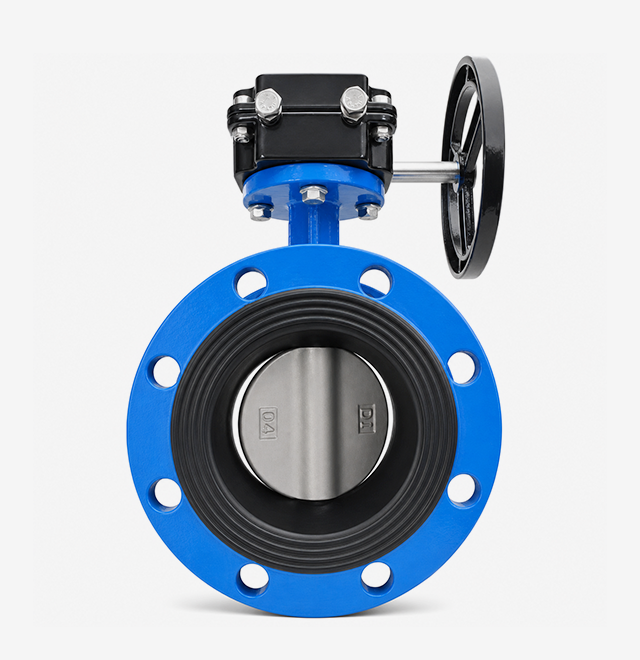
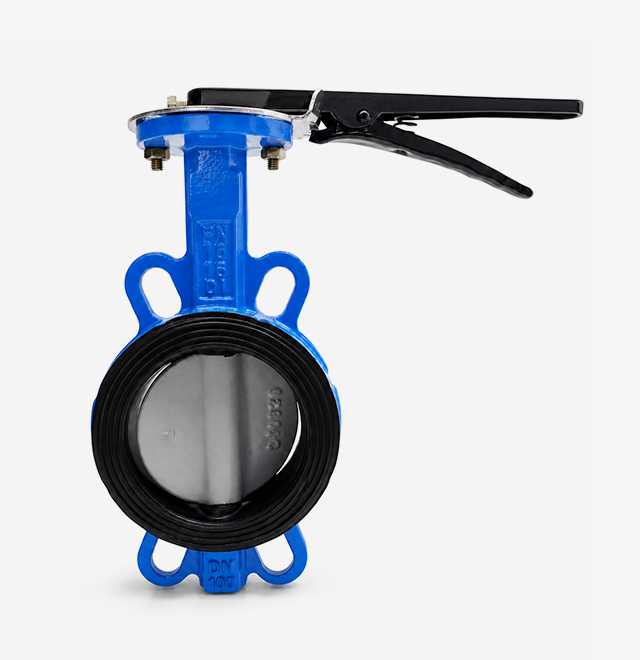
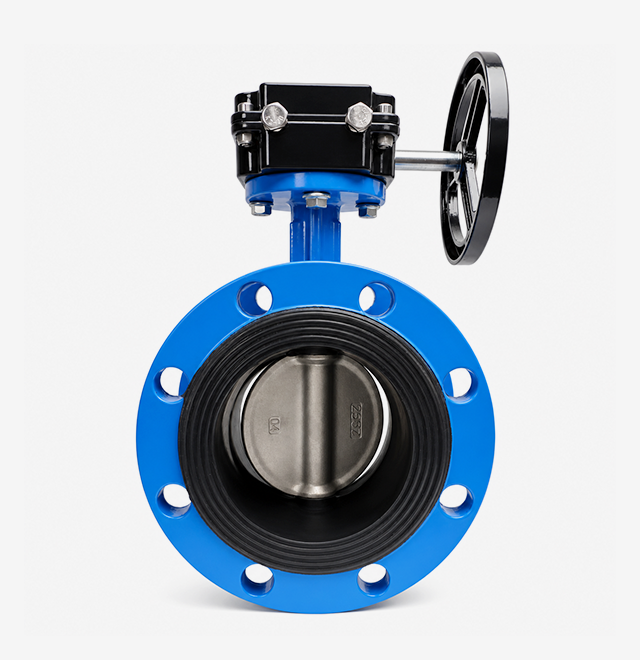
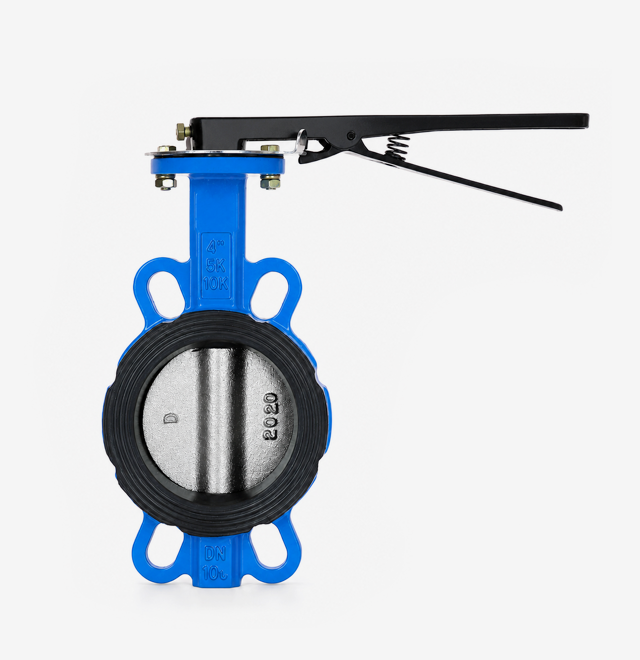
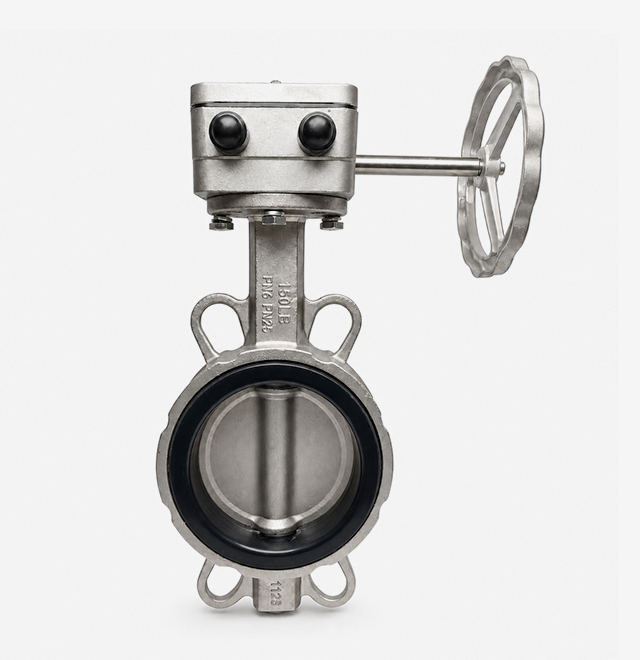
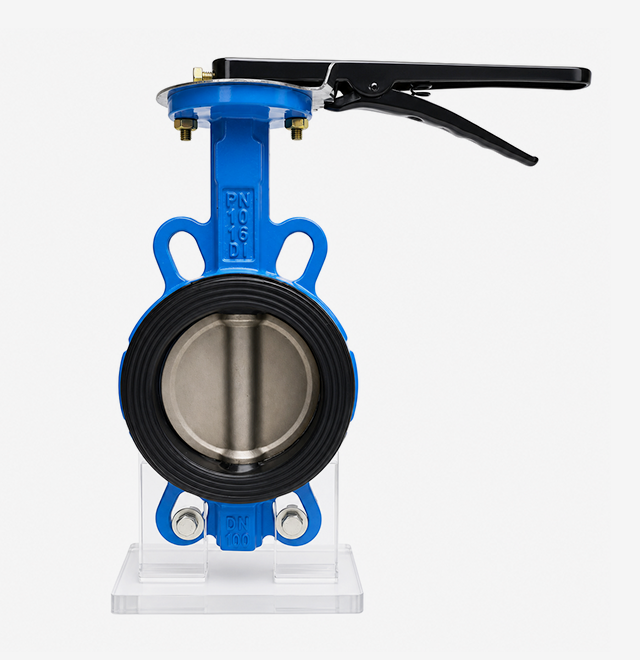
An EPDM seated wafer butterfly valve with an electric actuator typically works by turning a disc through a quarter turn inside the pipe. The actuator motor and gear train turn the stem . The stem moves the disk approximately 90 degrees between the open and closed positions. End positions are controlled by limit switches and torque protection for on/off actuators. The resilient EPDM seat in the closed position seals the disk against the seat and can handle water and other compatible media within the specified temperature and pressure limits. The wafer body sits between two flanges, so the assembly is usually compact and light. This guide explains the working principle and what to check before you buy.

EPDM Seated Wafer Butterfly Valve Construction and Working Principle
Core Parts and the Quarter-Turn Motion
This valve is described in 5 main parts working together. Body, Disk, Shaft, Seat, and Top Mounting Pad. The wafer body sits between two pipeline flanges and the whole assembly is held together by through-bolts. The disk is mounted in the middle of the bore on the shaft. When the disk is in line with the pipe, flow goes through. As the actuator turns the disk to about 90 degrees, the disk compresses the seat and stops the flow. Partial positions are available for throttling only when valve, actuator and duty are approved for service. Our stated EPDM seated wafer butterfly valve range is DN50 to DN800 in PN10 and PN16, subject to model selection and confirmation in the datasheet.
How the Electric Actuator Turns the Disc
An electric actuator generally incorporates a motor, gear train, limit switches, and torque protection. Many models incorporate a handwheel for manual override, although this feature must be validated for the chosen model and may not be appropriate for operation under differential pressure. The control system provides a signal, the motor starts, and the output shaft turns the valve stem. On an on/off actuator, the limit and torque switches control the end locations. Position feedback may be connected to a PLC, SCADA system, or building management system when the actuator has the appropriate feedback option. An electronic actuator on an EPDM seated wafer butterfly valve may suit remote or frequent operation. Handwheel type, control mode, feedback signal, enclosure rating, and cable entry vary by actuator model.
Torque Sizing and ISO 5211 Mounting
The actuator must create more torque than the valve requires. Valve torque grows with line pressure, flow velocity, seat friction, and lengthy idle periods, hence breakaway torque after a long rest is frequently the maximum value. On compatible models, our actuator mounting interfaces are designed to match the applicable ISO 5211 dimensions; confirm the interface, coupling, and bolt pattern in the product drawing before ordering. I size the actuator using validated breakaway, running, and seating torque data for the exact valve size, pressure, seat, temperature, and operating state, then add a suitable safety margin. Undersized torque is a typical cause actuators trip during commissioning. A project may start with manual or gear operation and thereafter add an electric actuator only when the valve stem, mounting interface, and torque requirements are suitable.
EPDM Seat Performance: Media Compatibility, Temperature, and Pressure
Where Does an EPDM seated wafer butterfly valve Work Well?
EPDM is usually resistant to ozone, weathering, UV and aging. This makes it a popular option for treated water, chilled water, cooling water, municipal water treatment, clean sewage and oil-free air when conditions allow for temperature and chemistry. “EPDM is generally not good for oils, fuels and hydrocarbons. If grease or oil is present in the sewage, NBR may be OK but the exact oil, content, temperature and working conditions must be examined. Neither material is universal for all chemical service. PTFE or FKM may be acceptable for certain chemical media. Always check the real medium and a material-compatibility chart before picking the seat.
Temperature Limits Must Match the Seat Compound
Spec sheets are notorious for getting the temperature incorrect. Standard EPDM compounds are often rated to roughly 120°C depending on the compound, pressure, medium and definition of continuous or peak duty. Although the 0-80°C project range may include typical duty for many municipal water and drainage applications, it is not a universal limit. Continuous & maximum temperatures should be specified in technical bid and seat-compound data or confirmation from manufacturer to be asked before accepting higher value. Please provide your maximum operating temperature and TZD will verify against chosen seat data before providing a quote.
Pressure Ratings and Seal Test Records
PN10 and PN16 ratings are available and the proper one relies on valve size, body and trim materials, temperature and the rating standard applicable.Test pressures, test media, holding periods and acceptance criteria must be in accordance with the appropriate edition of EN 12266-1, API 598 and the project or purchase specification and not be given as one universal 1.5 x PN shell test and 1.1 x PN seat test for every valve and every application.The approved inspection plan may give shell and seat test records for the delivered valves. Request the report that fits the specified batch or valve for bid packages.The leakage rate necessary should be specified according to the test standard used and not generally claimed as “bubble-tight.”
EPDM Seated Wafer Butterfly Valve Applications and Design Choices
Water Treatment, HVAC, Fire Protection, and Industrial Piping
Typical applications include municipal water supply, wastewater treatment, pump stations, filtration, HVAC chilled water and condenser water loops, cooling towers, irrigation lines and general plant plumbing. The small face-to-face length and low weight might be an advantage when space and handling cost are at stake. Electric actuators offer value when the valves need to be operated remotely, cycled often, interlocked with pumps, or reported in position to a central system. TZD may offer documented project references if applicable. I check those criteria before suggesting a configuration, since fire protection and potable water applications have different listing, approval and material requirements.
Wafer, Lug, and Flanged Designs Compared
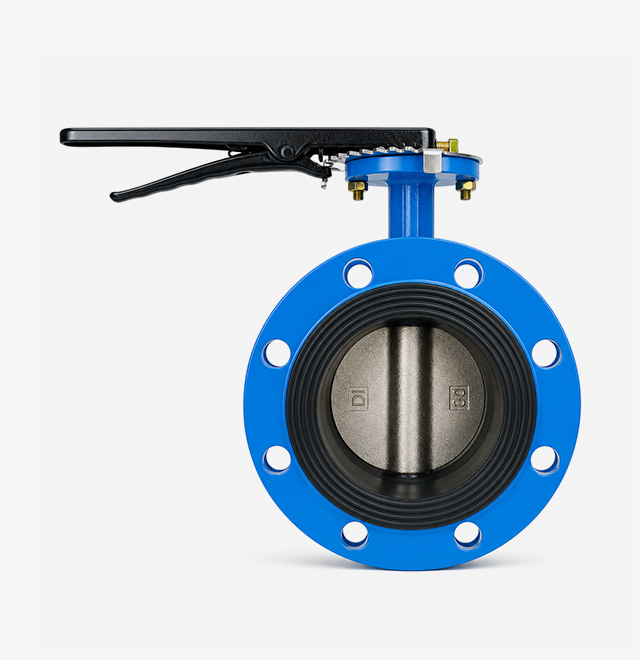
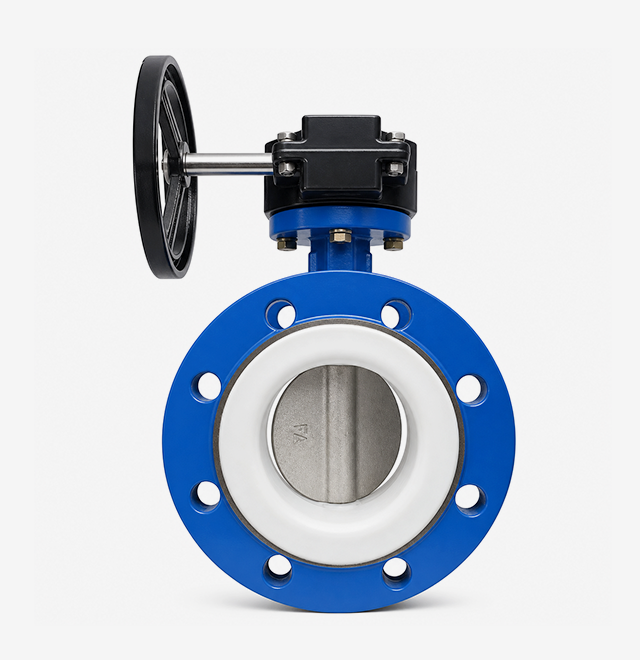
Wafer valves are often installed between two flanges and are usually small and cheap, however real cost and weight may vary with size, material, rating and design. The lug valve includes threaded lugs so you may bolt each side independently . It may have one-sided removal and end-of-line servicing if the manufacturer has a documented rating for such circumstance . A flanged valve has its own end flanges and may give extra support to bigger or heavy duty installations. A butterfly valve rotates a quarter turn compared to a gate valve. Butterfly valves are often lighter than gate valves and are simpler to automate. Gate valves typically have less pressure loss when completely open. A conventional wafer valve should normally not be utilized for dead-end duty unless the manufacturer expressly rates the valve for that circumstance.
Dimensions, Flanges, and Material Options
Match size, face-to-face length, flange drilling, bore, pressure rating and actuator interface before ordering. Our stated range is DN50 – DN800 at PN10/PN16, subject to model confirmation. US projects may utilize ASME B16.1 Class 125 or ASME B16.5 Class 150 flanges. So give me the correct flange standard and I will validate the drilling pattern before bidding. Body choices depending on model may be ductile iron, WCB, CF8 or CF8M. Disk alternatives may be ductile iron, stainless steel or aluminum bronze. Seats may be EPDM, NBR, PTFE or FKM. Material choice influences corrosion resistance, weight, price, and lead time, therefore I tailor it to the middle instead of the lowest price.
How to Choose and Buy an EPDM Seated Wafer Butterfly Valve with Electric Actuator?
Start With the Operating Profile
Collect medium, DN, pressure, temperature, flow rate, installation site, cycle frequency. Then choose the seat material, body and disk and whether the valve will isolate or modulate. Actuator voltage, frequency, control mode, enclosure rating, feedback signal, manual override and cable entrance. Most quotations include six items: size, pressure, medium, temperature, connection standard and quantity. When I check them with you before quoting, mistakes in selection, rework and late delivery vanish. With a full profile I can examine whether an EPDM seated wafer butterfly valve works for your task or if it is better handled by NBR, PTFE or FKM.
Documents US Water Projects Ask For
US drinking-water projects Components that touch the water may need to fulfill NSF/ANSI/CAN 61 or another project- and jurisdiction-specific criteria. Many utility specifications also refer to AWWA C504-23 for rubber-seated butterfly valves, however a reference to the standard is not in and of itself proof of compliance. Project owners may request records of pressure testing, material certifications, and potable-water compliance or certification for the valve and wetted materials. I'm not one for approvals you can't write down. Let me know what papers your bid package needs and TZD will clarify in writing what we can provide for the specified EPDM seated wafer butterfly valve and what the configuration cannot cover. Certificates are valid only within the scope, model, size, material and circumstances declared.
Supplier Checks and Batch Delivery
Forget about unit pricing. Review drawings, pressure test protocols, material certifications, inspection reports, traceability, packaging, warranty conditions and availability of replacement parts. TZD has been making valves since 1998. Current company is from 2006. Factory occupies 2000 square meters and 60 people in Tianjin. Please check these business data with current company profile. Standard stock models are available for same day/next day shipping and standard custom items are usually 7-15 business days pending confirmation. For bigger projects I plan shipments in batches to watch the development of your sites. OEM/ODM orders are able to be handled in terms of material, size, coating, branding and packaging. Spare parts may be provided based on the model you choose.
Installation, Commissioning, and Troubleshooting for an EPDM Seated Wafer Butterfly Valve
Installing the Valve Correctly
Pipe clean, flanges aligned, disk clearance checked and bolted. Adjust slightly open prior to tightening The disk must rotate freely and not contact the pipe bore. Tighten flange bolts uniformly in a cross pattern to the specified torque. If you overtighten it, the EPDM seat is pushed into the flow stream, and the valve becomes stiff. Do not add flange gaskets unless required by the valve manufacturer; on many robust seated wafer valves the seat itself provides the flange-face seal and an added gasket may interfere with seating or clearance. Do not pull or line up the valve with the actuator. These methods are quick and take care of most first concerns in the field concerning sticking or leaking.
Commissioning Checks for the Electric Actuator
Before commissioning the line check supply voltage, wiring, direction of rotation, location of limit switches, manual override, indicator of position, remote instructions, feedback and torque protection. Cycle the valve completely open and fully closed without flow, then cycle under pressure. Adjust the closed limit so the disk sits completely without crushing the seat. Write down the findings in a commissioning log, which will be helpful if a warranty or performance concern arises in the future. TZD provides remote video coaching during business hours, based on technical-support availability and attempts to answer technical inquiries within one business hour.
Troubleshooting Common Faults
The most common four problems are partial closure, actuator trips, flange leakage and internal leakage. Incomplete closure is sometimes caused by incorrect limit settings, debris or a defective seat. Actuator tripping are caused by under size torque, excessively tightened bolt or misalignment. Uneven bolt load is a common cause of flange leaks. Internal leaking is an indication of seat deterioration, debris or operating beyond rated parameters. First check for oil on sewage pipes, oil attacks EPDM. Sand also wears the seats quicker therefore I would suggest checking them at specified intervals. Ask TZD about authentic spare parts, so you can arrange maintenance ahead of a shutdown.
Conclusion
An EPDM seated wafer butterfly valve with an electric actuator regulates suitable water-service media via a quarter-turn rotation of a disk. The motor, limit and torque protection and optional feedback controls the actuator position and the EPDM seat seals against the disk within its prescribed limits. EPDM is generally suitable for water, clean sewage and oil-free air. NBR may be considered for specific oil-containing media upon compatibility testing. Temperature range, pressure rating, test pressures, leakage acceptance criteria and actuator torque must be supported by the appropriate datasheet, test standard and project specification. Different pipeline layouts need wafer, lug and flanged bodies. Flange standards, materials, approvals and potable-water documentation must be suitable for the project. Proper installation and commissioning will assist to avoid stiffness, tripping and leaking.
FAQ
1. Can I still operate the valve if power fails?
Many electric actuators include a manual override handwheel, but this is model-specific and may not be suitable for operation under differential pressure. I confirm this feature for each actuator model in the quotation.
2. Can this valve handle sewage that contains oil?
EPDM is generally unsuitable for oil-containing media because oils and grease can damage or swell the elastomer. NBR may be considered for selected oily sewage, but confirm the oil type, concentration, temperature, and compatibility before ordering.
3. How do I size the actuator?
Use verified torque data for your valve size, pressure, and seat, then add a safety margin. Breakaway torque after long idle periods deserves special attention.
4. What temperature should I specify for water service?
A 0–80°C range may cover normal municipal water and drainage duty, but it is a project-specific design range rather than a universal EPDM limit. Ask for seat-compound data before specifying anything higher.
Request a Quote for an EPDM Seated Wafer Butterfly Valve with Electric Actuator from TZD
Planning a water project? Send TZD your size, pressure, medium, temperature, flange standard, and quantity. As an EPDM seated wafer butterfly valve manufacturer offering OEM/ODM service, TZD can quote standard customized orders with a typical 7–15 business day lead time, subject to confirmation. We aim to respond within one business hour during business hours. Email youweipan21@gmail.com for details.

References
1. ANSI/AWWA C504 Rubber-Seated Butterfly Valves, American Water Works Association, 2023 edition
2. NSF/ANSI/CAN 61 Drinking Water System Components – Health Effects, NSF International, 2023
3. EN 12266-1 Industrial Valves – Testing of Metallic Valves – Part 1: Pressure Tests, European Committee for Standardization, 2012
4. ISO 5211 Industrial Valves - Part-Turn Actuator Attachments, International Organization for Standardization, 2026 edition
5. API Standard 598 Valve Inspection and Testing, American Petroleum Institute, 2016
6. Valve Handbook, McGraw-Hill, 2011