Selecting a lever-operated butterfly valve requires checking the size, pressure rating, body and disc materials, seat material, medium, concentration, temperature, connection standard, and order quantity. Confirm the specifications before requesting a quotation to reduce rework, sealing failures, and delivery delays. This guide helps procurement managers, OEM buyers, and maintenance engineers evaluate the valve from body construction and seat selection through supplier qualification.
Understanding Lever Operated Butterfly Valves: Basics and Working Principles
How the Quarter-Turn Mechanism Works
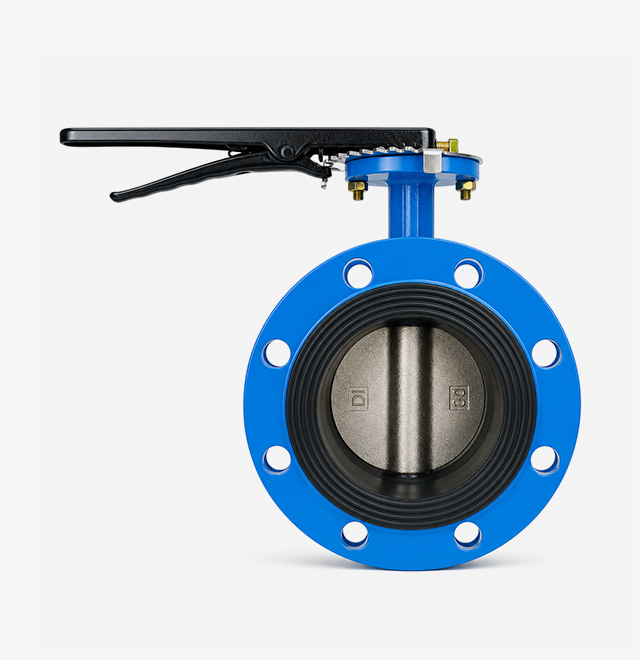
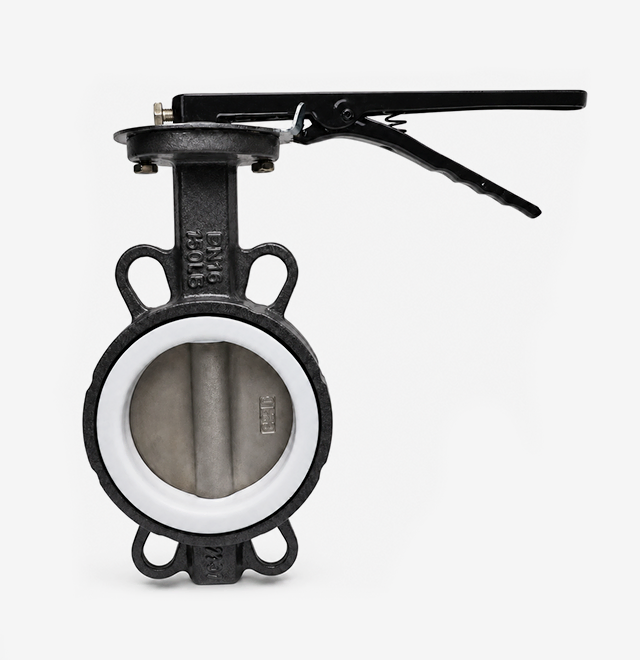
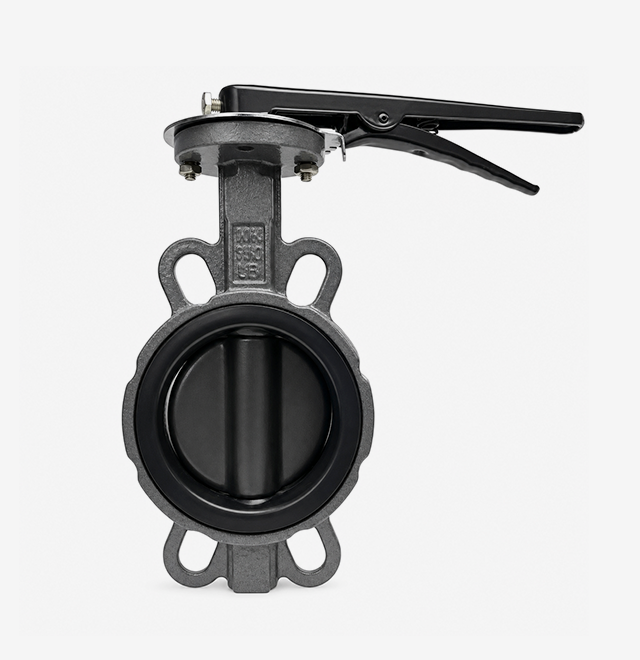
A lever-operated butterfly valve is a quarter-turn manual flow-control device. Turning the handle through 90° moves the disc from fully open to fully closed, allowing the operator to see the valve position at a glance. The disc rotates on a shaft through the body and seals against an elastomer seat. Compared with gate or globe valves of the same nominal size, the design is generally lighter and easier to install on small and medium-sized lines.
Common Body Designs: Wafer vs. Lug
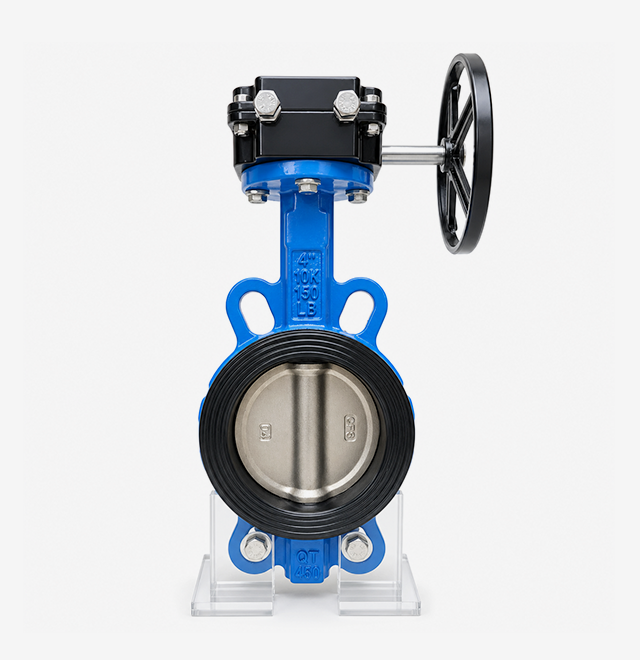
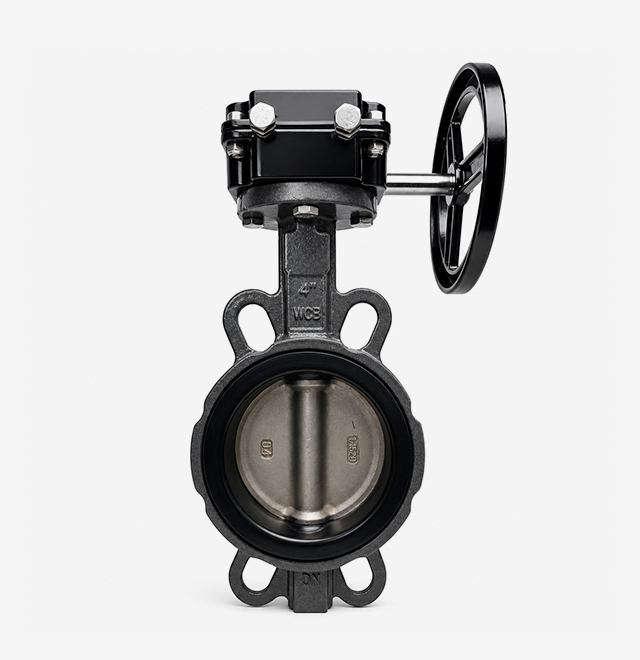
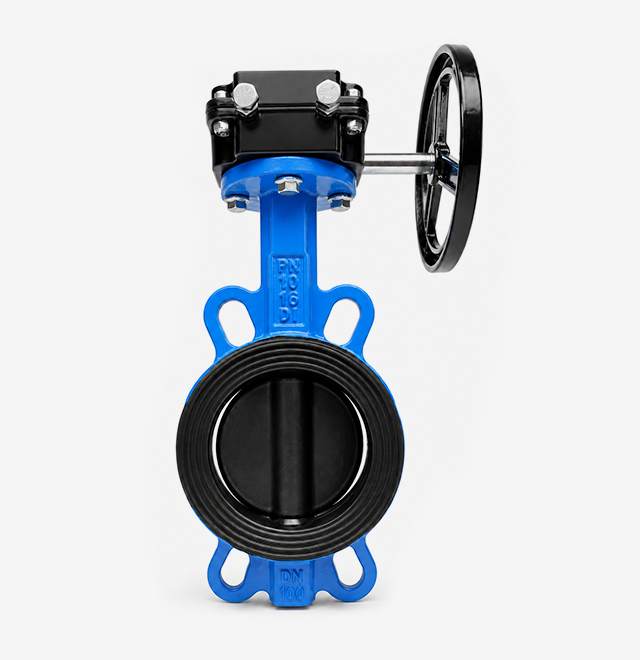
Wafer butterfly valves are clamped between two pipe flanges and are commonly selected when space and cost matter. Lug-type valves have threaded inserts and may be used for dead-end service within the manufacturer’s pressure rating. In water treatment, HVAC, and general industrial piping, wafer construction is commonly used in the DN50-DN300 range at PN10 or PN16 when the application is suitable.
Key Advantages That Drive Adoption
Lever-operated butterfly valves remain popular in industrial catalogues because they are compact, easy to operate, and cost-effective for smaller lines. They are stocked by wholesalers and OEMs for three main benefits:
- Low torque at smaller diameters: for DN50-DN200, manual operation is often practical, but the actual hand force depends on pressure, flow, seat friction, and valve design. Where a gearbox is not required, the manual option may reduce the unit cost.
- ISO 5211 mounting-pad compatibility: a standardised interface may allow the manual operator to be replaced by a gear operator or actuator without changing the valve body, provided that the mounting interface, stem, coupling, and torque requirements are compatible.
- Plate with notches and locking positions: many designs have a plate with notches and locking positions that holds the disc in place at different angles and stops it from moving due to vibrations. But holding a disc partially open for positioning is not the same as continuously throttling. If your system needs to control flow over a long period of time, make sure the valve is made for that.
For these reasons, lever-operated butterfly valves are practical for manual isolation of water supply lines, cooling circuits, fire-protection headers, and selected light-chemical service lines.
Key Criteria to Consider When Choosing a Lever Operated Butterfly Valve
Making the right choice the first time protects both the process and the budget. Before requesting a quotation, confirm the size, pressure rating, body and disc materials, seat material, medium and concentration, working temperature, connection standard, operation method, and order quantity.
Seat Material and Chemical Compatibility
Seats are often where field problems begin. EPDM is commonly used for water and HVAC service, subject to the temperature and medium conditions. NBR may be suitable for petroleum-based media and light oils. PTFE offers broad chemical resistance, but compatibility must still be checked against the specific chemical, concentration, temperature, and pressure. For steam service, confirm the seat compound, valve design, and continuous operating temperature with the manufacturer.
Body and Disc Material Selection
The body and disc materials must be compatible with the medium and corrosion conditions. QT450 ductile iron is commonly used for clean water and HVAC service. WCB carbon steel may be considered for suitable industrial applications, subject to pressure and corrosion requirements. CF8 and CF8M stainless steel can provide improved corrosion resistance, but the correct grade depends on the chemical, chloride level, temperature, and pressure. Aluminium-bronze discs may be considered for saltwater or brackish-water service when compatible with the valve design.
Shaft Quality and Assembly Consistency
Shaft performance is often noticed only after binding, uneven wear, or poor sealing appears. Important factors include the disc-to-shaft connection, surface finish, assembly force, and dimensional tolerances. For OEM programs, the supplier should be able to show how these dimensions and operating torque are controlled from batch to batch.
|
Situation
|
Lever operation
|
Consider instead
|
|
DN50–DN200, occasional manual isolation, moderate differential pressure
|
Generally suitable
|
—
|
|
DN350 and above, or a line running at or near PN16 with high flow
|
Torque exceeds comfortable manual effort
|
Worm gear operator or actuator
|
|
Valve position out of reach for an operator
|
Not suitable
|
Remote actuator with position indication
|
|
Sustained, accurate flow control required
|
Not designed for throttling duty
|
Dedicated control valve
|
|
Dead-end service or live-pressure maintenance
|
Depends on body style
|
Lug-type body
|
|
Strongly corrosive medium
|
Depends on seat and body material
|
PTFE seat, or a different valve type
|
Comparing Lever Operated Butterfly Valves with Alternative Solutions
A lever operated butterfly valve is not always the right tool. Knowing where it fits — and where it does not — saves time at specification review.
Lever vs. Gear-Operated Butterfly Valves
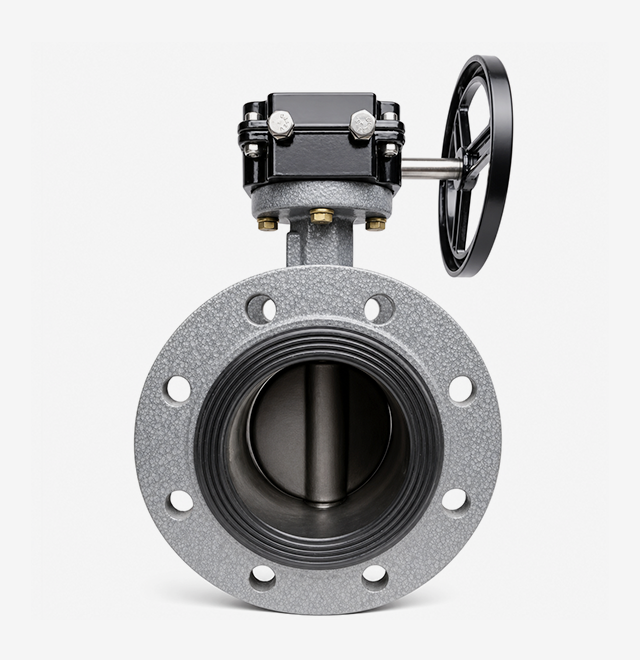
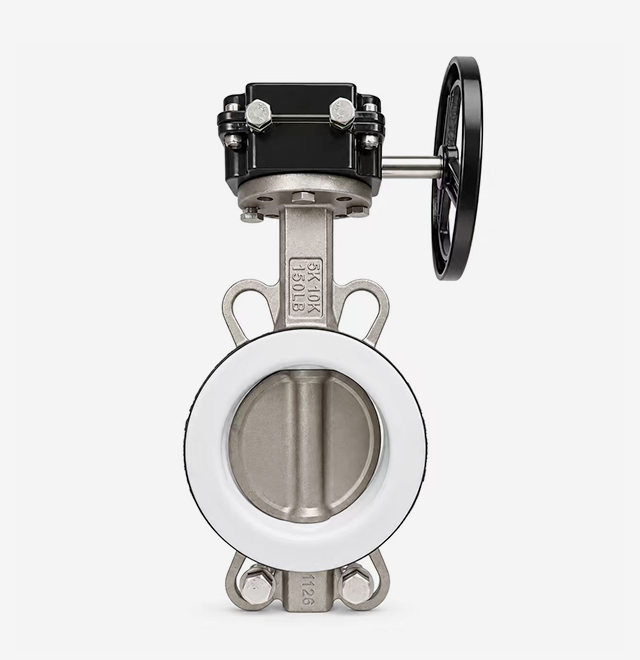
Lever operation is generally used on smaller valves, but the practical limit depends on operating torque and service conditions such as line pressure, flow velocity, seat friction, and the hand force available at the job site. DN350 and larger valves often require a worm gear operator or actuator, subject to the actual torque calculation. If the stem, coupling, mounting interface, and torque all match, the same valve body may be retained when the operator is changed.
Lever Butterfly Valves vs. Ball Valves
Ball valves can generally handle higher pressure and provide tight shutoff, but they may cost more and weigh more than butterfly valves of the same nominal size. A lever-operated butterfly valve may be a suitable lower-cost option for certain cold-water, compressed-air, sewage, and fire-protection isolation duties, subject to the required pressure and leakage class. The difference in size and weight becomes more noticeable at DN100 and above.
Wafer vs. Lug Construction for Your Application
A wafer body is clamped between two pipe flanges, so both flanges must be present and correctly aligned during installation. Lug bodies have threaded inserts and may hold pressure on the downstream side within the manufacturer’s dead-end rating. If the line must be isolated for maintenance or replacement, lug construction may be worth the additional cost.
Practical Guidelines for Procurement and Installation
If you buy directly from a manufacturer rather than a wholesaler, the unit price may differ. Compare like-for-like quotations based on size, material, order quantity, and customisation. Regional brand owners and OEM buyers often work directly with manufacturers when they purchase at volume.
Evaluating Supplier Qualification
An ISO 9001-certified supplier should be evaluated separately from its product test records. Ask for batch pressure and sealing test reports, material records, and inspection documents. Third-party inspection by SGS, BV, or a similar organisation may provide additional assurance for OEM buyers. Before signing an annual agreement, consider an in-person or video factory audit.
OEM and Private-Label Requirements
OEM programs commonly require non-disclosure agreements covering designs, mould files, and customer information, together with clear regional or channel rules to reduce channel conflicts. They may also require custom packaging, manuals, private-label markings, and a defined trial-order quantity. Before sampling, confirm that the supplier can produce all required sizes and seat materials.
Installation and Maintenance Best Practices
Where permitted by the manufacturer, install the valve with the shaft in the recommended orientation so that disc weight does not place unnecessary load on the seat. Align the flange faces before bolting. Cycle the valve according to the manufacturer’s installation instructions, and check the operating torque and seat condition during scheduled maintenance. If operating effort rises above the specified value, inspect the seat, shaft, and alignment before returning the valve to service.
Case Studies and Industry Insights
Municipal drinking-water systems may use DN100-DN200 wafer butterfly valves with EPDM seats for filter headers. EPDM is often preferred to NBR for potable-water service, but the actual compound should be confirmed against the applicable drinking-water approval and the water chemistry. Any claim about long-term torque stability should be supported by maintenance records or test data.
Quality Standards and Certification Benchmarks
ISO 9001 certification is one supplier-qualification factor, but it does not by itself prove product performance. Request the relevant pressure, leakage, material, and fire-service documents for the application. When exporting, confirm whether the project requires EN 593, API 609, or another product standard.
Forward-Looking Trends in Manual Valve Procurement
Many projects specify an ISO 5211-compatible actuator interface. A lever-operated valve may later accept an electric or pneumatic actuator if the mounting interface, stem, coupling, and torque requirements are compatible. This can support staged automation and may reduce life-cycle cost.
Conclusion
Choosing the right lever-operated butterfly valve means matching the size, pressure rating, medium and concentration, temperature, connection standard, body and disc materials, seat material, operating method, and quantity before ordering. Seat material affects sealing reliability, shaft quality affects operating-torque consistency, and supplier qualification protects an OEM brand across production batches.
FAQ
1. What is the maximum pipe size for lever operation?
Smaller valves are commonly operated by lever. The practical limit depends on operating torque and service conditions rather than diameter alone. Instead of using DN300 as a universal rule, confirm the manufacturer’s torque data. DN350 and larger valves often require a worm gear operator or actuator, subject to the actual duty.
2. How do I select the correct seat material for chemical service?
Provide the chemical name, concentration, operating temperature, and pressure. PTFE may offer broad chemical resistance, while EPDM and NBR are suitable for different media. Confirm the seat, disc, shaft, and body as a complete material system rather than checking the seat alone.
3. Can a lever assembly be upgraded to an actuator later?
A lever assembly may usually be upgraded when the valve body has an ISO 5211 mounting pad and the mounting interface, stem, coupling, and torque requirements are compatible. The handle and notched plate can then be removed and the actuator installed without changing the pipework.
4. What does batch-to-batch consistency mean for OEM buyers?
Batch-to-batch consistency means that the supplier controls operating torque, sealing force, and disc movement within the agreed specifications. This consistency is important for private-label brands whose reputation depends on predictable product behaviour throughout a distribution channel.
5. What packaging is available for export orders?
Standard export packing uses a wooden box with foam or plastic lining. OEM packaging may include a colour box, bilingual manual, private-label stickers, and laser marking.
Get a Quote for Your Lever Operated Butterfly Valve — Contact TZD Today
manufactures wafer-type lever-operated butterfly valve units
References
1. International Organization for Standardization. ISO 5211:2026: Industrial valves — Part-turn actuator attachments. ISO, 2026.
2. American Petroleum Institute. API Std 609: Butterfly Valves — Double-flanged, Lug- and Wafer-type, and Butt-welding Ends, 10th ed. API, 2026.
3. European Committee for Standardization. EN 593:2017: Industrial valves — Metallic butterfly valves for general purposes. CEN, 2017.
4. International Organization for Standardization. ISO 5208:2015: Industrial valves — Pressure testing of metallic valves. ISO, 2015.
5. European Committee for Standardization. EN 558:2022: Industrial valves — Face-to-face and centre-to-face dimensions of metal valves for use in flanged pipe systems — PN and Class designated valves. CEN, 2022.
6. International Organization for Standardization. ISO 9001:2015: Quality management systems — Requirements. ISO, 2015.