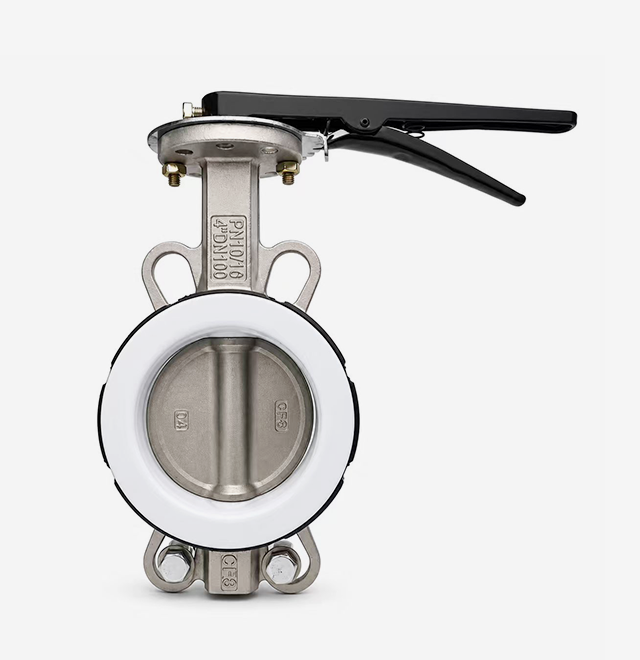
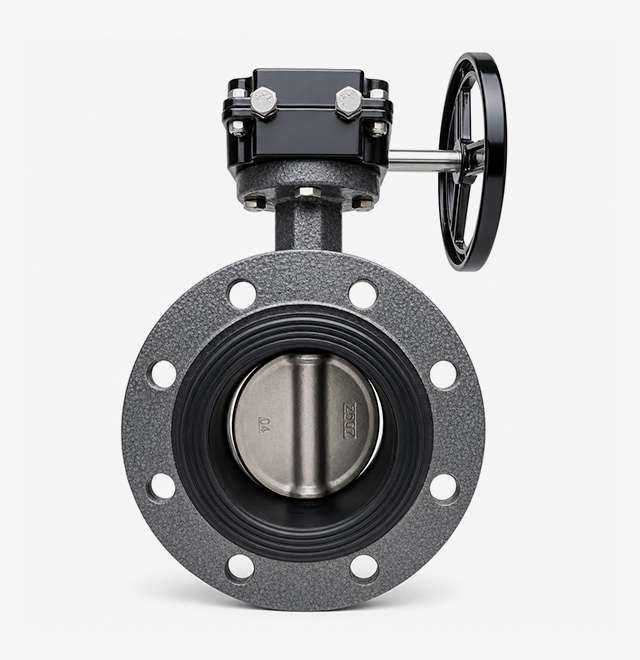
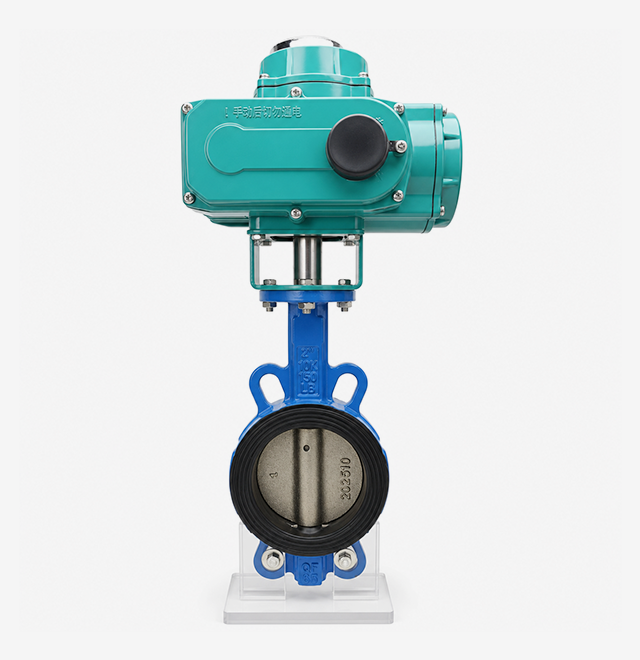
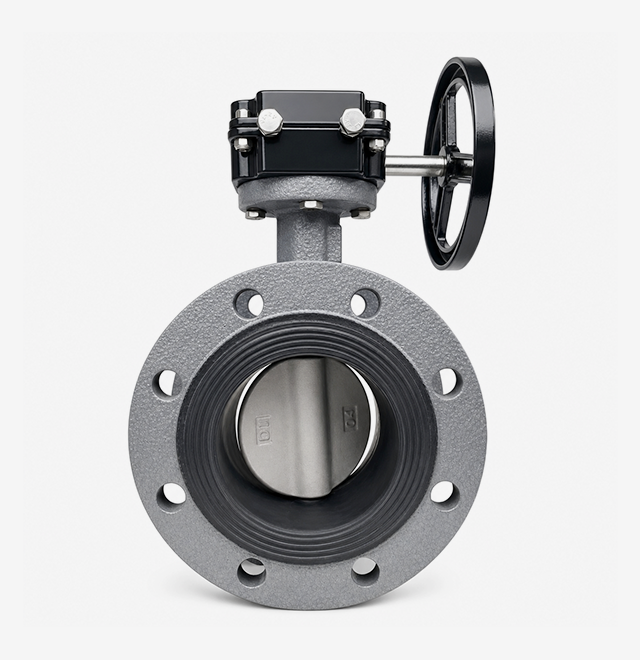
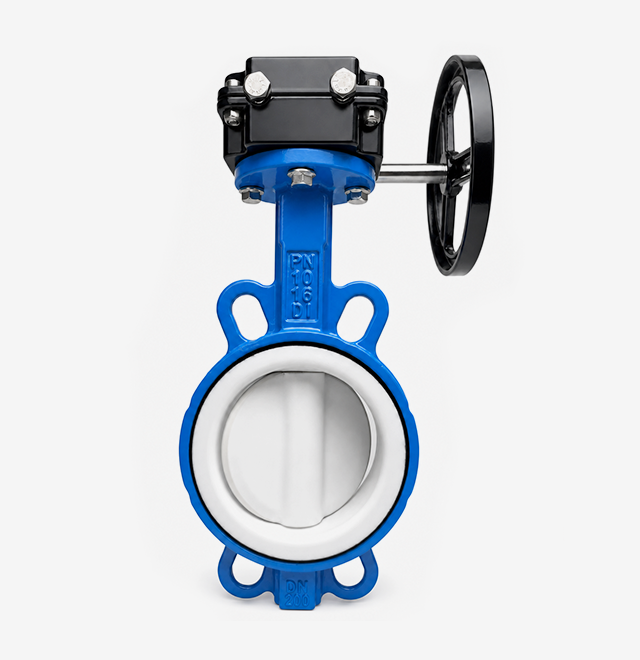
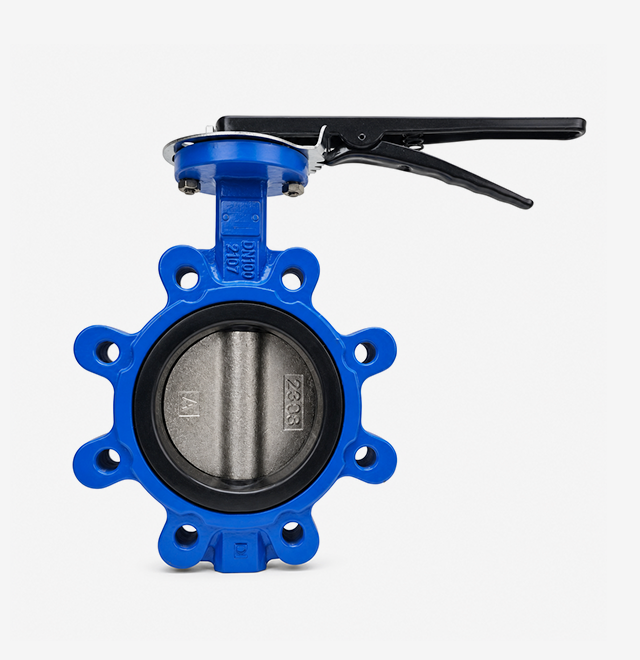
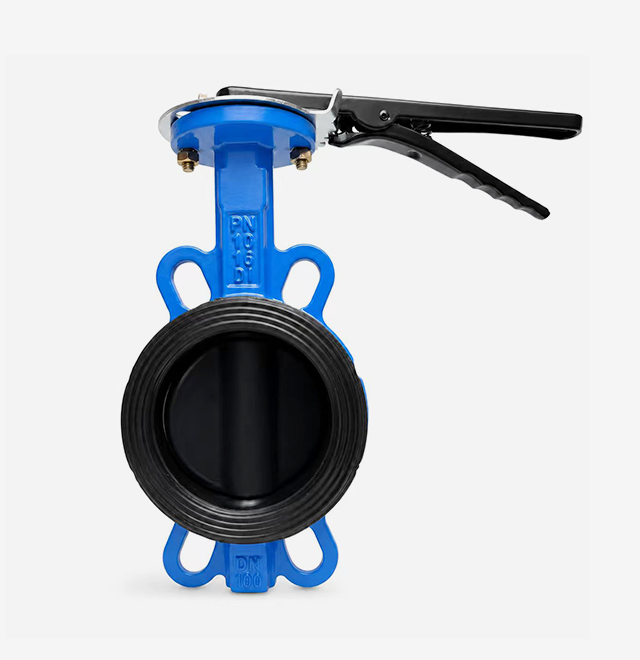
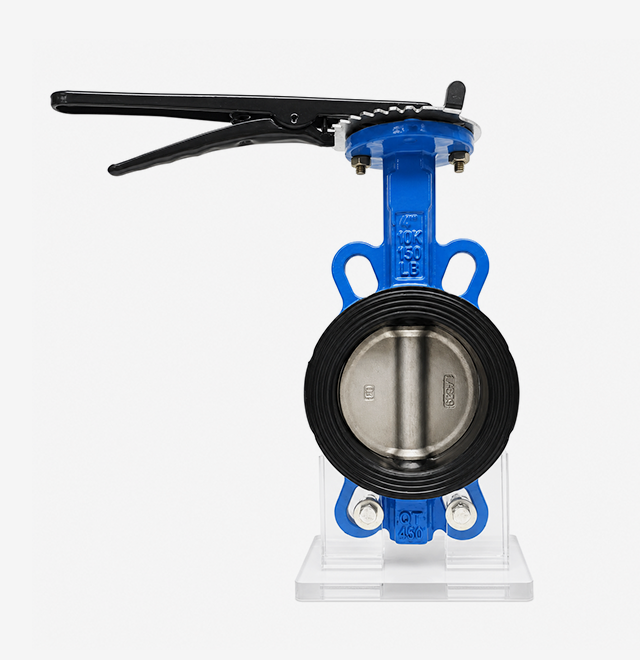
A ductile iron double-flanged butterfly valve is a heavy-duty flow-control device with a spheroidal-graphite iron body and integral flanges at both ends. It is bolted to the pipe flanges on both sides and can provide stable alignment for large-bore water lines when the valve is correctly sized, installed, and matched to the pressure class. Typical applications include water-treatment plants, pumping stations, and municipal supply networks.
Understanding Ductile Iron Double Flanged Butterfly Valves
Construction and Material Strength
QT450 ductile iron is commonly used for the body of a flanged butterfly valve. The material grade is typically specified by its tensile strength and elongation under the applicable material standard. Its spheroidal-graphite structure generally gives it higher impact resistance and lower brittleness than grey cast iron, which is important for large-diameter water mains.
Size Range and Pressure Ratings
TZD makes ductile iron double-flanged butterfly valves from DN50 to DN1200 at PN10 or PN16. Face-to-face dimensions may follow the EN 558 series, and flange drilling should be confirmed against the project’s specified EN 1092-2 or GB/T standard. On EPC projects, confirm the required flange system before production.
Seat and Disc Material Options
Seat options may include EPDM, NBR, and PTFE. Disc options may include ductile iron, CF8 (SS304), and CF8M (SS316). Shaft checks should cover diameter and dimensional tolerances, surface finish, shaft-end configuration, disc-to-shaft connection, and assembly torque. The purpose is to reduce binding, uneven wear, and poor sealing after installation.
Comparing Butterfly Valve Options for Water Systems
Double Flanged vs. Wafer Type
A wafer butterfly valve is held between two flanges by through-bolts and relies on the pipe flanges to stay in place. A ductile iron double flanged butterfly valve carries its own flanges, so it can be bolted up independently and can be used in dead-end service — subject to the manufacturer's dead-end pressure rating and the installation instructions for the specific model. For DN600–DN1200 main lines in pumping stations, the flanged design reduces the risk of misalignment during large-bore installation.
Ductile Iron vs. Stainless Steel Bodies
provides corrosion protection at a lower cost
Soft Seated vs. Metal Seated Designs
A soft-seated ductile iron double-flanged butterfly valve with an EPDM or NBR seat may achieve tight shutoff when it is designed and tested to the applicable product and testing requirements. Where the specified test method allows it, this may correspond to no visibly detectable leakage under the relevant tightness rate. Soft seats are commonly used for water and sewage service. For sodium hypochlorite or other oxidising media, seat selection depends on concentration, temperature, and exposure time; PTFE may be preferred in some cases but is not automatically correct for every duty. Metal-seated designs may be considered for abrasive slurry or higher-temperature service when the valve design supports it.
|
Application
|
Double flanged design
|
What to confirm
|
|
DN600–DN1200 trunk mains in pumping stations
|
Preferred
|
Verified operating torque tables for gear/actuator sizing
|
|
Dead-end service, downstream pipe removed
|
Possible
|
The manufacturer's dead-end pressure rating and installation instructions
|
|
DN50–DN200 line where cost and space dominate
|
Consider wafer or lug instead
|
Whether the pipe flanges can support a wafer body
|
|
Drinking-water contact
|
Requires a certified lining
|
Potable-water compliance documents for the coating actually applied
|
|
Oxidising or chemically aggressive medium
|
Seat must be re-assessed
|
Chemical name, concentration, temperature, and exposure conditions
|
Selecting the Right Valve for Your Water System — Procurement Insights
The following parameters should be settled before a purchase order is released: size (DN), pressure rating, medium and concentration, operating temperature, body and disc material, seat material, connection standard, operation method, and quantity. Most design errors and delivery delays on EPC water projects can be reduced by confirming these items early.
- Torque data for large-bore gear operation: DN600–DN1200 gear-operated valves need verified operating torque tables. Actuator sizing depends on those figures, and an undersized actuator on a 1,200 mm trunk line is an expensive field problem.
- Each valve should be supplied with shell and seat-leakage test records in accordance with the specified product and testing standards. Test pressures, acceptance criteria, and the required document format should be confirmed in the project specification and quotation rather than assumed from a single pressure multiplier.
- Confirmation of flange standard: ask during the inquiry stage whether the project calls for EN 1092-2 or GB flanges, not when the goods are delivered. Both are available, but it costs a lot to re-drill flange patterns on-site.
- Internal coating for potable water: lines that carry drinking water need to have a non-toxic coating that can handle contact with potable water. Choose a certified coating system and ask the supplier to show you proof that it meets the requirements for potable water. The thickness of the coating alone is not proof of compliance.
- Delivery times vary by batch; for special valves, the wait time is usually between 7 and 15 business days. Before you set your project milestones for the DN900 and DN1200 units, make sure you know when each batch will be made and shipped.
These points determine whether a valve package passes the owner's inspection the first time or has to be re-procured. Procurement teams that verify the document chain before ordering tend to have a smoother site acceptance.
Maintenance and Longevity of Ductile Iron Double Flanged Butterfly Valves
Routine Inspection and Lubrication
Check the condition of the gearbox grease annually in outdoor pumping stations. If the grease has dried out, re-grease the gearbox with a water-resistant grease that is compatible with the gearbox and shaft-seal materials. Follow the gearbox manufacturer’s maintenance instructions.
Identifying and Resolving Seat Leakage
If a seat-leakage test indicates bypass flow, verify that the disc and seat are making even contact before concluding that the seat needs to be replaced. A partially closed actuator stop can be a root cause. Adjust the mechanical stop according to the manufacturer’s instructions and retest before examining the seat for damage.
Coating Inspection for Long-Term Corrosion Protection
The internal FBE coating should be visually examined whenever the line is dewatered or the valve is accessible for inspection. Small coating defects may be repairable if the coating manufacturer and project specification permit on-site repair. For potable-water service, use only the approved coating system and follow the required repair procedure. Warranty coverage for material and manufacturing defects should be stated separately in the quotation or contract.
Real-World Applications and Case Studies
Municipal Water Treatment Plants
These are standard document and delivery requirements for EPC contractors working on water-plant projects across Southeast Asia.
Pumping Station Trunk Lines
Double-flanged butterfly valves in DN800 and DN1000 sizes are commonly used for isolation on main discharge headers in pumping stations. Used together with a suitable check valve, they may help reduce reverse-flow risk after a pump trip, but the actual transient response depends on the complete pump and piping system rather than on the valves alone. A single technical review can simplify coordination when both valve types are purchased for the same package.
Industrial and HVAC Systems
In addition to water treatment, ductile iron double-flanged butterfly valves may be used in fire-protection headers, HVAC chilled-water loops, and industrial cooling circuits. The suitable size, pressure rating, coating, and seat material still need to be confirmed for each application.
Conclusion
A ductile iron double flanged butterfly valve is a practical choice for isolating large-bore lines in water treatment plants, pumping stations, and municipal supply networks operating at PN10/PN16 across DN50 to DN1200. A strong QT450 body, per-unit test documentation, support for both EN and GB flange systems, and in-house shaft machining all reduce the risk that a valve package fails at site acceptance. On EPC water projects, where the document set matters as much as the unit price, the sensible place to start is a manufacturer that treats the test-report chain as seriously as the valve itself.
FAQ
1. What is the difference between ductile iron and cast iron in butterfly valves?
Ductile iron contains spheroidal graphite nodules that generally provide higher tensile and impact strength and lower brittleness than grey cast iron. In a valve body, this can reduce the risk of cracking under installation loads or pressure transients, but the final suitability still depends on the material grade, design, pressure class, and installation conditions.
2. Can a double flanged butterfly valve handle hot water applications?
EPDM seats are widely used in water and HVAC applications, but the allowable temperature depends on the compound, pressure, and medium. Confirm the actual temperature range in the product data sheet. For higher-temperature service, the appropriate seat or metal-seated design must be selected for the complete duty rather than assumed from the material name alone.
3. When should I choose a double flanged design over a wafer type?
A double-flanged design may be preferred for larger lines, dead-end service within the manufacturer’s pressure rating, or installations subject to vibration or settlement. The final choice should consider the line size, available space, pipe support, maintenance method, and project specification. Wafer valves may be more economical where the pipe flanges provide adequate support.
4. What documents ship with each valve?
Material certifications, packing lists, hydrostatic shell and seat leakage test reports are standard. Mill certifications, dimensional inspection records, and body marks may facilitate owner acceptance and customs clearance for project procurement.
Partner With TZD for Your Next Valve Package
TZD manufactures ductile iron double-flanged butterfly valves from DN50 to DN1200. Available project documents, flange options, coatings, test reports, and warranty terms should be confirmed in the quotation or contract. Email youweipan21@gmail.com or visit tangzhengvalves.com with the application parameters for a technical review.
References
1. American Water Works Association. ANSI/AWWA C504-2023: Rubber-Seated Butterfly Valves. AWWA, 2023.
2. European Committee for Standardization. EN 593:2017: Industrial valves — Metallic butterfly valves for general purposes. CEN, 2017.
3. European Committee for Standardization. EN 12266-1:2012: Industrial valves — Testing of metallic valves — Part 1: Pressure tests, test procedures and acceptance criteria — Mandatory requirements. CEN, 2012.
4. International Organization for Standardization. ISO 5752:2021: Metal valves for use in flanged pipe systems — Face-to-face and centre-to-face dimensions. ISO, 2021.
5. European Committee for Standardization. EN 1092-2:1997+A1:2004: Flanges and their joints — Circular flanges for pipes, valves, fittings and accessories, PN designated — Part 2: Cast iron flanges. CEN, 2004.
6. American Water Works Association. ANSI/AWWA C550-2017: Protective Interior Coatings for Valves and Hydrants. AWWA, 2017.