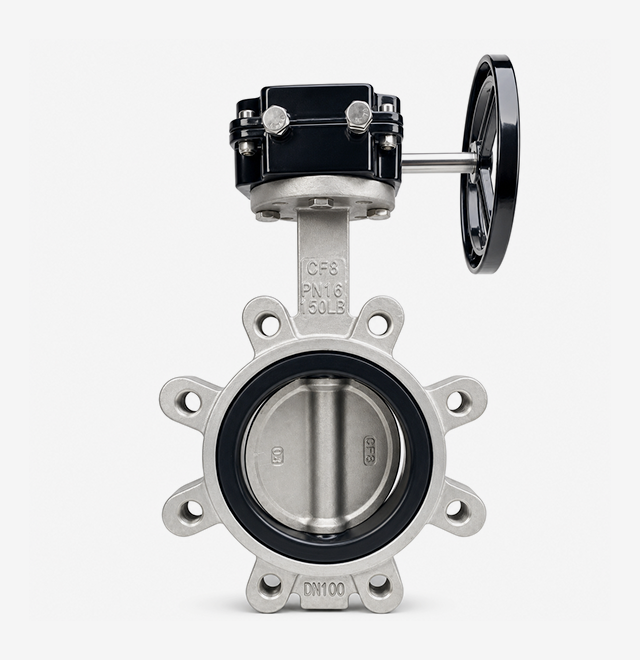
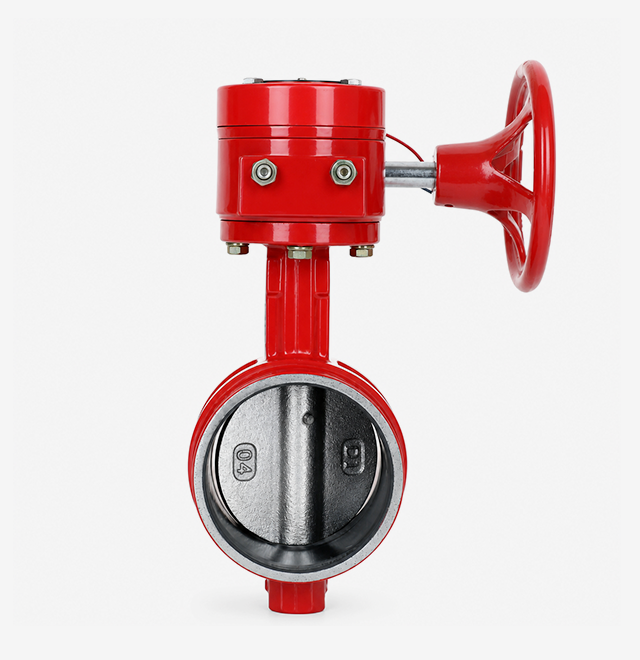
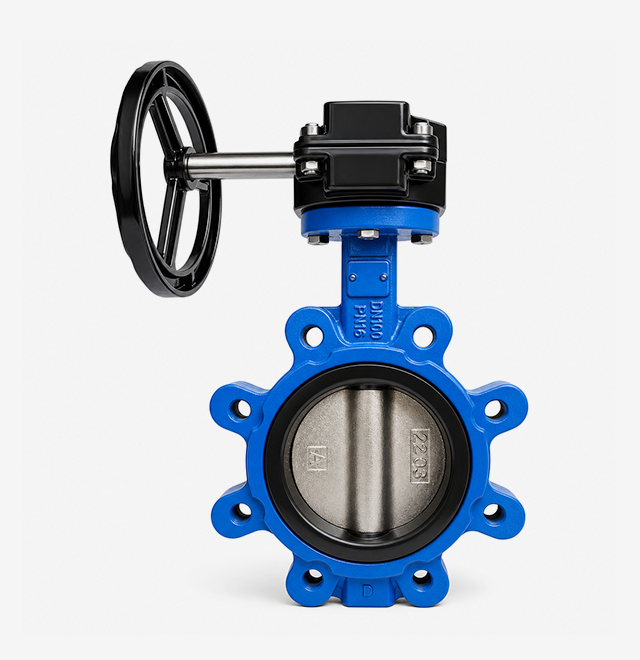
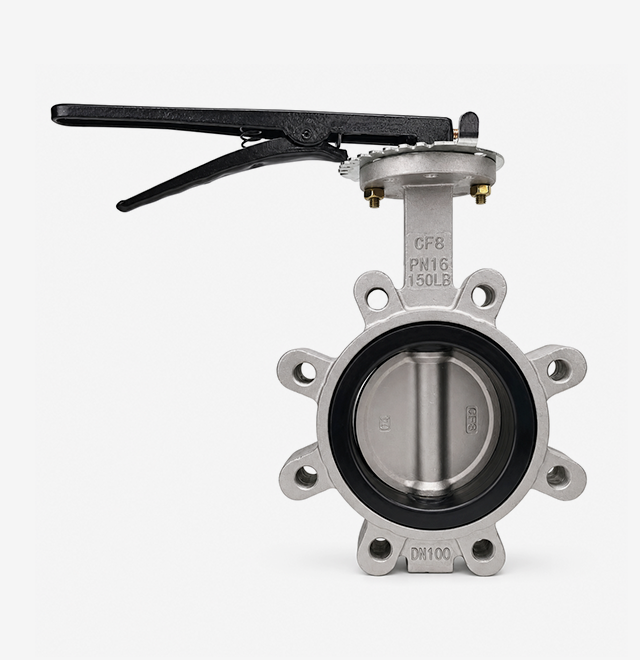
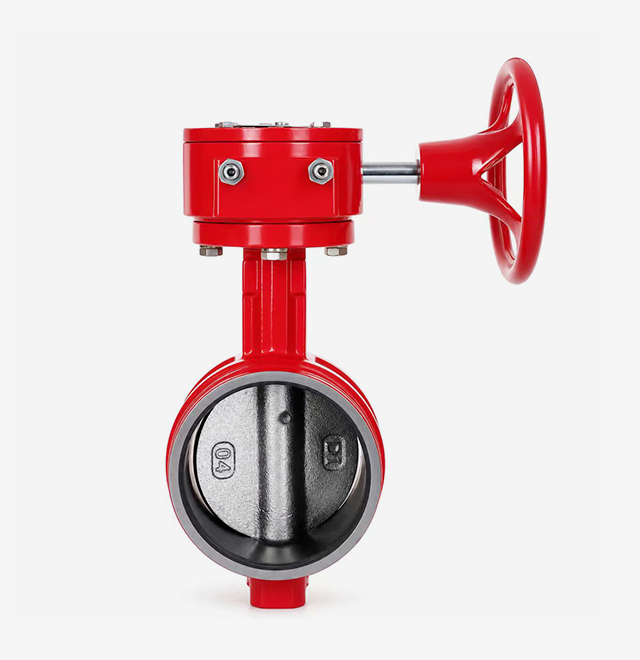
Butterfly wafer lug valve | Lug-Type Design for Dead-End Service & Sectional Isolation
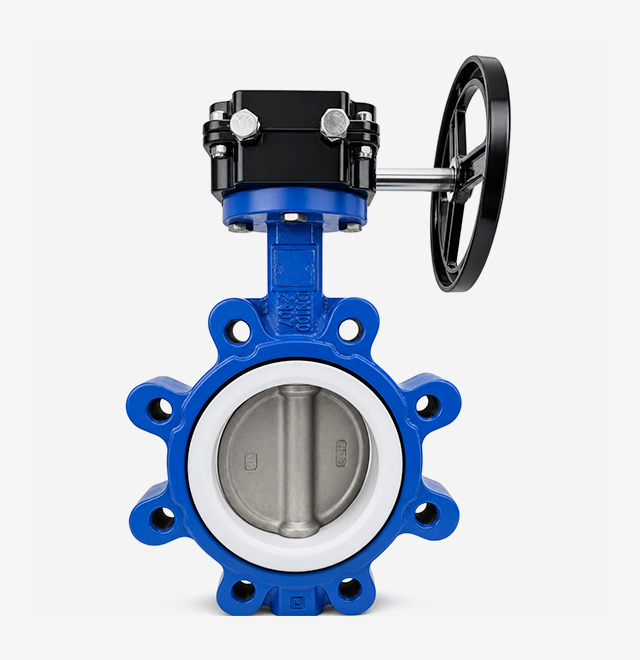
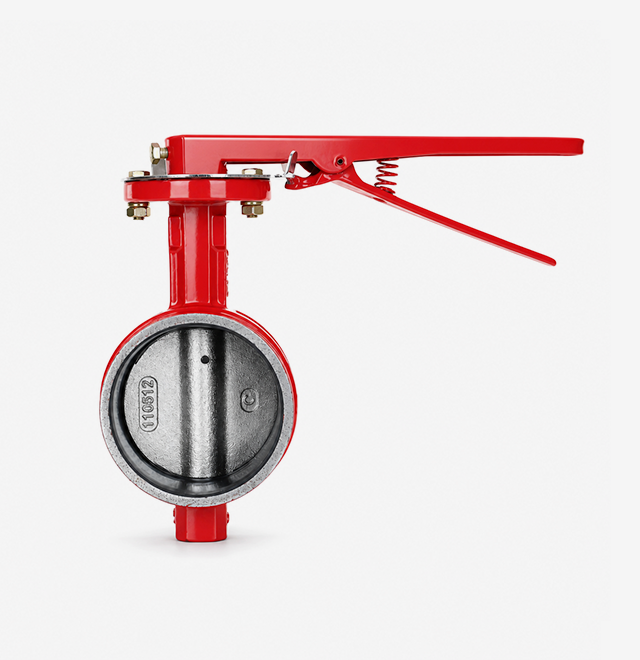
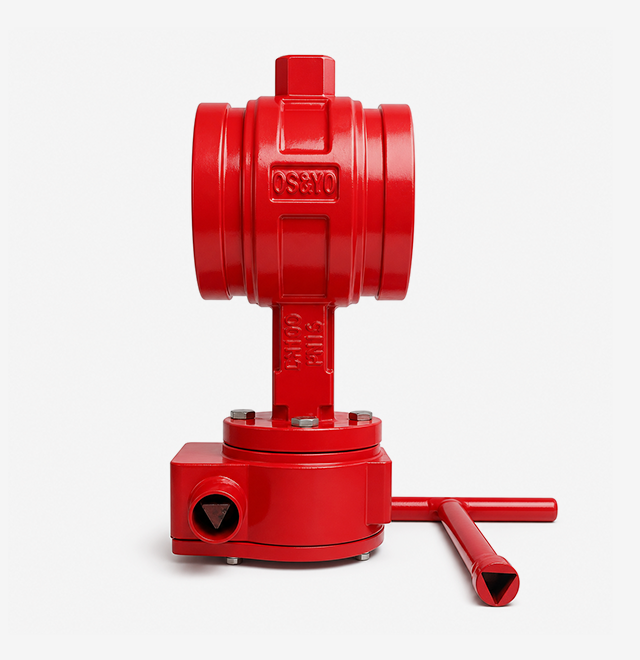
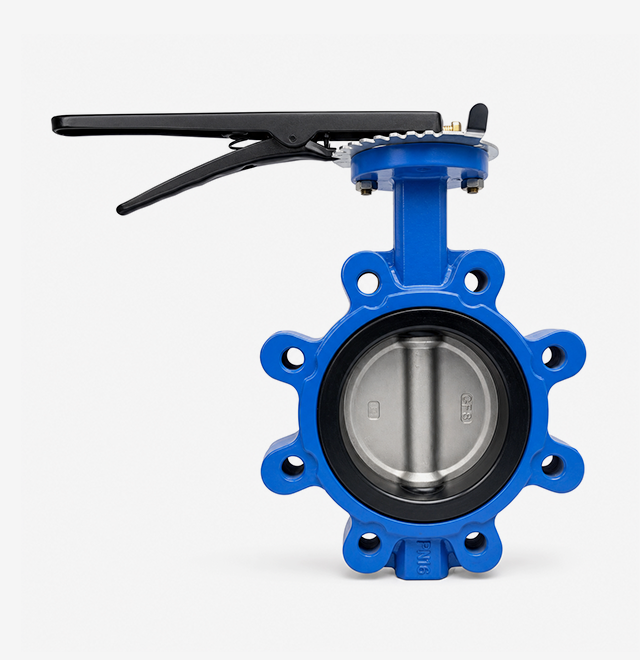
The wafer lug valve is a purpose-built solution for pipelines that require sectional isolation, one-sided pipe removal, or equipment maintenance without shutting down the entire system. With threaded metal lugs around the valve body, it bolts independently to each flange - enabling true dead-end service. Manufactured since 2006, Tangzheng supplies this lug-type butterfly valve in sizes DN50–DN800, pressure ratings PN10/PN16, and a wide range of body and seat materials. Multiple actuation options - handle, gear, electric, and pneumatic - are available. OEM/ODM and bulk orders are supported.
Technical Specifications
| Parameter |
Details |
| Connection Type |
Wafer Lug (Lug-Type) |
| Size Range |
DN50 – DN800 |
| Working Pressure |
PN10 / PN16 |
| Body Material |
QT450 (Ductile Iron) / WCB / CF8 / CF8M |
| Disc Material |
Ductile Iron / CF8 / CF8M |
| Seat Material |
EPDM / NBR / PTFE |
| Shaft Material |
Q235 / 2Cr13 / 304 / 316 |
| Connection Standard |
ISO 5211 Actuator Mounting |
| Operation |
Handle / Gear / Electric / Pneumatic |
| Medium |
Water, Sewage, Air, Neutral Liquid |
| Temperature Range |
0 – 168°C |
What Makes the Lug Design Different?
Standard this product sit between two flanges, held in place by long through-bolts. The lug-type design is different - and that difference matters.
Threaded inserts sit in every lug around the valve body. That means each flange side bolts up on its own. Say you have to pull downstream piping for maintenance. You can do it and leave the upstream side alone.
Engineers call this dead-end service capability. It comes in handy for isolating equipment. Pumps and heat exchangers too. Or any stretch of pipeline that gets serviced from time to time.
Key Features
You can mix the materials, so the valve fits many media and project conditions. Body choices are ductile iron and carbon steel. There is also stainless steel in grades CF8 and CF8M.
What the seat is made of decides how well the valve seals and how long it holds up. In water and air systems, EPDM does a good job. NBR works with oil-based media that are compatible. For chemical service, or a mildly corrosive one, go with PTFE. Check the real medium and the temperature first, then pick.
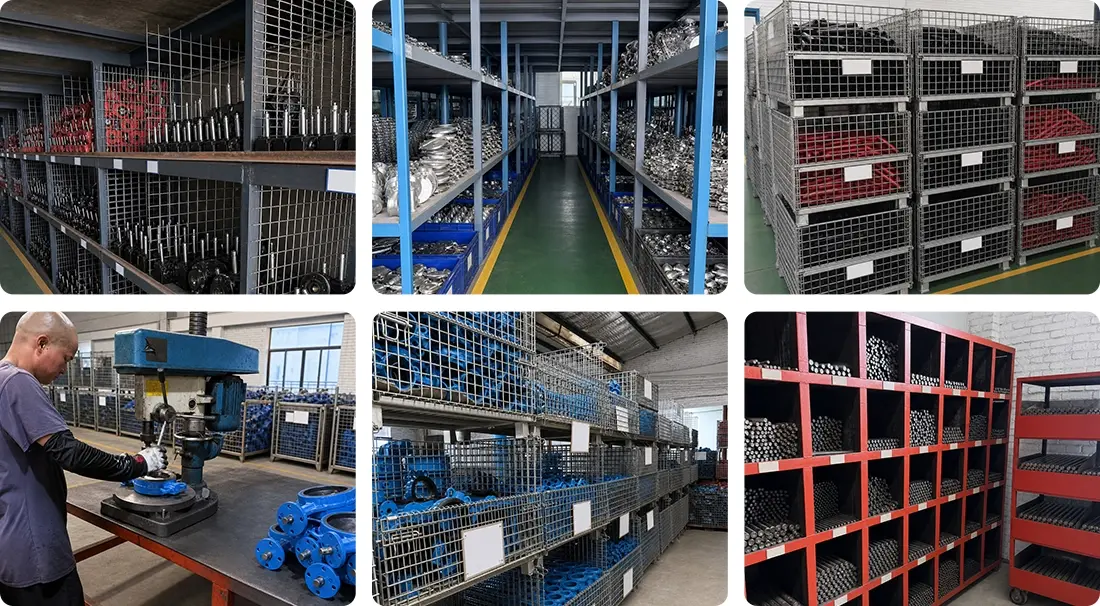
We make the valve shaft for a wafer lug valve ourselves. Production staff verify five checkpoints: shaft diameter, tolerances, shaft-end configuration, the disc-to-shaft connection, and assembly torque. Field trouble drops as a result. Parts stick less often. Disc wear stays even. The disc no longer stops halfway through its open or close stroke.
Actuator mounting follows ISO 5211. Standard pneumatic and electric actuators bolt straight on, so automating the valve takes little effort.
Typical Applications for wafer lug valve
Plenty of industries count on this lug-type butterfly valve. They need shutoff they can trust, and upkeep that doesn't tie them in knots.
- Water treatment and municipal pipelines: cutting off pump stations and treatment equipment
- HVAC and cooling water systems: isolating one section so a chiller can be serviced while the rest keeps running
- Wastewater lines and industrial pipelines: the seal holds steady in lines that vibrate or see pressure swings
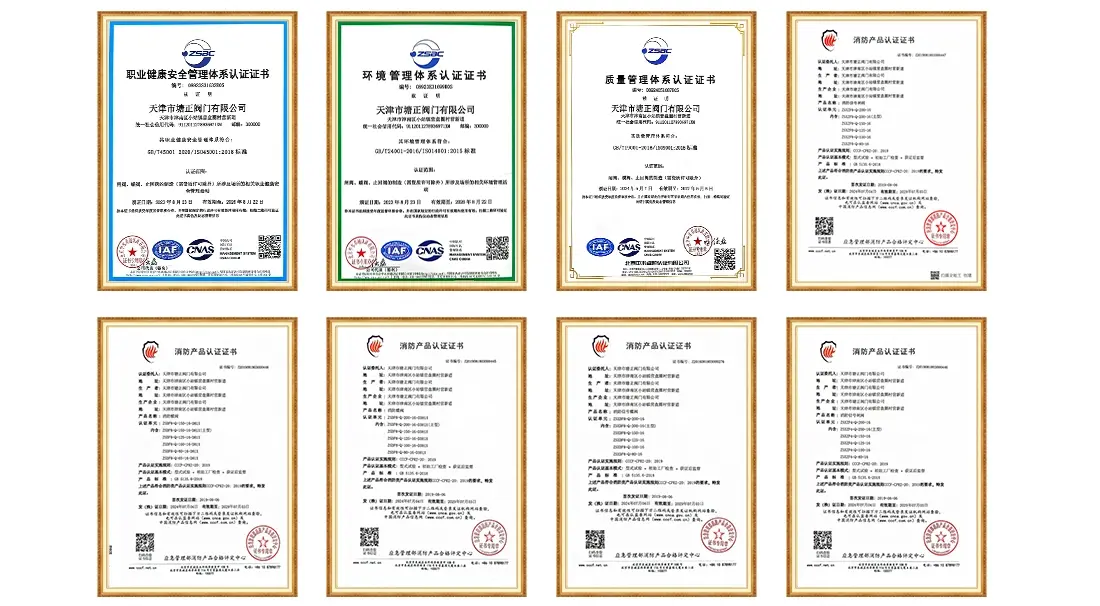
- Fire protection systems: you can get compatible setups for fire protection piping
- Chemical processing: pick the PTFE seat option for lines that carry neutral to mildly corrosive media
Why Source from Tangzheng?
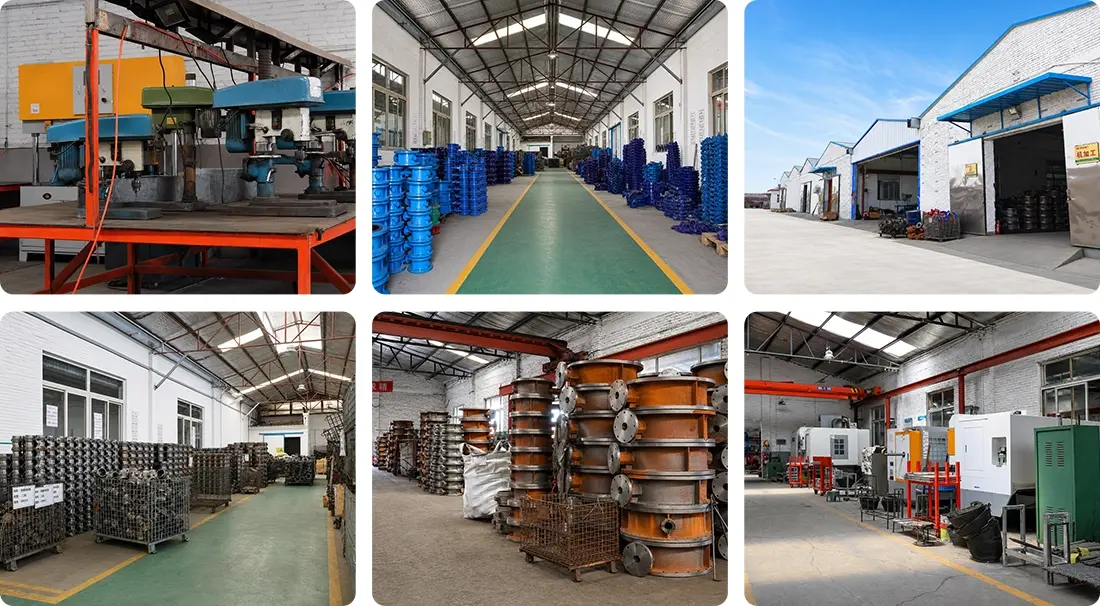
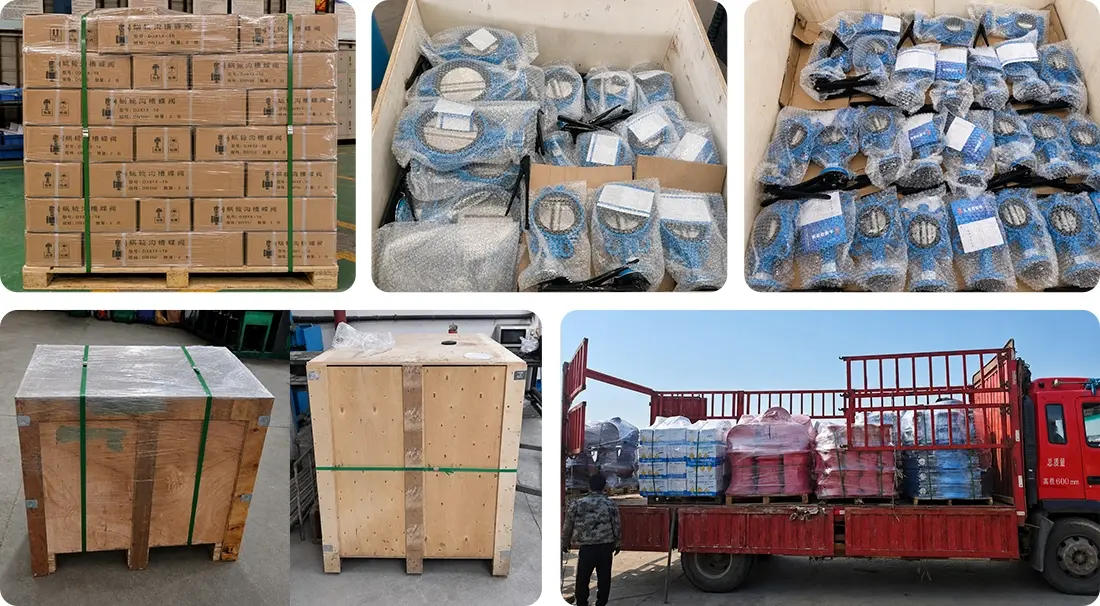
Industrial valves have been Tangzheng's line of work since 2006. The production history actually reaches back to 1998. Its plant covers 2,000 m². Every stage runs under one roof: foundry work, precision casting, machining, assembly, pressure testing, then packing.
Quality stays even that way, and delivery dates are easier to predict. Most custom builds are finished in 7–15 business days. In-stock orders that qualify can go out the same day, or the day after.
You get 50+ valve models to choose from, with 600+ specifications. All of them come from one supplier. Distributors and equipment makers can also use our wafer lug valve OEM and private-label services.
FAQ
Q: How do I pick the right valve for my pipeline?
A: Before you order, confirm six things. Size (DN). Working pressure. Medium. Temperature. Connection standard. Quantity. During business hours, the Tangzheng technical team replies to selection questions within one hour.
Q: What is the difference between a wafer and a product?
A: A wafer valve is held between flanges by long through-bolts. A product has threaded inserts that let you bolt each flange side independently - so you can remove downstream piping while the upstream side remains under pressure.
Q: Which seat material should I choose?
A: EPDM is commonly selected for water and air. NBR suits compatible oil media. PTFE covers many chemical or corrosive applications. Final selection depends on your actual medium and operating temperature.
Q: Can OEM or custom configurations be arranged?
A: Yes. OEM and ODM services are available based on drawings, samples, or project specifications - including materials, dimensions, pressure ratings, actuation methods, coatings, and labeling.
Q: Is the valve suitable for automation?
A: Yes. The ISO 5211 actuator mounting pad is compatible with standard electric and pneumatic actuators. Torque requirements should be confirmed based on your media and operating pressure before actuator sizing.
Contact Us
Do you have more questions about wafer lug valve? Send your pipeline requirements to youweipan@tangzhengvalves.com - our team will respond with a tailored quotation promptly.