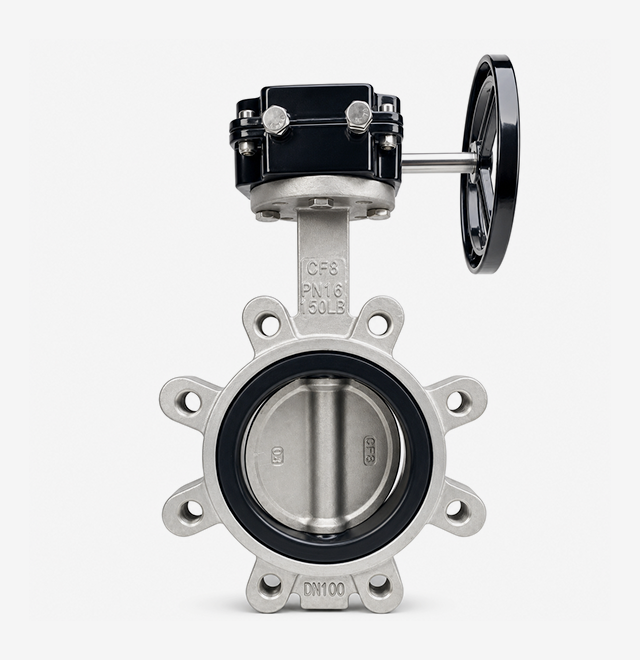
Wafer Lug Type Butterfly Valve | Ductile Iron & Stainless Steel | DN50–DN300 for Industrial Pipelines
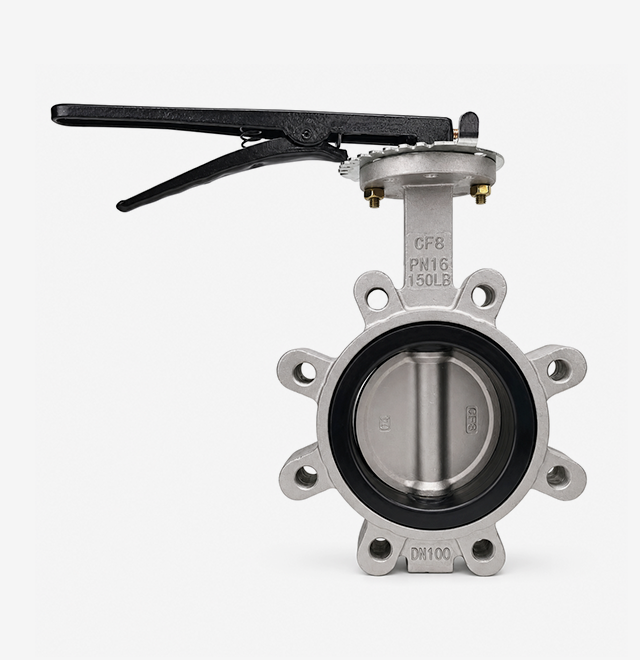
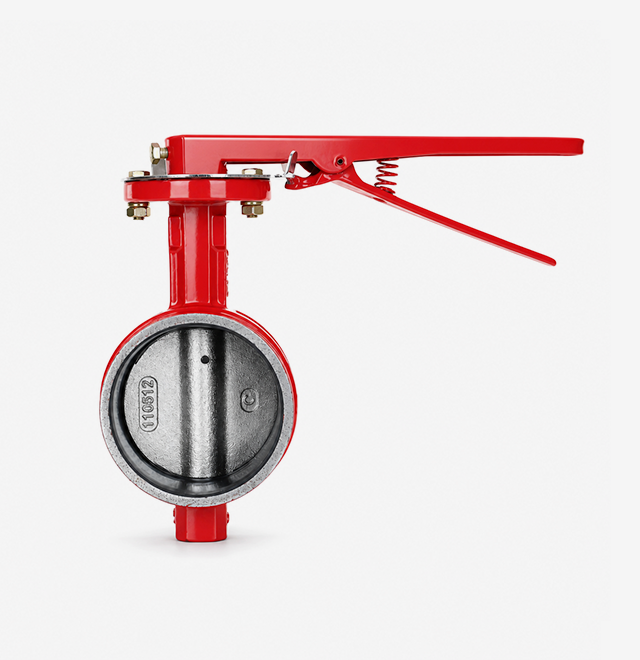
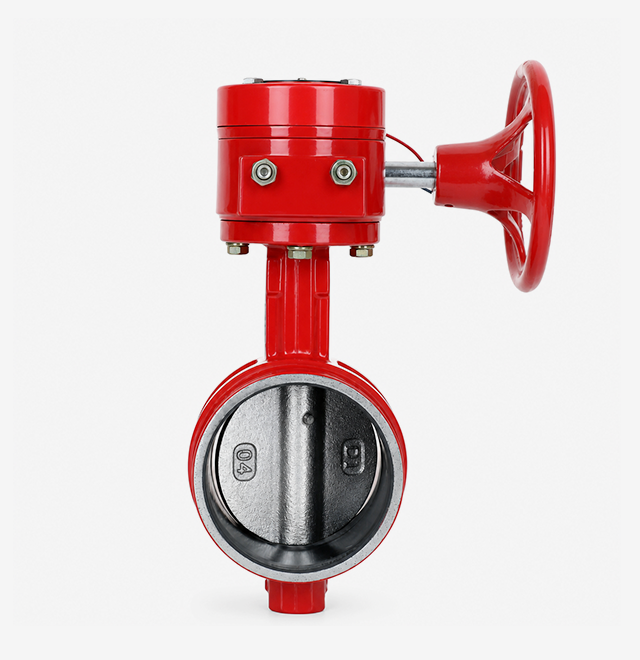
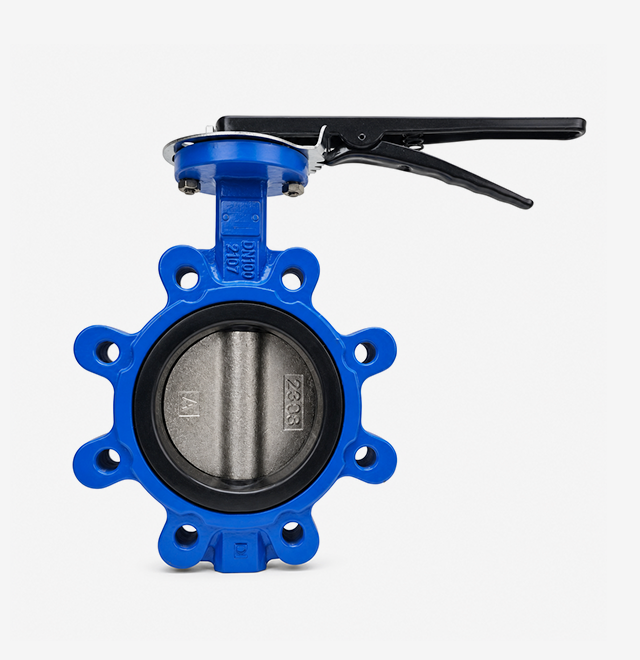
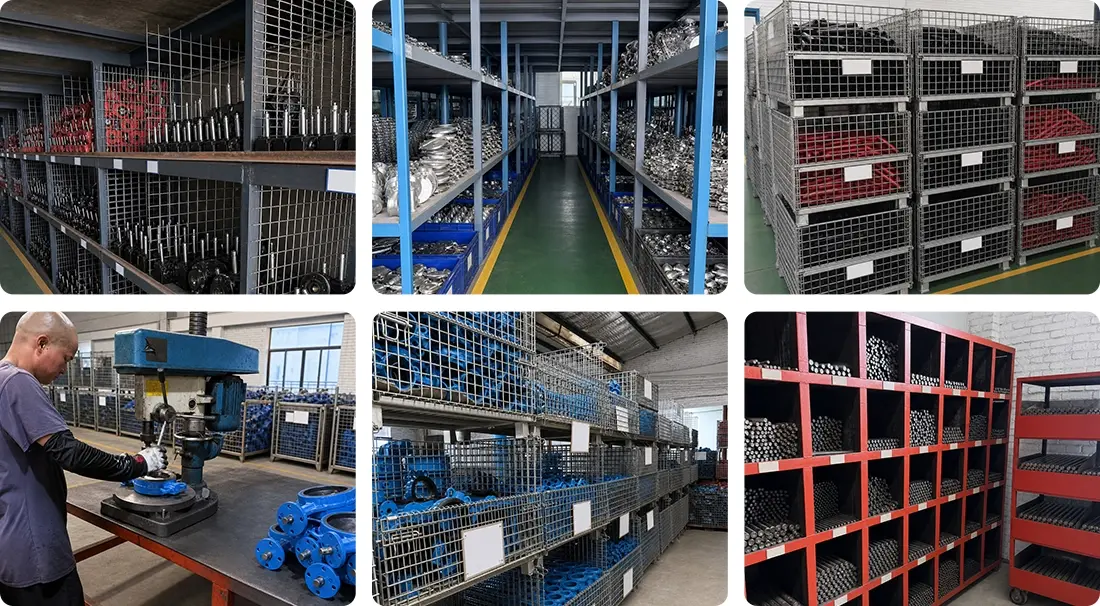
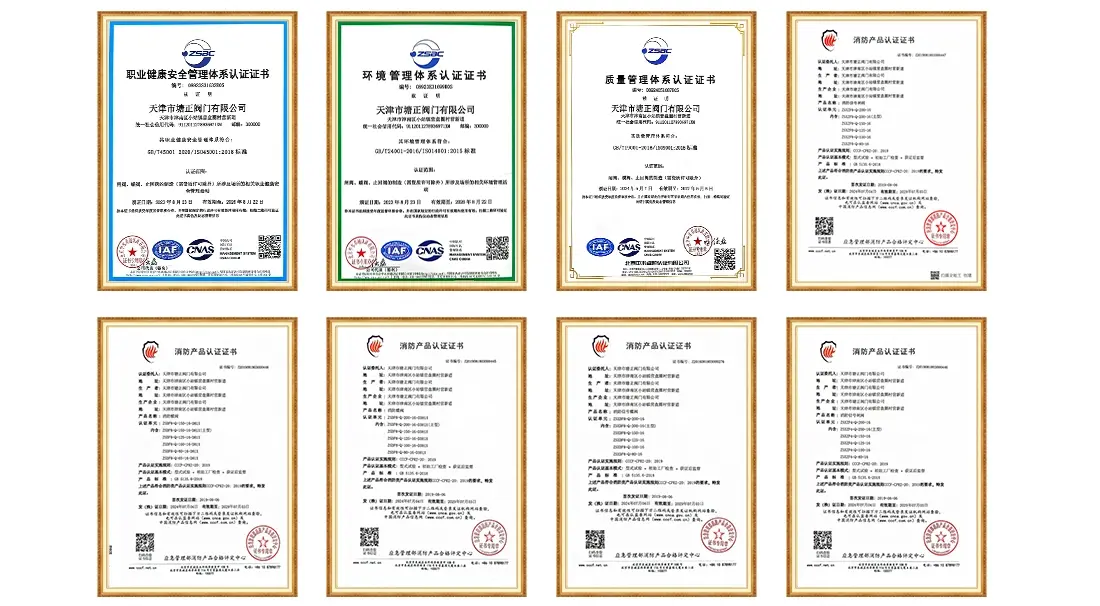
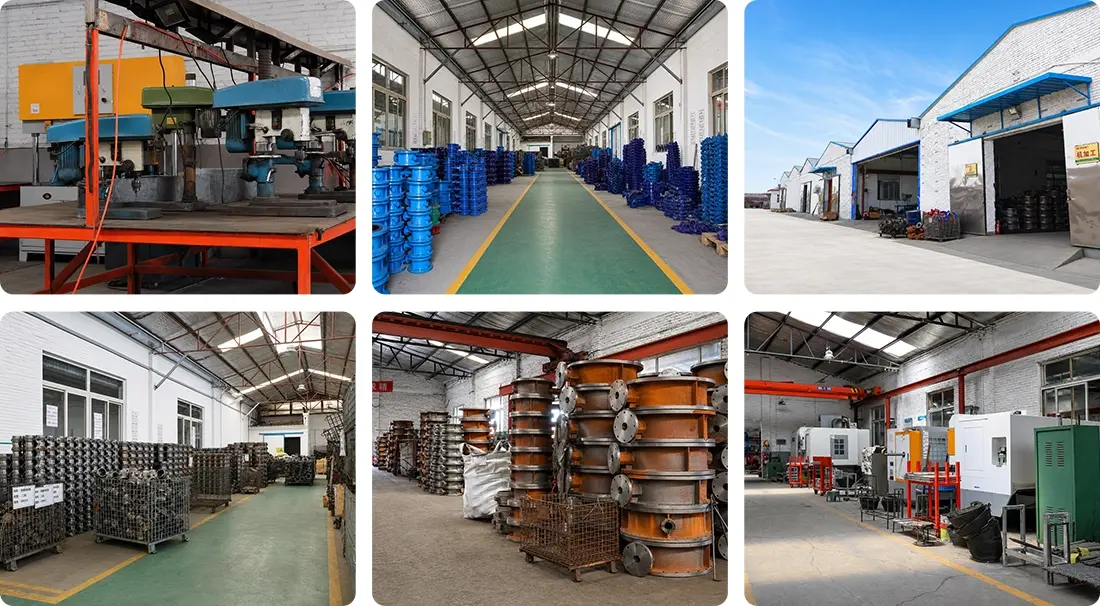
Tianjin Tangzheng Valve Co., Ltd. has been building valves since 1998. The company as it stands today was set up in 2006. Its wafer lug type butterfly valves run from DN50 up to DN300 and come rated PN10/PN16. Body material can be ductile iron, WCB, SS304 or SS316. For the seat you pick from EPDM, NBR, PTFE, and VITON. Working temperature goes from 0–167℃. A handle will drive the valve, and so will a gearbox, an electric actuator or air. Over 50 valve models and more than 600 specifications sit in the range. OEM/ODM support is there when you need it. MOQ stays flexible. In-stock orders that qualify ship the same day or the next.
What Makes Type Different?
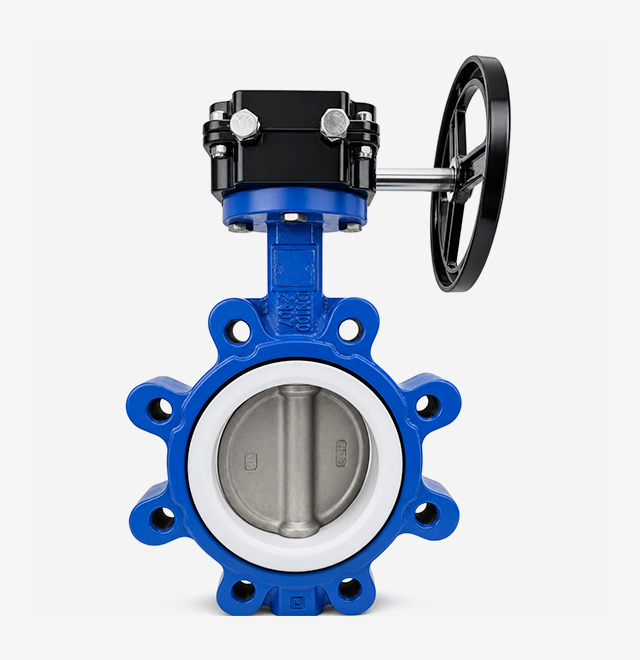
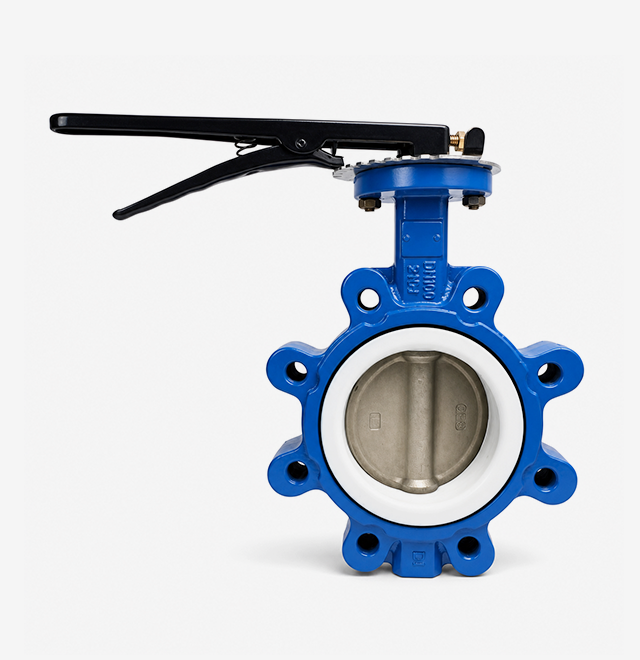
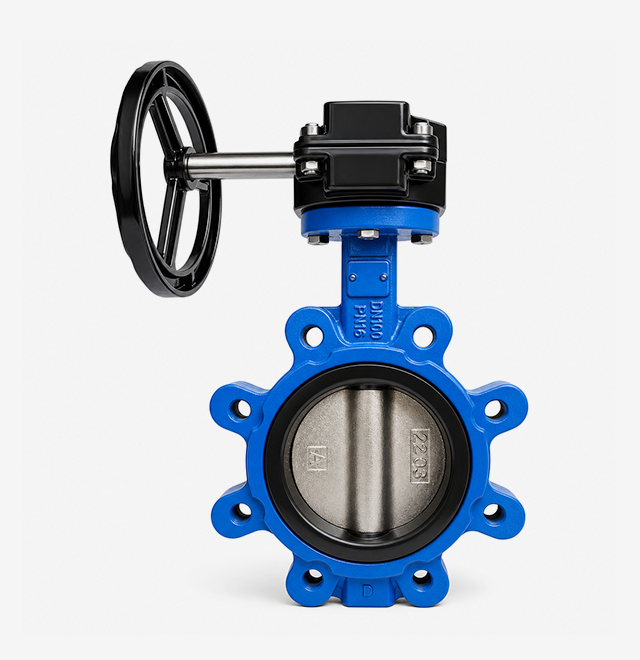
Unlike standard wafer valves that rely entirely on two flanges and long through-bolts, This product design features threaded metal inserts around the valve body. Each flange side bolts independently to the valve.
This means you can disconnect the downstream piping for maintenance or equipment replacement - without shutting down the upstream side. That single capability makes it the preferred choice for dead-end service applications.
Specifications
| Parameter |
Details |
| Size Range |
DN50 – DN300 |
| Pressure Rating |
PN10 / PN16 |
| Body Material |
QT450 / WCB / CF8 / CF8M |
| Disc Material |
Ductile Iron / CF8 / CF8M |
| Seat Material |
EPDM / NBR / PTFE |
| Shaft Material |
Q235 / 2Cr13 / 304 / 316 |
| Operating Temp. |
0 – 167℃ |
| Connection Type |
Wafer / Lug |
| Operation |
Handle / Gear / Electric / Pneumatic |
| Medium |
Water, Sewage, Air, Neutral Liquid |
Key Advantages
Dead-end service capability is the defining feature. You can remove downstream piping while keeping upstream pressure stable - a safety advantage that standard wafer valves cannot offer.
Material pairings differ, so you can match the valve to the conditions it truly works in. Water and air are fine with EPDM. NBR suits oils it is compatible with. For many chemicals and corrosive media, PTFE is the one to take.
The shaft comes out of Tangzheng's own plant. That keeps five key shaft details under close control. Diameter is one of them. So are tolerances. Then there is the shaft-end setup and the joint between disc and shaft. Assembly torque counts too. Get those right and you cut sticking. Uneven wear drops. So does poor sealing.
OEM/ODM covers a wide set of changes. Materials can be swapped. Dimensions get adapted, and so do wafer lug type coatings. Actuation is your call. Markings can change. Private-label packaging is open too. Send over your drawings. Samples work just as well. Project specs are enough on their own.
Where This Valve Is Used
Plenty of systems need this valve. It suits setups where isolation and easy maintenance both count:
- Water treatment & municipal pipelines: reliable shutoff for sectional isolation
- HVAC systems: isolate pumps at the suction and discharge points
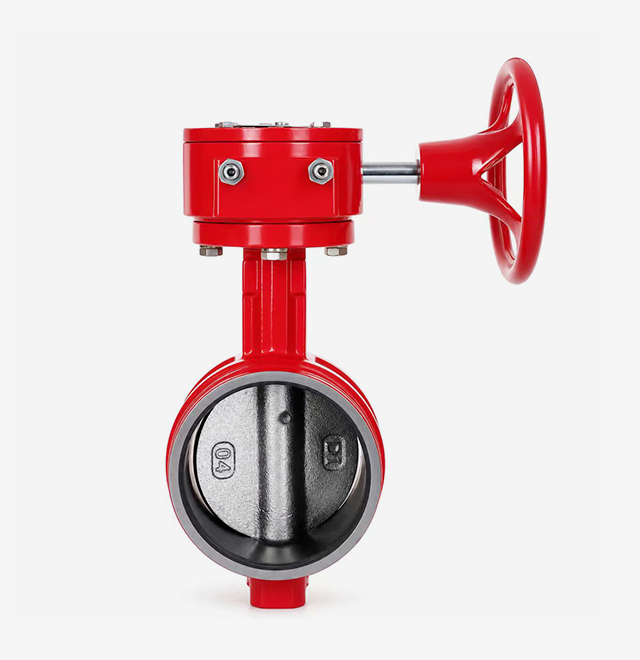
- Fire protection pipelines: reliable dead-end service in pressurized systems
- Chemical processing: disconnect safely downstream when the media is sensitive
- Industrial piping: day to day flow control in process settings that are compatible
How to Order: 6 Parameters to Confirm First
We check six details before we put a quote together. That cuts down on wrong picks and late deliveries:
- Pipeline size (DN)
- Working pressure
- Medium type
- Operating temperature
- Connection standard
- Required quantity
Get them to us wafer lug type early. The quote then comes back right the first time. It saves rework later as well.
FAQ for wafer lug type
Q: What should I look at when picking a butterfly valve for my system?
A: A few details are needed from you first. Send the pipeline DN and the working pressure. What medium runs through it, and at what temperature? Which connection standard applies here? Say how you want the flow controlled and which operation type you run. Installation conditions matter too, so describe them. Stuck on model choice? During business hours, Tangzheng's team can help with selection within one hour.
Q: How does a wafer butterfly valve differ from a lug type?
A: A wafer type is sandwiched between two flanges using long through-bolts. A lug type has threaded inserts that allow each flange side to bolt independently - enabling downstream piping removal without affecting upstream pressure.
Q: Which seat material should I choose?
A: Water and air lines often use EPDM. For compatible oils, NBR is the usual pick. Many chemical or corrosive applications work with PTFE. Your specific medium and operating temperature decide the final choice.
Q: Can you provide OEM/ODM service?
A: Yes. OEM and ODM manufacturing is available based on customer drawings, samples, or project-specific requirements - including materials, dimensions, coatings, actuation, and labeling.
Q: Does SS304 work in every corrosive application?
A: SS304 resists corrosion well in general use, and it fits projects that call for clean surfaces. It is not the same as sanitary grade, though. Nor is it a direct swap for materials that hold up against high chloride levels. Check the real working conditions on your side before you specify a material.
Q: What is the delivery lead time?
A: Qualifying in-stock orders can be dispatched same day or next day. Standard customized products typically require 7–15 business days. Special or non-standard valves are scheduled based on project requirements.
Contact Us
Need a quotation or technical support with wafer lug type? Send your six parameters to youweipan@tangzhengvalves.com - we respond within one hour during business hours.