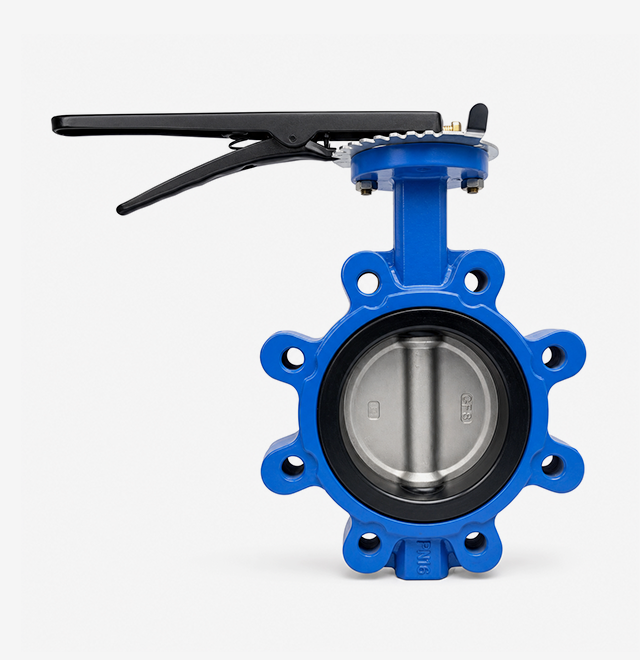
Industrial-grade butterfly wafer and lug type valves for reliable pipeline control
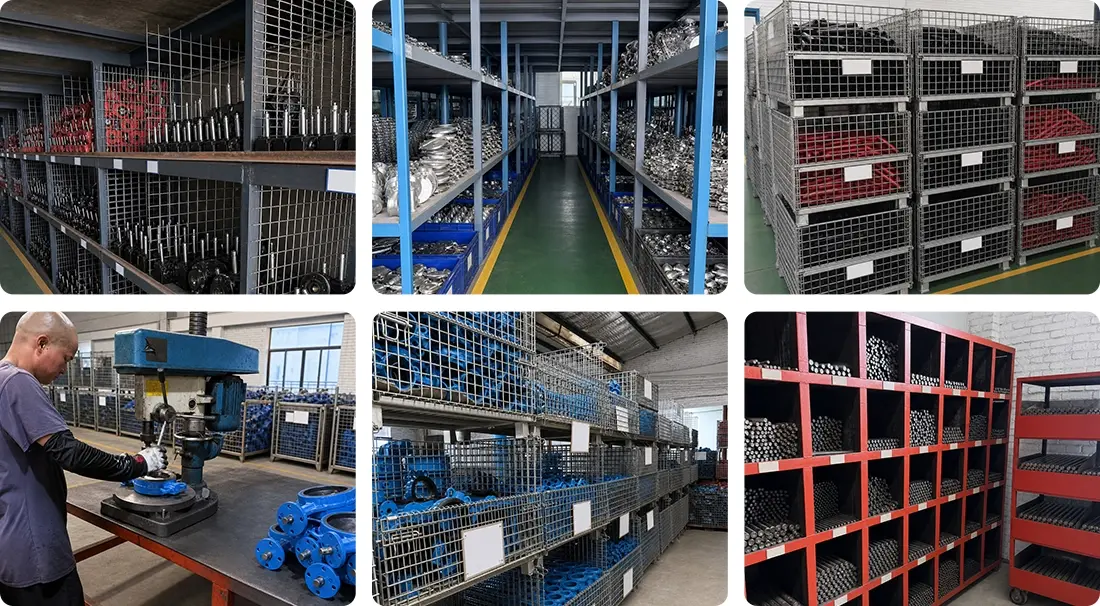
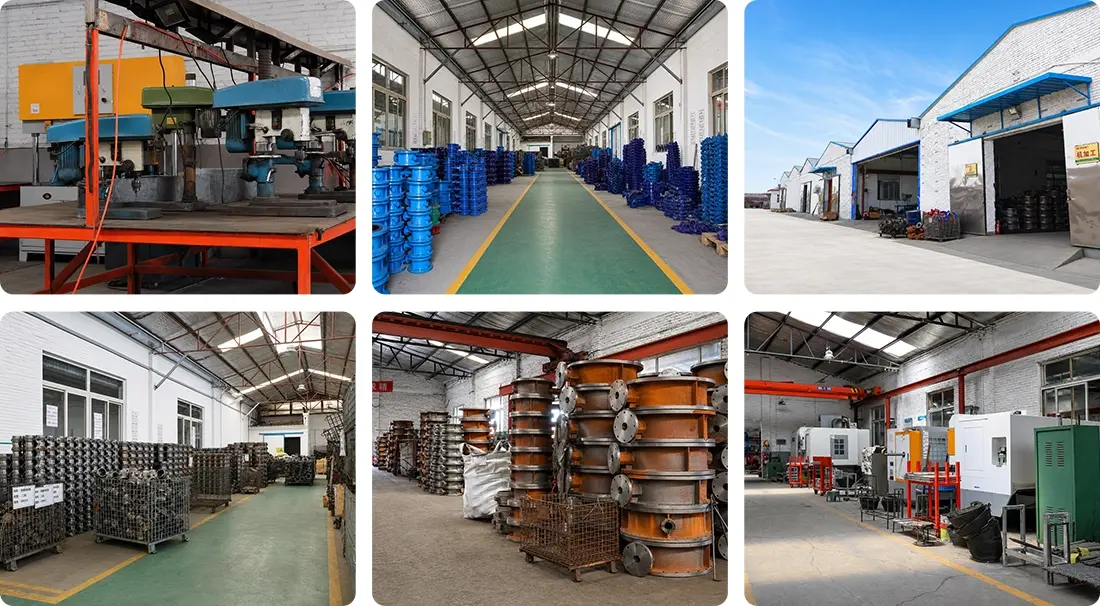
Valve production at Tianjin Tangzheng Valve Co., Ltd. began in 1998 with wafer and lug type valves. The company in its current form was registered in 2006. Sizes go from DN50 up to DN800, rated PN10/PN16. Bodies are cast in ductile iron or WCB. Stainless versions use SS304 or SS316. Seats come in EPDM, NBR, PTFE, or VITON. One valve then handles a wide spread of media and temperatures. The catalog holds over 50 models and 600 specifications. Supply is factory-direct. OEM and ODM work are both welcome. Water treatment plants run these valves. So do HVAC systems, fire protection lines, and industrial pipelines around the world. Performance stays the same on every order.
What Are valves?
Industrial fluid control leans on these two body styles. They are the base of butterfly valve design.
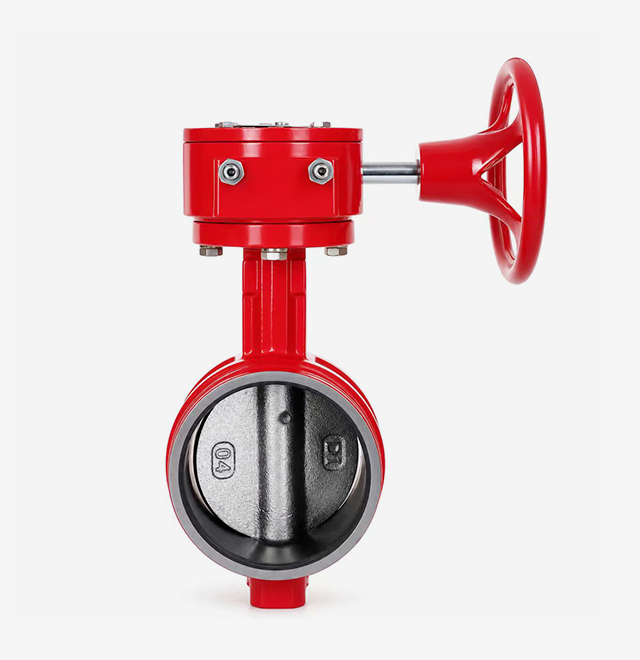
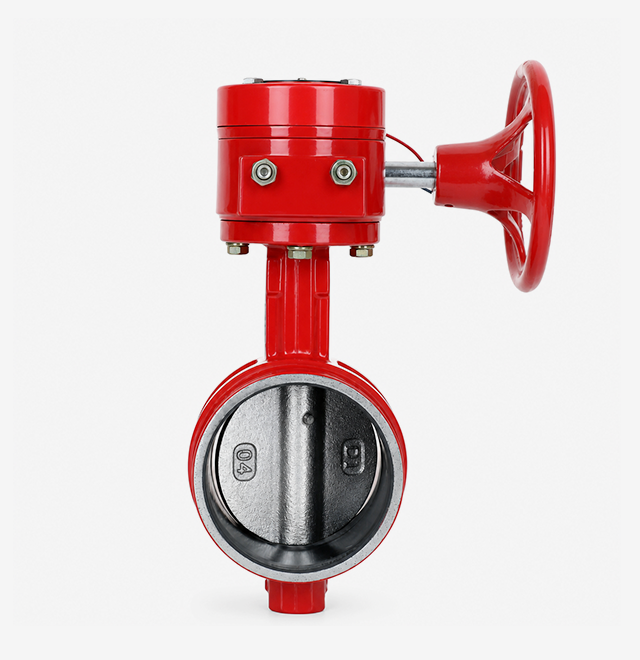
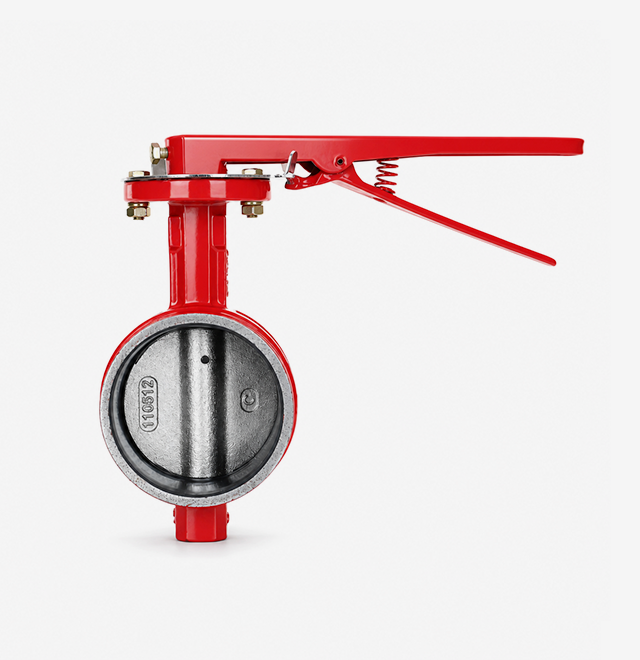
Fitted between two pipe flanges, This product body is clamped there by long through-bolts. Weight stays low. The body needs little room. Cost runs lower as well. That fits bidirectional flow systems where space and budget are tight.
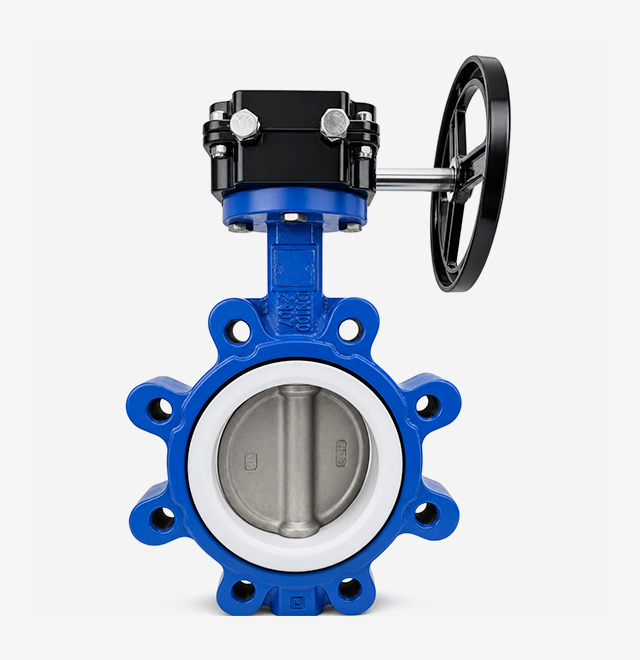
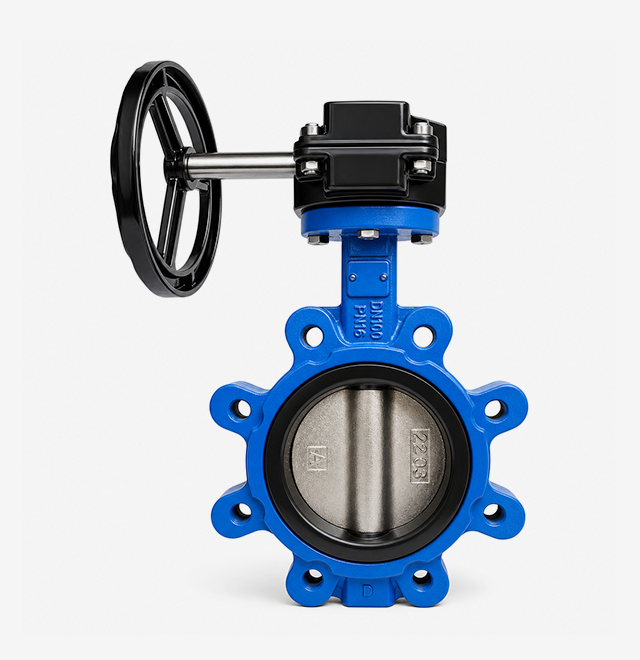
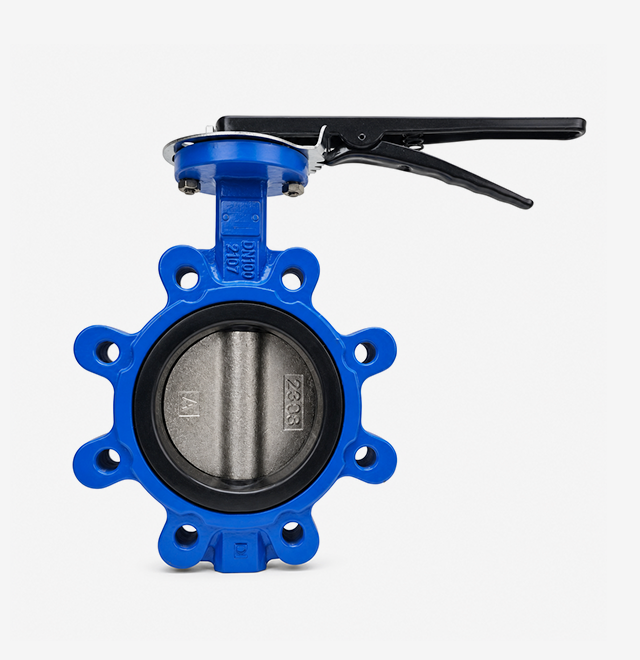
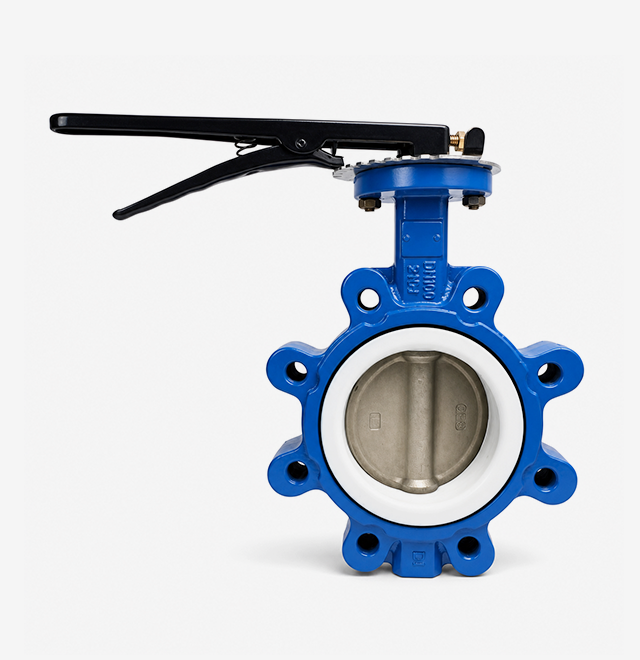
On a lug type valve, threaded ears (lugs) sit around the body and line up with the bolt pattern on your flange. Every flange gets bolted on its own. That layout allows dead-end service. You can pull the downstream pipe off while the upstream side is still under pressure. In systems that see heavy maintenance, that counts for a lot.
Gate valves and globe valves take up more room. Both of these types are small by comparison. That cuts installation costs, and it shrinks the structural footprint by a lot.
Specifications
| Parameter |
Details |
| Connection Type |
Wafer / Lug |
| Size Range |
DN50 – DN800 |
| Pressure Rating |
PN10 / PN16 |
| Body Material |
QT450 (Ductile Iron) / WCB / CF8 / CF8M |
| Disc Material |
Ductile Iron / CF8 / CF8M |
| Seat Material |
EPDM / NBR / PTFE |
| Shaft Material |
Q235 / 2Cr13 / 304 / 316 |
| Operation |
Handle / Gear / Electric / Pneumatic |
| Actuator Mounting |
ISO 5211 |
| Media |
Water, Sewage, Air, Neutral Liquid |
| Temperature Range |
0 – 168°C |
Key Features
Every Tangzheng butterfly valve rests on a handful of engineering decisions. How the valve behaves once it is in the field comes straight from those decisions.
Shaft quality matters. The valve shaft is manufactured in-house. Tangzheng supplies shafts to multiple valve manufacturers, and five critical points - shaft diameter, tolerances, shaft-end configuration, disc-to-shaft connection, and assembly torque - are verified during production. This reduces sticking, uneven wear, and unstable sealing in service.
Material gets checked before any quote leaves the building. Corrosive media involved? We confirm the medium first. Then the concentration. Then the temperature. Pair the wrong material with it and you can end up with seat swelling, permeation, or torque that behaves oddly. Checking early stops that.
A PTFE seat is one route to take for corrosive duty. Corrosive media come in many kinds, and PTFE seats handle a broad spread of them. PTFE discs do the same. Plenty of chemicals work fine. Whether a given valve truly fits still depends on wafer and lug type valves, on concentration, on temperature, and on the way the whole valve is put together. That check happens every time, before an order is confirmed.
Six details have to be settled before we can send a quote. They are size, pressure, medium, temperature, connection standard, and quantity. Once those are clear, picking the wrong valve becomes far less likely. The same holds for rework and late deliveries.
Applications for wafer and lug type valves
A lot of industries and systems with wafer and lug type valves run these valves every day. Here are some of them:
- Water treatment & municipal pipelines: Both wafer and lug types are deployed in aeration, sludge handling, and distribution networks.
- HVAC systems: Chilled water and hot water circulation in commercial buildings runs on wafer type valves. They are the standard pick here.
- Chemical & industrial processing: Lug type valves are preferred where dead-end service and periodic downstream maintenance are required.
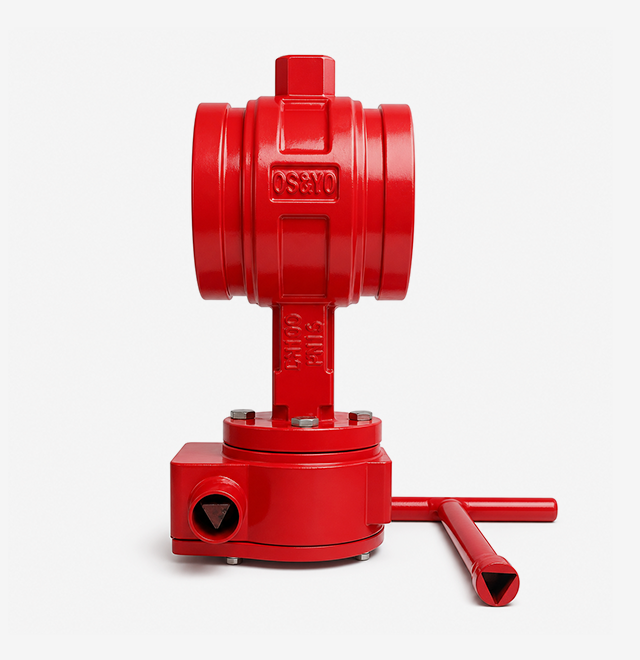
- Fire protection systems: These valves work with fire protection piping. That matters when system integrity has to hold.
- Pump discharge headers: Lug type valves give a rigid, secure connection. Vibration is high in these setups, and pressure keeps swinging.
When you pick a product, look at the media first. Then check pressure and temperature. Connection type matters too, along with the operating conditions.
Why Source from Tangzheng?
- Factory-direct supply: the plant sells to you directly, so no middlemen sit in between. Bulk orders and wholesale volumes come with competitive pricing
- Flexible MOQ: trial orders are fine. So is project-based supply, and so are regular production runs
- OEM/ODM orders welcome: your drawings or samples are enough to get started, and project specs work too
- Quick to ship: in-stock orders that qualify leave the same day or the next one. Customized work usually takes 7–15 business days
- Technical support within 1 hour: During business hours, for product selection, compatibility review, and installation guidance
- 12–18 month warranty: This covers standard products. The final quotation or contract terms decide the details
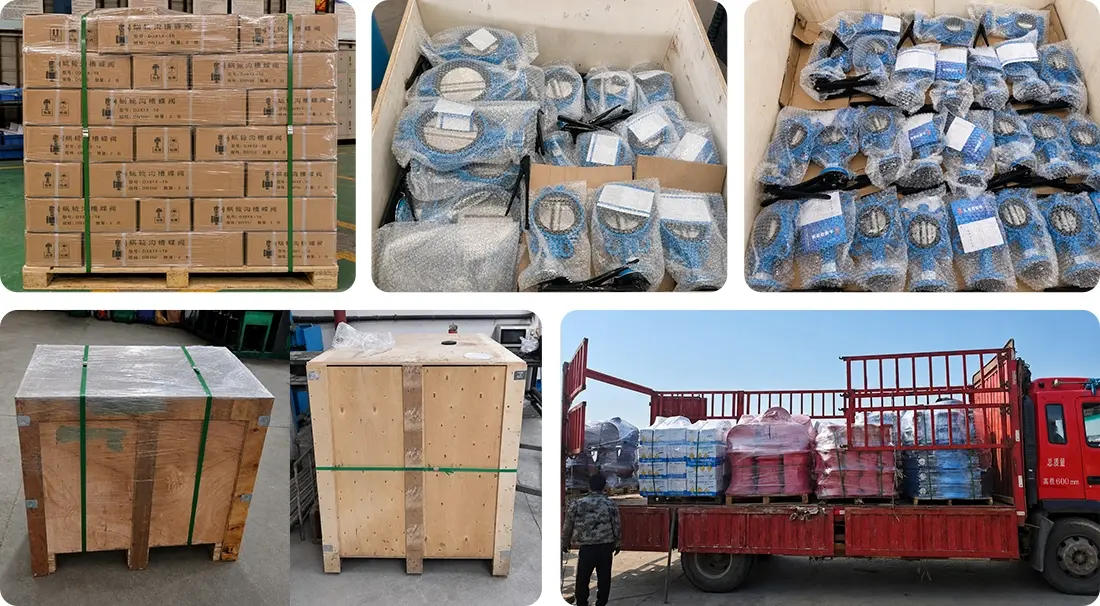
- Export wooden case packaging: valves stay protected on the trip overseas
FAQ
Q: Does dead-end service work with a wafer type valve?
A: No. A wafer valve needs pressure from both flanges to stay centered and sealed. For dead-end service - where downstream piping needs to be removed - you need a lug type valve.
Q: What is the right way to pick valve materials for corrosive media?
A: Give us the exact chemical name. The concentration needs to be there too. We also need to know the temperature and the pressure. Every part gets checked on its own: the body, the disc, the shaft, the seat, and the lining. Only after that can we recommend a material.
Q: Can you provide OEM service?
A: Yes. OEM/ODM is available based on your drawings, samples, or project requirements - including materials, dimensions, pressure ratings, coatings, and private-label packaging.
Q: Is PTFE suitable for my medium?
A: PTFE stands up to many corrosive chemicals. Even so, fit depends on the concentration. Temperature and permeation risk matter too. So does the whole valve construction. Always check before you specify.
Q: Which is better for high-vibration environments?
A: Lug type valves are generally preferred. Independent bolting to each flange creates a more rigid and secure connection compared to through-bolt wafer designs.
Contact Us
Need a quote or technical support for wafer and lug type valves? Email youweipan@tangzhengvalves.com - our team responds within one hour during business hours.