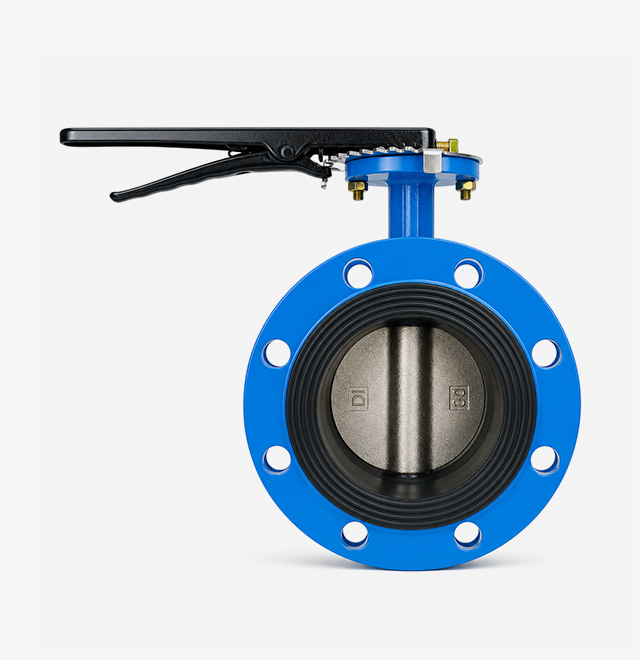
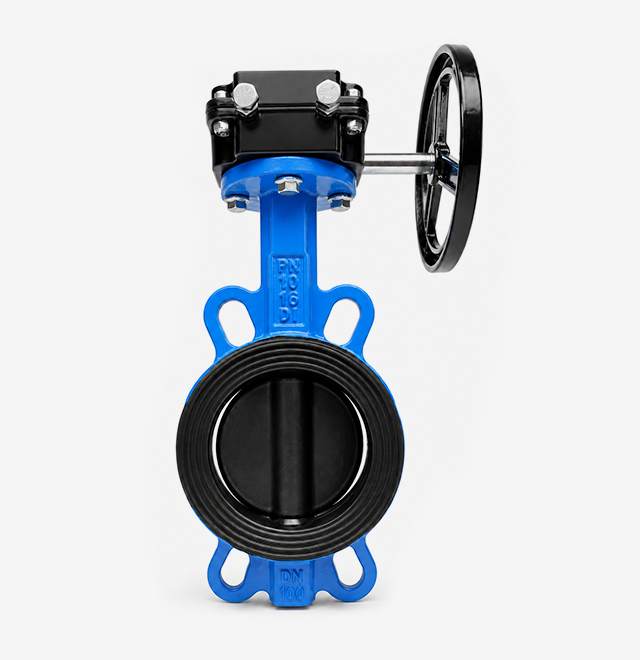
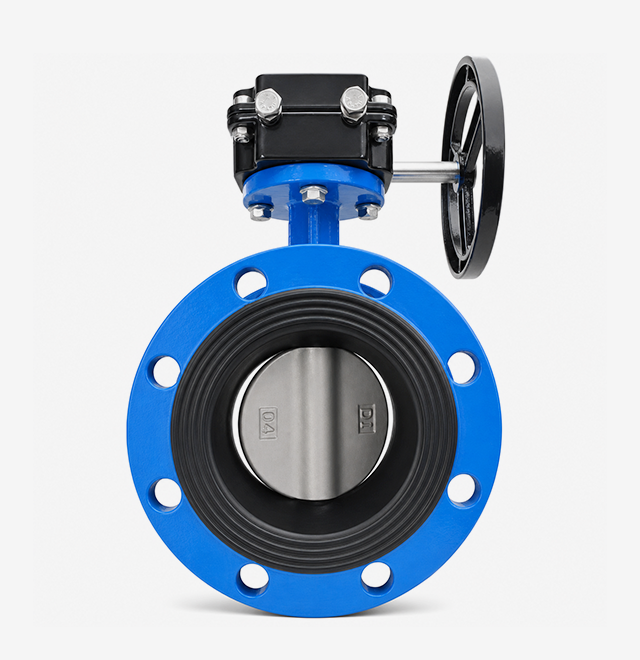
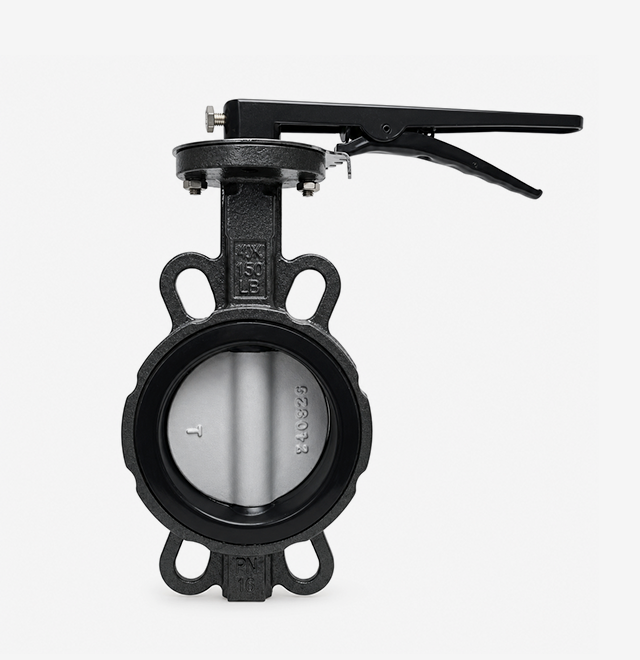
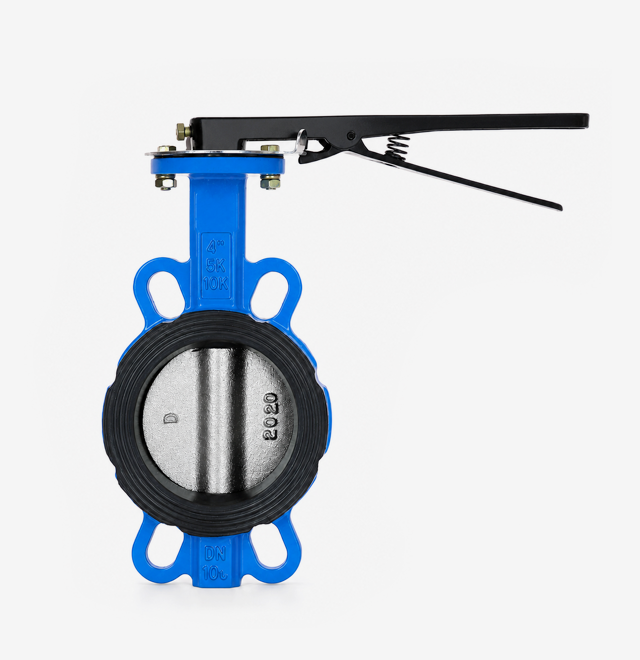
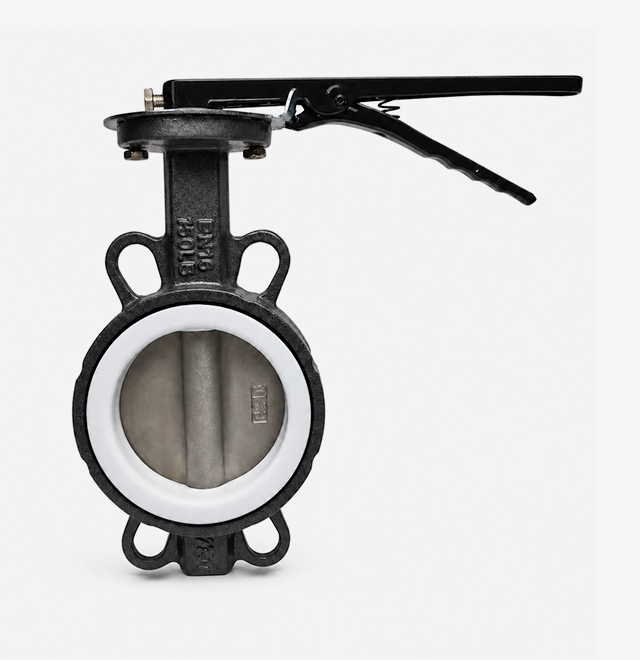
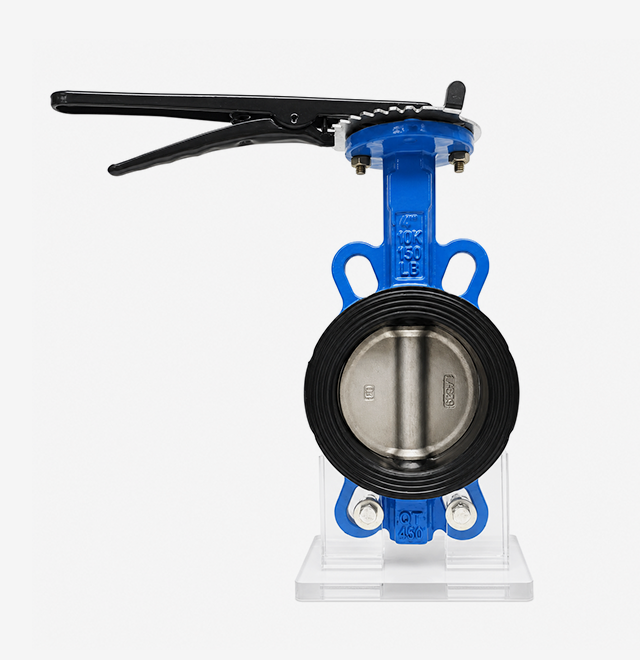
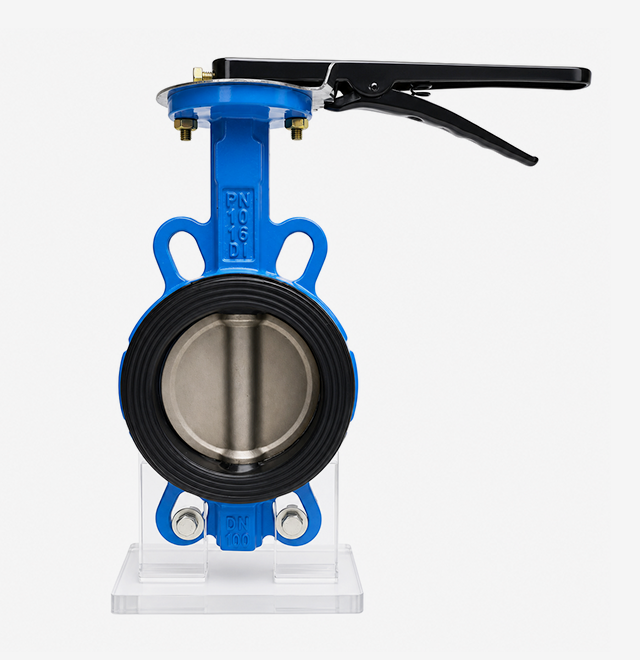
The best material for a CF8 wafer butterfly valve in water treatment depends on chloride level, temperature, and the seat that touches the water. CF8, the cast form of 304 stainless steel under ASTM A351, works well in clean water, treated water, and mildly corrosive lines. For seawater, brine, or chloride-heavy streams, CF8M (the 316 grade) is the safer pick. I wrote this guide for plant engineers and maintenance leads who replace rusted iron and carbon steel valves and cannot afford surprise shutdowns. Below, I cover grades, seats, ratings, installation, and the documents to request before you order.

Why Material Choice Decides CF8 Wafer Butterfly Valve Life in Water Treatment?
What Goes Into a CF8 Wafer Butterfly Valve?
A CF8 wafer butterfly valve has five parts that touch the fluid or seal it: body, disc, shaft, seat, and fasteners. The body clamps between two pipe flanges, so flange bolts hold it in place and the valve stays compact and light. At TZD, body options are ductile iron (QT450), WCB carbon steel, CF8, and CF8M. Disc options include ductile iron, CF8, CF8M, and aluminum bronze. Shafts come in Q235, 2Cr13, 304, or 316. Each part meets the water on its own terms, so one weak link can cause a leak even when the body is stainless. That is why I treat material choice as a full-assembly decision.
Where CF8 Fits in Water Treatment Plants?
CF8 is a cost-effective match for clean water, lightly treated water, chilled-water loops, and neutral liquids. Our valves are listed for water, sewage, air, and neutral liquid service. Typical jobs include municipal supply lines, cooling and HVAC loops, general industrial piping, and process water at chemical, pharmaceutical, and beverage plants. Stainless steel resists the rust that eats through cast iron and carbon steel on wet lines, which cuts the repair calls that come from pinhole leaks. A CF8 wafer butterfly valve often gives longer service on the same line, provided the water chemistry stays inside the grade's limits.
Where a CF8 Wafer Butterfly Valve Reaches Its Limits?
ASTM A351 lists CF8 at 18.0–21.0% chromium and 8.0–11.0% nickel, but it has no molybdenum. Without molybdenum, 304-type steel resists chloride pitting and crevice corrosion less well than 316. Chlorides collect in tight spots, such as the gap between seat and body, especially in still water. The U.S. EPA sets a secondary guideline of 250 mg/L chloride for drinking water, and brines, seawater, and some cleaning agents run far above that. For those streams, I recommend CF8M or a more resistant alloy. Hydrochloric acid also attacks 304-type steel and should not touch CF8 parts.
CF8 Stainless Steel Specification and Material Proof
CF8 vs CF8M: Composition and Chloride Resistance
CF8M carries 9.0–12.0% nickel and 2.0–3.0% molybdenum, next to the same 18.0–21.0% chromium. That molybdenum is the main reason it resists chloride pitting better. A CF8 wafer butterfly valve costs less than a CF8M version, so I suggest CF8 for fresh and treated water with low chloride. I suggest CF8M for brackish water, seawater, brine, and many cleaning chemicals. If your pipeline is 316L, match it with CF8M so the grades stay consistent from pipe to valve. Mixing grades invites disputes later, and a wrong grade found after installation can mean pulling out a whole pipe section.
Body, Disc, and Shaft: Match the Wetted Set
Matching the body alone is not enough. A stainless body with a ductile iron disc leaves iron in contact with the water, and iron rusts in treated water. For wet service, I suggest a CF8 or CF8M disc, a 304 or 316 shaft, and a seat chosen for the media. Aluminum bronze discs are also available for some water services. Keep the wetted metals consistent, because a carbon steel flange or fastener next to stainless can corrode faster in wet conditions. A CF8 wafer butterfly valve performs only as well as its weakest wetted part. Tell us the fluid, and we check each part against it before quoting.
Material Certificates and Grade Names on Your Purchase Order
Buyers ask me one question first: can you prove the metal? When you buy a CF8 wafer butterfly valve, ask for a material certificate showing the chemical analysis and heat number of the body casting. Also ask whether spectrometer checks are available for your order. Confirm in writing which documents ship with each lot, because paperwork varies by order. Then check the grade names. CF8 is the cast form of SS304, and CF8M is the cast form of SS316. Use one name on the purchase order, drawing, and datasheet. If any document shows a different grade, such as SS317, send it back for correction before shipment.
Seat Material and Media Compatibility for a CF8 Wafer Butterfly Valve
EPDM, NBR, PTFE, and FKM: Choosing the Seat
The seat touches the fluid on every cycle, so it often limits service life before the body does. EPDM suits water, air, and many dilute alkalis. NBR suits compatible oil-based media. PTFE handles a wide range of chemicals and extends a CF8 wafer butterfly valve into more corrosive duty, although the stainless body still has its own limits. FKM (Viton) suits many hydrocarbons and some acids. No seat fits every fluid. Send us the medium, concentration, and temperature, and we match the seat to that data instead of guessing from a general chart.
Dilute Acids, Alkalis, Brines, and Cleaning Agents
These four groups cause most compatibility questions, and "dilute" is not a safe word by itself. Concentration and temperature move the boundary. Dilute alkalis, such as caustic wash, are often compatible with CF8 and an EPDM seat. Many acids need extra care: hydrochloric acid attacks 304-type steel, and chloride-bearing cleaners can pit it. Brines carry high chloride, so choose CF8M or another alloy. Before you install a CF8 wafer butterfly valve on a cleaning line, get a written check at your exact concentration and contact time. I do not publish blanket limits, because a wrong guess costs far more than a short email.
Food-Contact and Pharmaceutical Lines
A CF8 body is not sanitary-grade construction by itself. Food and pharmaceutical lines also need seats and surfaces that carry the right compliance declaration, such as FDA or EU 10/2011 for food contact. Ask for that declaration in writing for the exact seat compound before you place the order. If no document exists for your configuration, keep the valve off the food-contact line. Utility lines that never touch product, such as cooling water or plant water, are a much simpler fit for a CF8 wafer butterfly valve. Also ask about internal surface finish if your auditors will.
Pressure, Temperature, Size, and Operation of the CF8 Wafer Butterfly Valve
Size and Pressure Range
Our CF8 wafer butterfly valve range covers DN50 to DN300 with PN10 and PN16 ratings. Check the face-to-face length, flange drilling, and disc clearance against your flange standard before ordering. Disc clearance matters on pipe with thick liners or gaskets, because a disc that swings into the pipe can tear the seat. Pressure review should cover the body rating, the seat's shutoff rating, flow direction, and differential pressure. If your line uses ASME Class 150 flanges, do not assume the PN16 drilling matches. Send the flange standard so we can confirm the fit.
Temperature Range and Seat Limits
This valve is rated for 0 to 123°C. That range suits cold water, chilled loops, and hot water within the limit, but check it against your hottest cleaning cycle. Seat material sets the practical ceiling, and a seat can fail well before the body does. Standard EPDM seats are not rated for steam. Steam service needs a metal seat or high-temperature reinforced PTFE, which is a different configuration. Tell us the peak temperature your CF8 wafer butterfly valve will see, including hot cleaning-in-place or steam-out steps, so we can confirm the seat choice.
Handle, Gear, Electric, and Pneumatic Operation
Four operating modes are available: lever handle, worm gear, electric, and pneumatic. Handles suit small lines with few cycles. Gear operators add torque on larger sizes and give slower, steadier movement. Electric and pneumatic actuators suit remote or frequent operation, and pneumatic units fit plants that already run compressed air. Any CF8 wafer butterfly valve we supply with an actuator follows ISO 5211 mounting, which defines the flange pattern between valve and actuator. State your fail-open or fail-closed need and your power supply when you inquire. Butterfly valves isolate well and can throttle, but long throttling near the seat wears it faster.
Installation, Maintenance, and Procurement
Installing a CF8 Wafer Butterfly Valve Between Flanges
Start by checking size, rating, materials, and actuator condition against the order. Clean both flange faces and confirm they are parallel. Center the valve between the flanges with the disc slightly open so the seat edge does not catch. Tighten the bolts a little at a time in a crossing pattern. Then cycle the valve fully and confirm the disc clears the pipe wall and flange. A wafer valve cannot serve at the end of a line, because it needs a flange on each side. Use a lug-type butterfly valve for end-of-line service.
Maintenance and Spares for Short Shutdown Windows
Shutdown windows last only a few days, so spares decide whether you finish on time. Inspect for stem leakage, seat wear, rising torque, and corrosion at each outage. Seats are the usual wear part, and abrasive media needs more frequent checks than clean water. TZD keeps safety stock of standard models, and in-stock orders can ship the same or the next day. Standard customized valves take 7 to 15 business days, so place orders before the outage plan locks. Genuine spare parts are available for long-term maintenance. A spare CF8 wafer butterfly valve and a spare seat for each critical size protect a tight window.
RFQ Checklist for a CF8 Wafer Butterfly Valve
A complete inquiry saves days. We confirm six details before any quote goes out, and these three groups of data cover them.
- Media and conditions: Name the fluid, chloride level, pH, any acid, alkali, or cleaning agent concentration, and peak temperature. Add solids content and whether the water sits still or flows. These facts decide between CF8, CF8M, and the seat compound.
- Valve and connection: State DN size, PN10 or PN16, flange standard, body and disc grade, seat compound, actuation, and quantity. Send a drawing or sample if the piping is not standard, since OEM and ODM work can follow drawings, samples, or project specifications.
- Documents: List the paperwork you need, such as material certificates with heat numbers, pressure test records, food-contact declarations, and drinking-water approvals. Ask us to confirm in writing which documents are available for your exact configuration before ordering.
With this information, we can match the configuration, flag any grade risk, and confirm lead time before the PO goes out. Small trial orders are available so your crew can test-fit before you stock larger quantities.
Conclusion
Material choice decides how long a CF8 wafer butterfly valve lasts in water treatment. CF8, the cast form of 304 stainless steel, fits clean water, treated water, chilled loops, and neutral liquids at low cost. It lacks the molybdenum that CF8M uses to resist chloride pitting, so seawater, brine, and chloride-heavy cleaners call for CF8M or another alloy. The disc, shaft, and seat must match the media as well as the body. EPDM, NBR, PTFE, and FKM each serve different fluids, and temperature limits depend on the seat. Size, pressure, flange fit, and actuator mounting need checking before ordering. Written proof of grade, consistent grade names, and compliance declarations for food-contact lines remove most selection risk.
FAQ
1. When Is CF8 Enough for Water Treatment?
CF8 suits clean water, treated water, HVAC loops, and neutral liquids with low chloride. Seawater, brine, and chloride-heavy cleaners call for CF8M. Send your water analysis, and we will confirm the grade before quoting.
2. Which Seat Material Should I Choose?
EPDM suits water and air. NBR suits compatible oil-based media. PTFE covers many chemicals, and FKM suits many hydrocarbons. Many food and drinking-water jobs also need a compliance declaration for the seat compound. Your medium, concentration, and temperature make the final call.
3. Can a CF8 Wafer Butterfly Valve Handle Steam?
Not with a standard EPDM seat. Steam needs a metal seat or high-temperature reinforced PTFE. The stated range for this valve is 0 to 123°C, so list any steam-out steps in your inquiry.
4. What Details Do You Need for a Quote?
Send the DN size, pressure rating, medium, temperature, connection standard, and quantity. Add chloride level, cleaning agents, and required documents so we can check material and seat fit.
Request a CF8 Wafer Butterfly Valve Selection and Quotation
Ready to match a CF8 wafer butterfly valve to your water line? Send your medium, chloride level, temperature, DN size, and quantity to TZD at youweipan21@gmail.com, or visit tangzhengvalves.com. As a CF8 wafer butterfly valve supplier based in Tianjin, we keep safety stock for standard models, deliver standard customized valves in 7–15 business days, and reply within one hour during business hours.

References
1. ASTM International, ASTM A351/A351M: Standard Specification for Castings, Austenitic, for Pressure-Containing Parts, 2018
2. American Water Works Association, ANSI/AWWA C504: Rubber-Seated Butterfly Valves, 2015
3. NSF International, NSF/ANSI/CAN 61: Drinking Water System Components – Health Effects, 2023
4. International Organization for Standardization, ISO 5211: Industrial Valves – Part-Turn Actuator Attachments, 2017
5. ASM International, ASM Handbook Volume 13A: Corrosion: Fundamentals, Testing, and Protection, 2003
6. U.S. Environmental Protection Agency, Secondary Drinking Water Standards: Guidance for Nuisance Chemicals, 1992