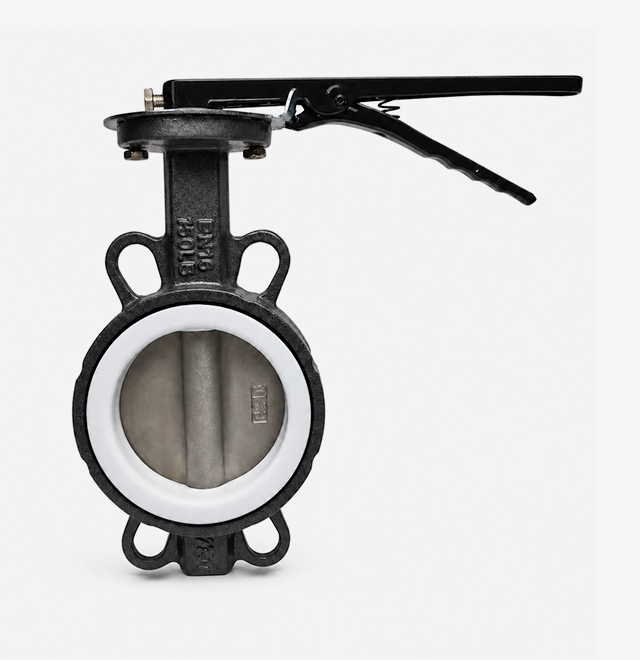
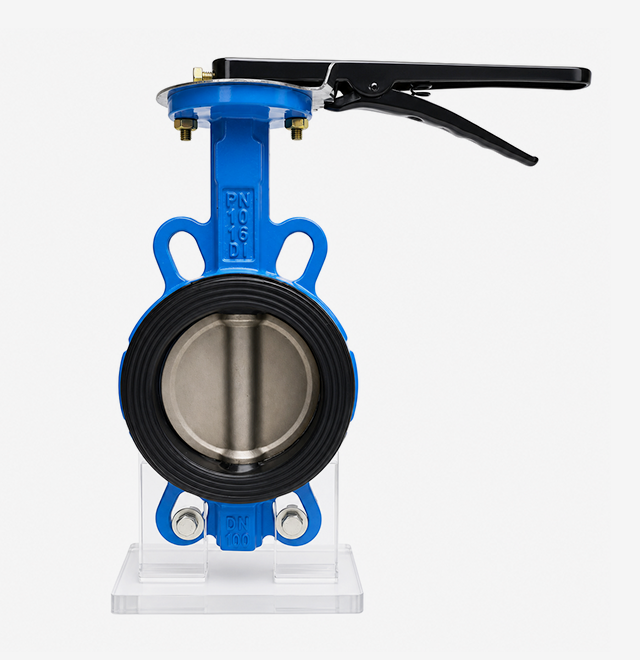
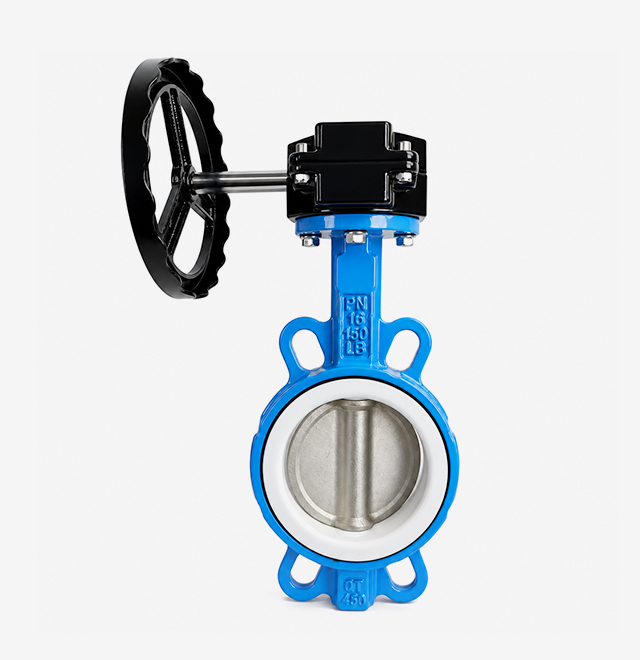
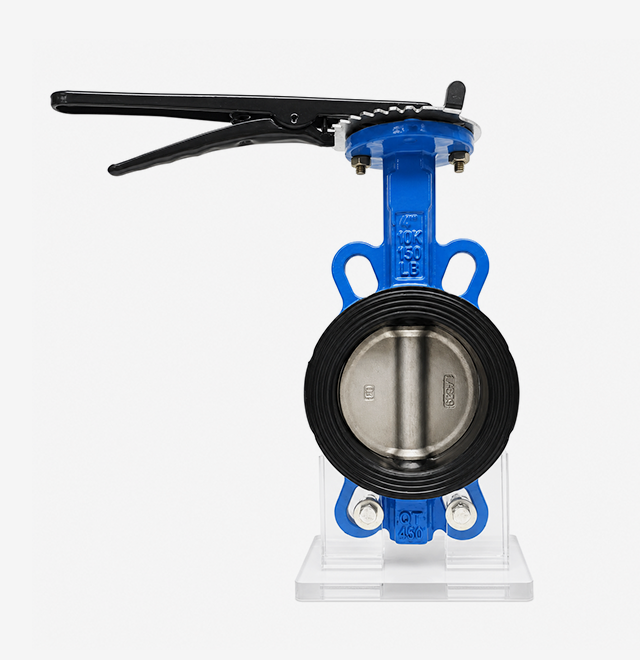
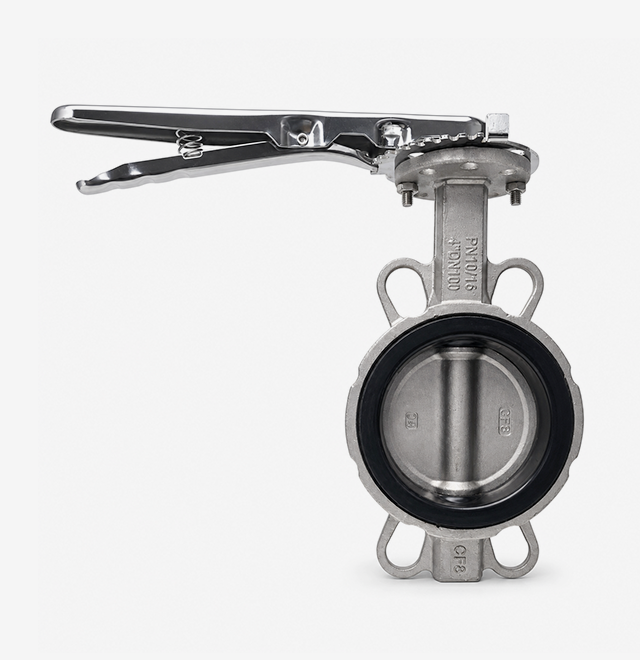
PTFE Seated Lever Operated Wafer Butterfly Valve - Corrosion-Resistant Manual Control Solution
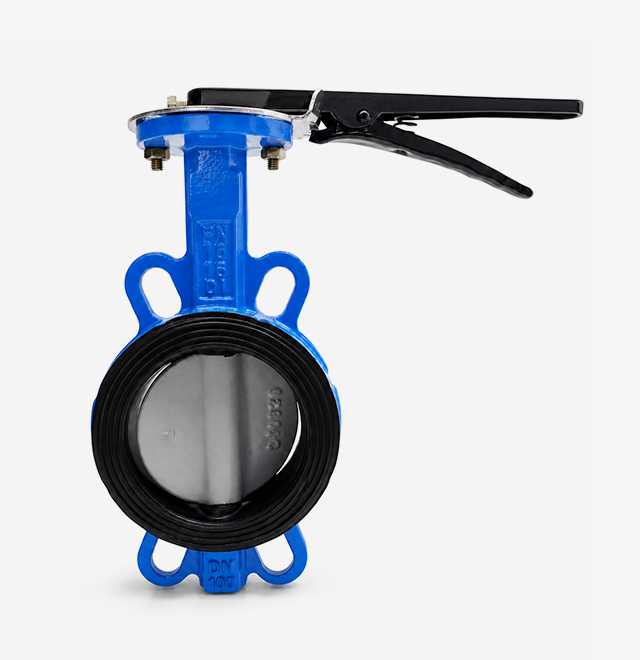
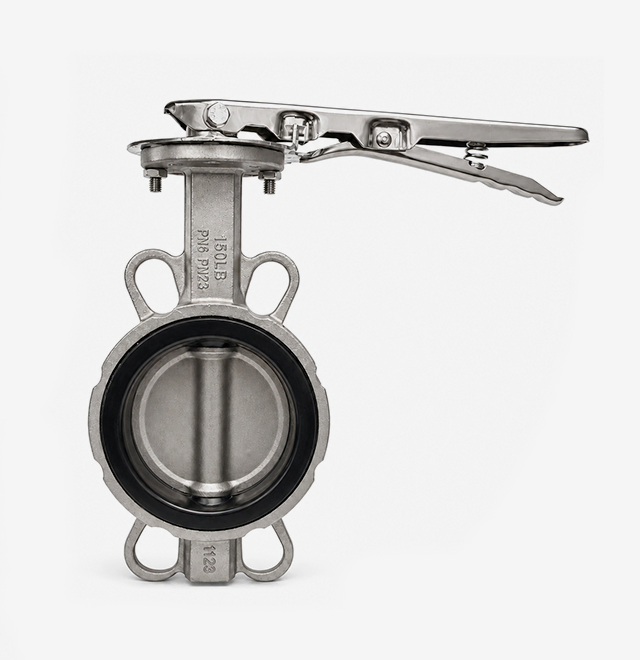
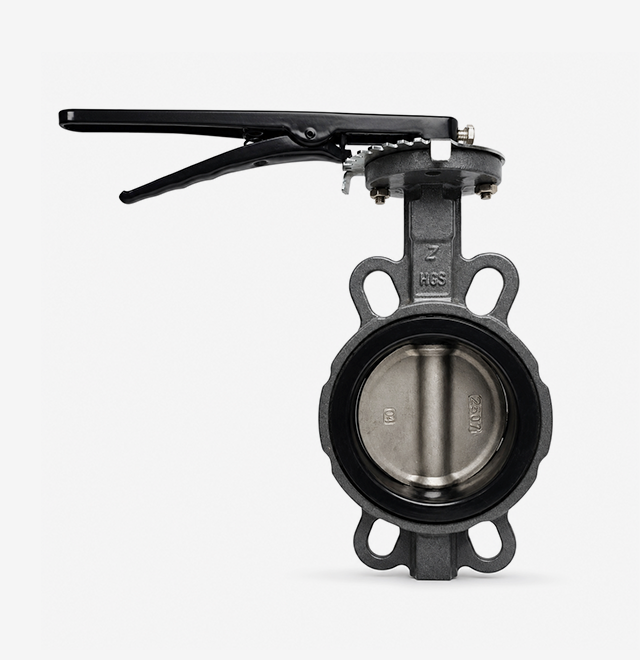
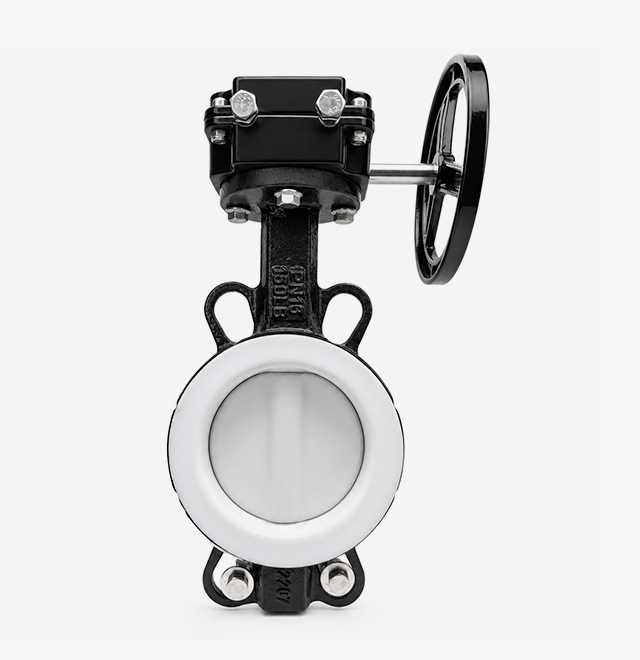
The PTFE Seated Lever Operated Wafer Butterfly Valve is a small manual flow control valve suitable for demanding fluid applications in corrosive and high purity environments. This valve offers stable isolation and throttling where a normal elastomer seat fails. It is available in sizes DN50–DN300, rated at PN10/PN16 and operates at 0–145°C. The PTFE seat provides good chemical inertness and reduced friction. A wafer body is easily sandwiched between pipe flanges saving space and weight. It is offered with ductile iron, WCB, SS304 and SS316 bodies. It can be used in many kinds of industrial applications. Valves production - since 2006.
Technical Specifications
| Parameter |
Details |
| Connection Type |
Wafer |
| Size Range |
DN50 – DN300 |
| Working Pressure |
PN10 / PN16 |
| Body Material |
QT450 / WCB / CF8 / CF8M |
| Disc Material |
Ductile Iron / CF8 / CF8M |
| Seat Material |
PTFE / EPDM / NBR |
| Shaft Material |
Q235 / 2Cr13 / 304 / 316 |
| Temperature Range |
0 – 145°C |
| Medium |
Water, Sewage, Air, Neutral Liquid |
| Operation |
Handle / Gear / Electric / Pneumatic |
| Actuator Mounting |
ISO 5211 |
Why Choose This Valve?
A lever opens or shuts the valve with a quarter turn. That is quick. No extra cost comes with it. You also need no added mechanical parts. Smaller diameter systems, usually DN50 to DN200, often do better with a lever than a gear operator on price and efficiency.
Five shaft parameters get checked during manufacturing. Shaft diameter is one. Tolerances are another. Shaft-end configuration and disc-to-shaft connection get checked too. Assembly torque also gets checked. Watching these closely cuts sticking and uneven wear. Sealing stays stable over time as well.
Before we send any quotation, six parameters get verified. Size is checked. Pressure and medium are checked too. Temperature matters. So does connection standard. Quantity is checked as well. This catches selection mismatches early. You also avoid needless rework.
Material Selection and Chemical Compatibility
Seat material choice has a direct effect on how long a valve lasts. Acids, alkalis, and solvents in a wide range are handled well by PTFE. EPDM or NBR seats would break down fast in the same service.
Does PTFE fit your process? The medium you run still makes that call. Concentration matters. So do temperature and permeation risk. We check the body, disc, shaft, seat, and lining against your real operating conditions before the order is confirmed.
Dealing with aggressive corrosive media? Send the exact chemical name. Include the concentration, temperature, and pressure too. That gives us what we need to narrow down the material recommendation.
Key Advantages
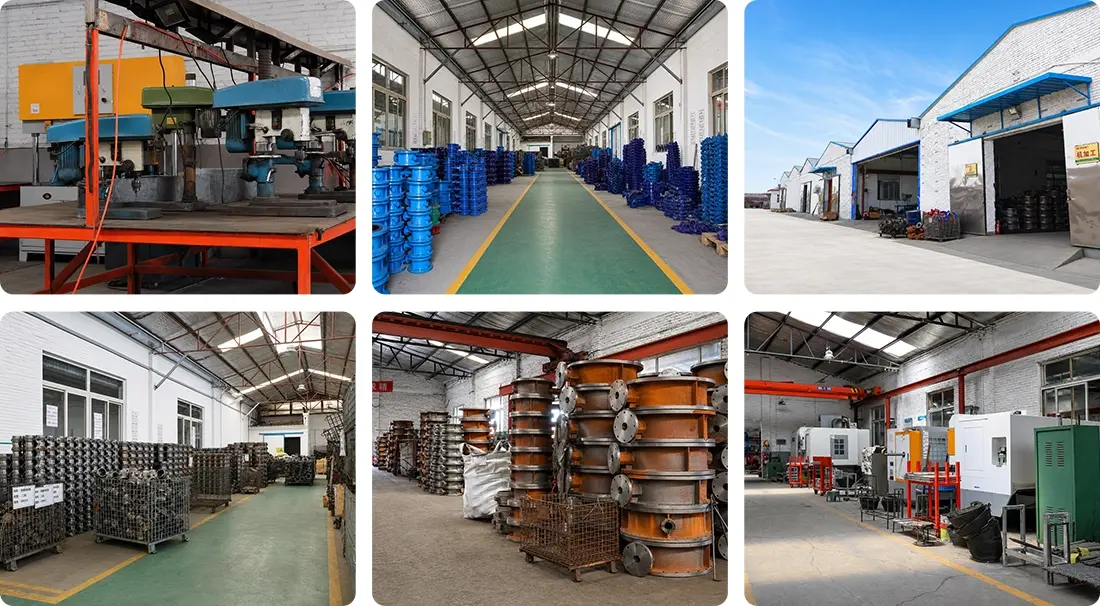
- We ship straight from the factory. Pricing stays competitive, and no middleman adds markup
- Ductile iron, WCB, SS304, and SS316 are the body material options
- MOQ is flexible. Trial orders work, project procurement works, and bulk wholesale works
- OEM/ODM is offered. You set dimensions, materials, markings, and packaging
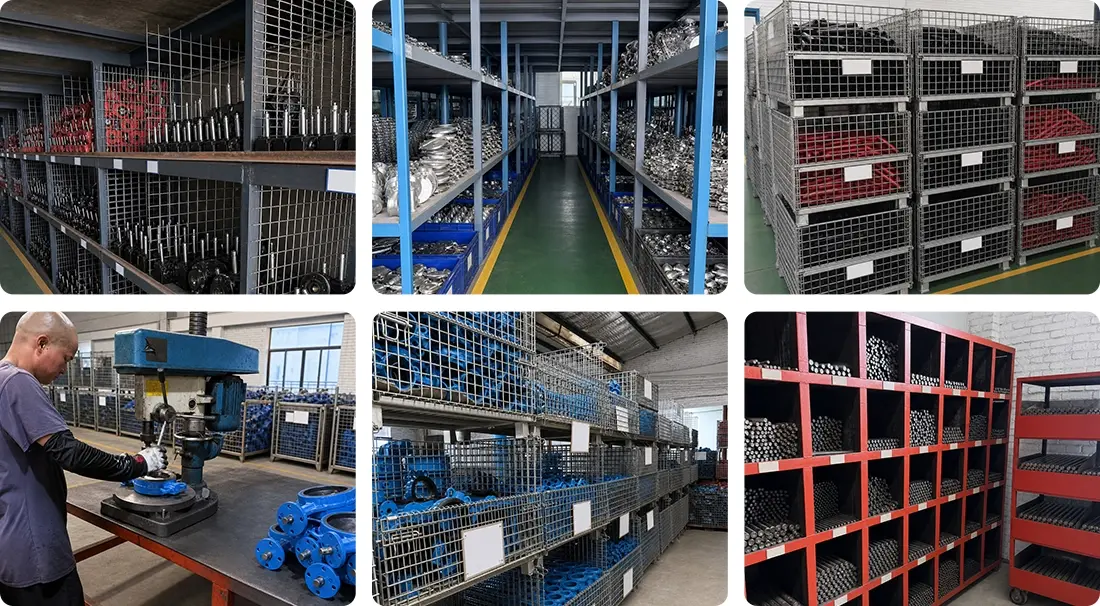
- We make shafts in-house. Dimension control is tighter. Multiple valve brands get long-term supply from us
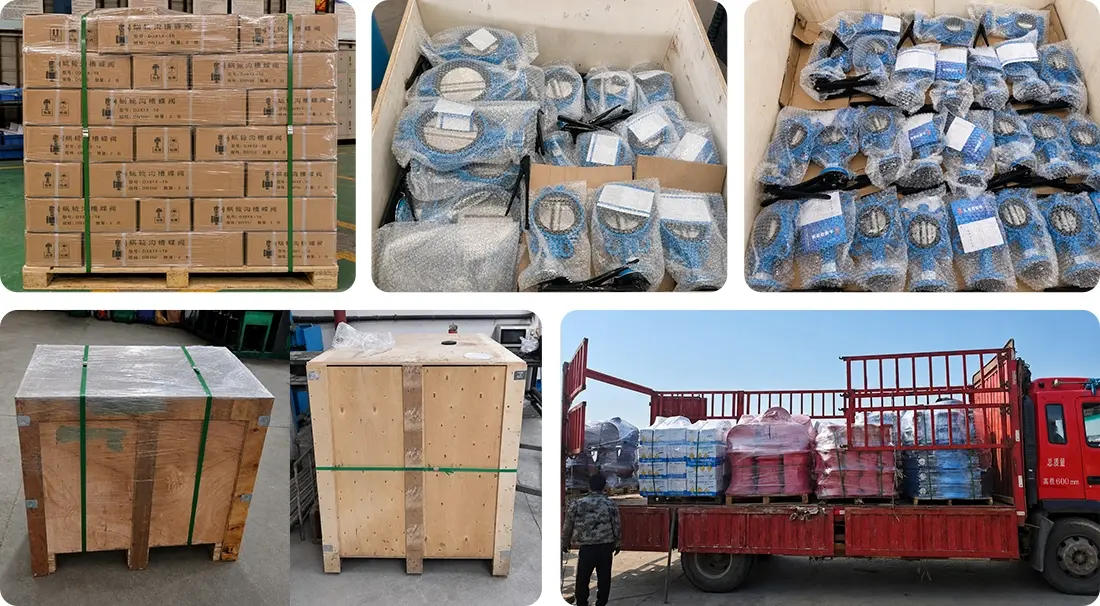
- For export, goods go in wooden cases. The product stays intact during international shipping
- During business hours, tech support answers within 1 hour
Application Scenarios for PTFE Seated Lever Operated Wafer Butterfly Valve
Plenty of systems can use this PTFE Seated Lever Operated Wafer Butterfly Valve. The seat is made of PTFE. That pays off most where chemical resistance matters.
Typical applications include:
- Water treatment and wastewater. It copes with brine, with treated water, and with mildly corrosive effluents
- HVAC systems: tight mechanical rooms are where the small frame fits
- Chemical processing pipelines: it handles a wide range of harsh process media
- Industrial process piping: it fits air systems, clean water, and neutral liquids
- Fire protection lines: we can supply setups that match your system
Start with the medium you really handle when you pick a product. Working pressure for the PTFE Seated Lever Operated Wafer Butterfly Valve matters. So does temperature. The connection standard counts too. Site conditions play a part as well.
FAQ
Q: How should valve materials be chosen when the media is corrosive?
A: Give us the chemical name, exactly as it reads. Concentration is needed as well. Temperature and pressure matter here too. No material gets suggested until the chemical compatibility check is done. We look at the body first. The disc and the shaft get the same look. Then come the seat and the lining.
Q: Is PTFE suitable for my medium?
A: Many corrosive chemicals are handled well by PTFE. Every case is different, though. Concentration plays a big role. So does temperature. Permeation risk needs a thought as well. How the whole valve is built counts too. Send over your operating conditions. Compatibility gets confirmed before any quote goes out.
Q: Could we add gear or actuator operation to the valve later?
A: Yes. Your process requirements can change down the line. The ISO 5211 actuator mounting standard keeps upgrades to gear, pneumatic, or electric actuation on the table.
Q: What is the maximum pressure rating?
A: PN10/PN16 is the rating on this valve. Need something higher? Raise it while the valve is being selected.
Q: Can you provide OEM service?
A: Yes. OEM and ODM work is something we take on. Drawings or samples give us a starting point, and project requirements work just as well. Custom dimensions are no problem. So is the choice of material. We also handle coatings and markings. Packaging can be adjusted to suit.
Q: What is the lead time?
A: Standard customized products generally require 7–15 business days. Qualifying in-stock orders can be dispatched the same day or the next day. Delivery time depends on order quantity and specifications.
Contact Us
Ready to source reliable corrosion-resistant butterfly valves with PTFE Seated Lever Operated Wafer Butterfly Valve? Contact us at youweipan@tangzhengvalves.com.