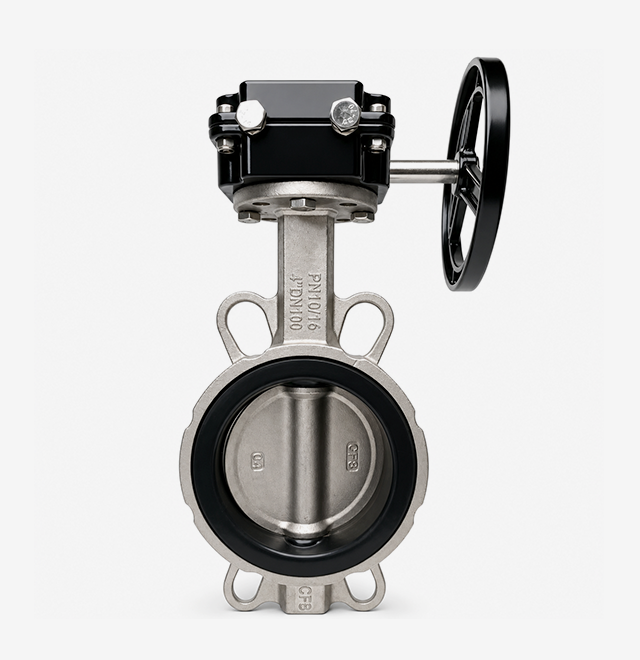
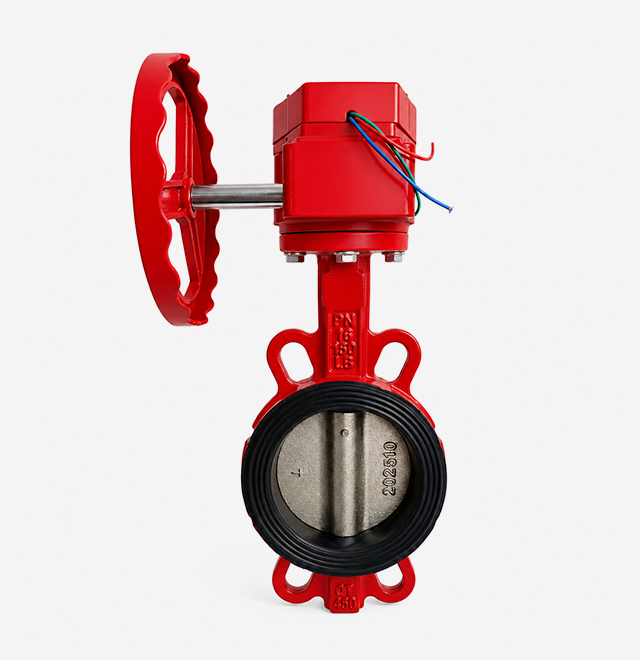
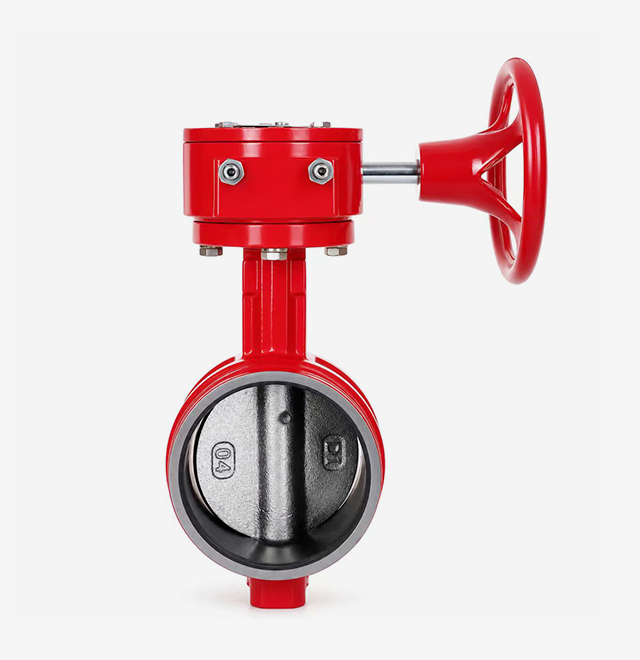
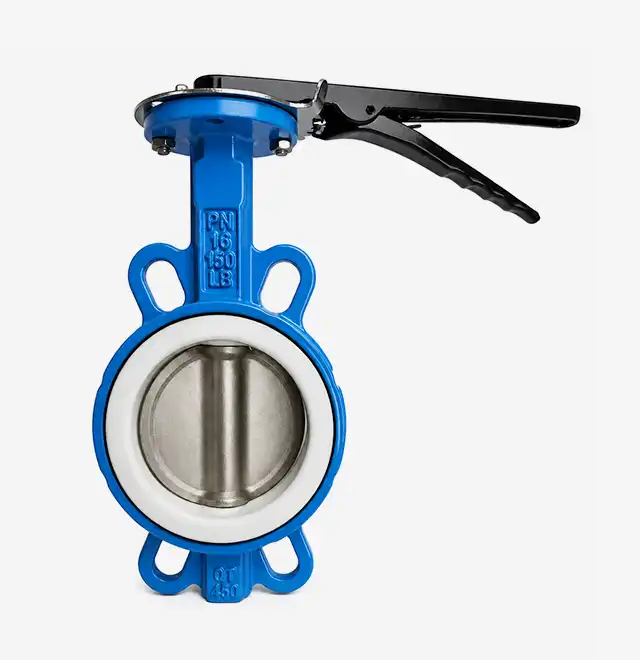
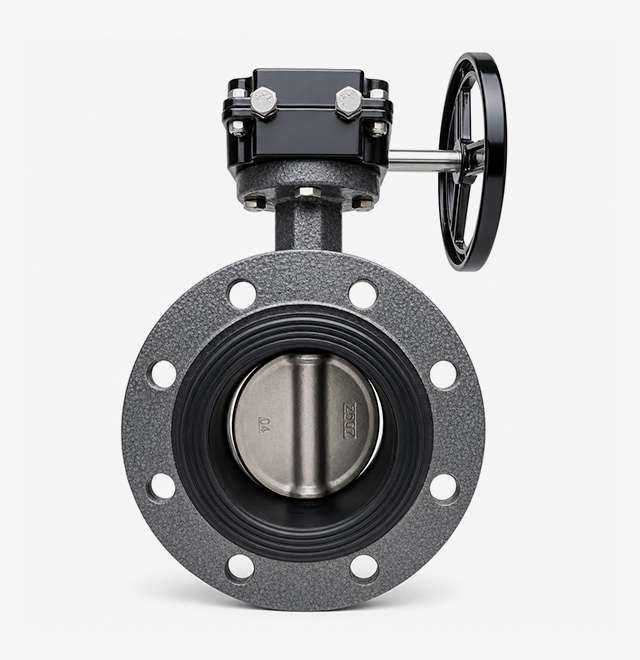
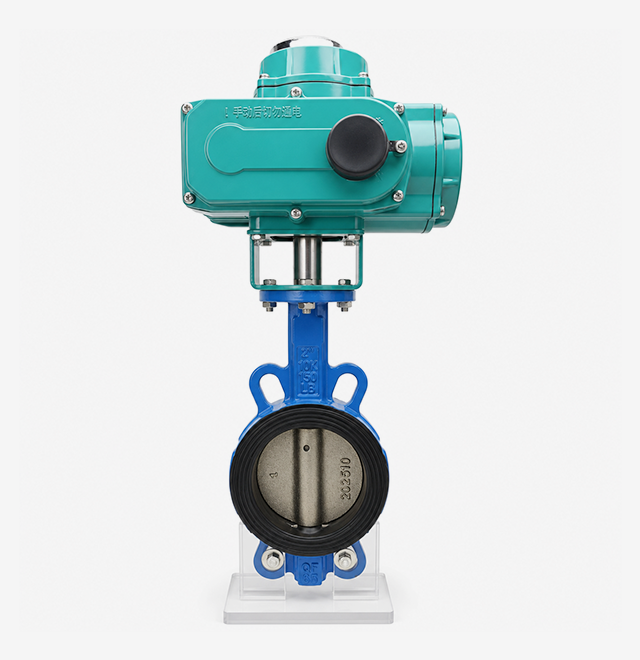
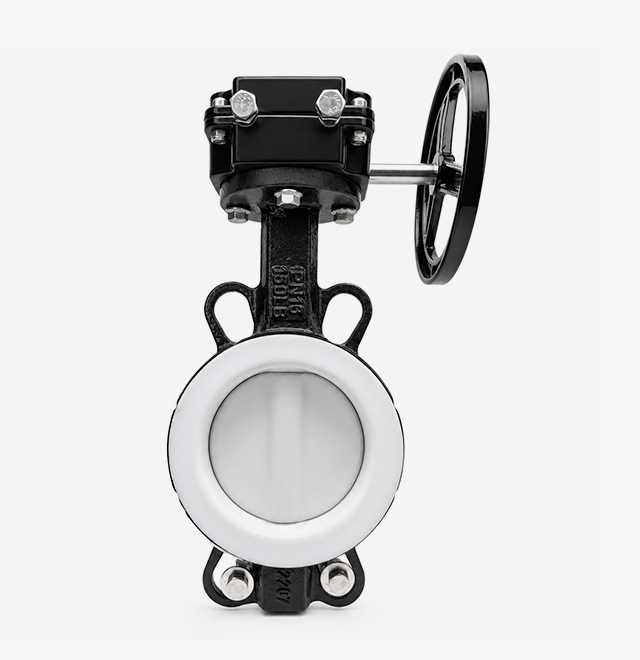
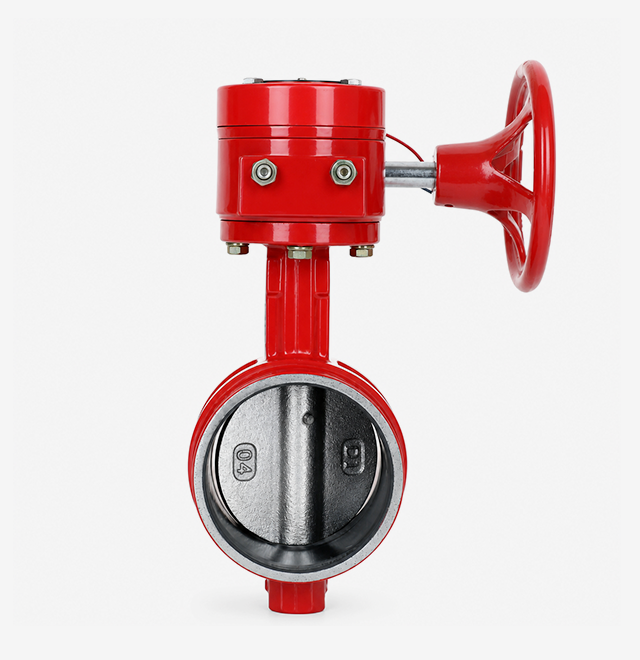
In an EPDM seated wafer butterfly valve, the disk edge rotates around 90 degrees, pressing against a soft EPDM seat, thereby preventing leakage. This contact provides a continuous seal around the bore and may offer tight shut-off, as long as the valve, seat compound, pressure, temperature and test process are appropriate. The seat absorbs slight surface imperfections, and the stem seal prevents leakage down the shaft. The body lies between two pipe flanges, so it's as important to have the bolting right and the piping clean as it is the rubber. This handbook has been written for purchasers, designers and installers who specify these valves for water and wastewater projects.

How an EPDM Seated Wafer Butterfly Valve Seals Against Leaks
What Leakage Risks Does the Valve Address?
Leakage loses fluid, disrupts line pressure, loads pumps, invites contamination, and necessitates unscheduled shutdowns. The vast majority of leaks come from a limited list of issues: a worn seat, incorrect size, a misaligned disk, debris trapped in the seat, pressure or temperature outside the rating, badly aligned flanges, or a seat material that isn’t compatible with the fluid. An EPDM seated wafer butterfly valve closes the seat-to-disc route — the most prevalent internal leak channel. Its pieces function together. The body houses the seat; the bore is sealed by the disk; the disk is turned by the stem; bearings keep it aligned; and torque is applied by a handle, gear or actuator. Any one portion might be a vulnerability in a drip.
How Does the Disc Compress the EPDM Seat?
When I shut the valve the disk spins till the edge touches the seat. The disk is slightly bigger than the aperture in the seat and this causes the rubber to compress and generate a ring of contact pressure. Line pressure on the upstream side may help to seal the disk and seat together. EPDM is elastic, thus it fills small scratches, casting marks on the disk edge. The stem seal is located outside the valve and prevents leaking along the shaft. TZD verifies disk to seat fit during machining and assembly, and then runs shell and seat leak tests as per approved inspection plan prior to shipping. In this way the EPDM seated wafer butterfly valve may accomplish required shut off performance provided seat, fluid, pressure and temperature are acceptable.
Why Should Isolation and Throttling Stay Separate?
A butterfly valve may isolate or control flow, but the two functions wear the seat differently. In intermediate locations, the fluid accelerates through the tiny gap along the edge of the disk. This creates turbulence and scratches the seat quicker for sandy or heavy cycle service. For this reason I recommend employing an EPDM seated wafer butterfly valve mostly as an on/off device and only maintaining partial positions where the design requires it. If you have a line that requires regular regulation, mention a gear operator or an actuator with position control and ask for the flow data. Keep throttling short in grit-laden sewage and flush the line upon commissioning.
EPDM Seat Material and Performance Ratings
Why Is EPDM Used for Water and HVAC Service?
EPDM is ethylene propylene diene monomer. It is resistant to ozone, weather, UV radiation and aging and retains its suppleness throughout many open-close cycles. Those features are well suited for water treatment, chilled water and condenser water loops, irrigation and municipal supply and drainage. Chloramine-treated water may be compatible with certain EPDM compounds, but exact water chemistry, temperature and compound approval must be verified. One authorized seat material for supply and drainage lines may help reduce site spares. Suitability still relies on the substance, temperature and chemical concentration. EPDM seated wafer butterfly valves should be checked against the manufacturer's compatibility table for steam, strong chemicals and unusual media before specifying.
When Should You Choose NBR, PTFE, or Viton Instead?
EPDM does not tolerate oils, fuels, or hydrocarbon lubricants. EPDM seats may swell or soften when exposed to sewage containing grease or oil, or compressed air with oil mist. NBR could fit certain oil services in these circumstances. PTFE or FKM might be suitable for specified chemical or higher temperature service, if compatibility is confirmed. TZD supplies wafer butterfly valves with EPDM, NBR, PTFE and FKM seats. Please specify the exact media, temperature and any impurities before ordering. We may use a brief list of the contents of the fluid to indicate a mismatch before the valves get to the spot, not after the first leak.
Which Ratings and Test Records Should You Check Before Ordering?
When I look at a tender for an EPDM seated wafer butterfly valve I start with the rating: PN10 or PN16, diameters DN50 to DN800 (approximately NPS 2 to 32), flange standard, face-to-face length and ISO 5211 actuator installation. Then I ask for the test logs. EN 12266-1 defines test methods and acceptance criteria. The procurement specification shall indicate the specified test pressure, duration and leakage rate.Do not claim 0% visible leakage unless dictated by the accepted test designation.
Mind the temperature. The allowed temperature is individual to the type and compound, do not apply a single temperature number for all EPDM valves. Many common EPDM compounds have a continuous temperature limit about 120°C, however the exact limit is determined on the compound, pressure, medium and time of service. Please write tender amount as per specified duty range and also seek chosen compound data sheet for help. For drinking water, get the necessary market approval such as NSF/ANSI/CAN 61 in the United States and Canada and ensure that the certification includes the precise valve, wetted materials, configuration and temperature category.
Installation, Maintenance, and Common Leak Causes
How Do You Install the Valve to Prevent Leakage?
Before installation of EPDM seated wafer butterfly valve verify size, PN rating, seat material, actuator and flange standard against order. Scrape weld slag, rust and scale off the inside of the pipe and flange faces. One hard particle might damage the seat. A wafer valve has not any independent end constraint thus keep the flanges parallel and maintained. The valve is slipped in between the flanges, opening the disk slightly so as not to squeeze the seat face. The disk is centered with the bolts and rotated to check clearance with the pipe wall. Do not install additional gaskets unless specified by the manufacturer or by the project requirements. Slowly, in a cross pattern, tighten the bolts to the specified torque, cycle the valve, and check for leaks under pressure.
How Can Maintenance Teams Reduce Leakage?
Periodic examination of flange joints, the stem region, the disk edge, the condition of the seat and the operating torque is where a well-maintained EPDM seated wafer butterfly valve begins. Match interval to severity of service and frequency of cycle. More torque might indicate seat swelling, scaling or a damaged bearing. Many seat problems early in service are attributed to sand, scale and weld contaminants. Flush new systems before initial use. Check air pressure and limit switch adjustments of pneumatic devices. Check the torque settings and limit switches on electric actuators. If leak continues, determine kind of leak prior to part replacement. Seat leakage occurs beyond closed disk. Flange leakage occurs at joint Stem leaking occurs at shaft. For a flange leak, disconnect and depressurize the line before examination. Retorque or replace sealing parts only as directed by the manufacturer. TZD provides real replacement parts and remote video support for troubleshooting.
Which Mistakes Cause Most Leaks?
- Choosing EPDM for oily media. Grease in sewage or oil mist in compressed air attacks the rubber and softens the seat. Switch to NBR or another seat when the fluid carries hydrocarbons, and confirm the full list of fluid components with the supplier before you release the order for the whole project quantity.
- Over-tightening bolts or adding gaskets. Extra clamping force pushes the EPDM into the flow path, which makes the valve stiff to turn and can pinch the seat. Follow the recommended bolt torque, tighten in a cross pattern, and let the seat face act as its own gasket.
- Using a wafer valve at the end of a line. A wafer body relies on downstream piping to hold pressure, so it is generally not recommended for dead-end service unless the manufacturer provides a written end-of-line rating for the specific model, size, pressure, and installation condition. Choose a lug-type butterfly valve or another design rated for end-of-line service, and confirm the bolt arrangement against the flange standard.
Undersized actuators and mismatched face-to-face lengths cause similar trouble, so check both during the technical review.
How an EPDM Seated Wafer Butterfly Valve Compares and Where It Works
How Does It Compare with Lug, Gate, and Offset Valves?
Because the wafer body uses less material and occupies less space than a lug valve, it is lighter and less expensive to install. Unless rated in writing by the manufacturer, it is not normally acceptable for line-end servicing, or one-side pipe removal. A butterfly valve frequently shuts quicker than a robust seated gate valve and may be used to control flow if specified for that task. The disk will be in the flow path. Double offset and triple offset valves are suitable for greater pressure, higher temperature or harsher chemical duty than a concentric robust seat. A concentric EPDM design may be adequate for normal water and sewage at PN10 or PN16 if pressure, temperature, media, approvals and operating duty are within the limits of the product datasheet.
Where Is It Commonly Used?
Typical applications include water treatment, potable water distribution, chilled water and condenser water systems, irrigation, fire protection lines, cooling tower modules and general plant pipes for water, sewage, air and neutral liquids. The small face-to-face length is a plus when pipe weight or plant-room space is at a premium. The project needs system approvals and supervision accessories required for fire protection lines. At saltwater or corrosive locations, examine the disk, stem, fasteners and coatings, not only the seat. Disks may be made of ductile iron, SS304, SS316 and aluminum bronze. The chosen disk, stem, fasteners and coatings should be tested against the site medium and corrosion conditions.
Where Does It Fit in Municipal Water and Wastewater Projects?
Municipal EPC purchasers sometimes request hundreds or thousands of valves for one project, on supply and drainage lines. If the same design is allowed for both systems, a single family of EPDM seated wafer butterfly valves may simplify the number of brands and spare-part kinds to handle. Tender reviewers ask three questions: what leakage test is on record, what temperature figure does the seat support and are there potable approvals for the seat. Have those answers written down before you hand them in. Project references may be made available for inspection if appropriate. Do not include a named project unless the reference and scope can be established. Staged delivery may be scheduled to match civil works progress and our team works with project purchasers to manage manufacturing and shipment timetables.
Selecting an EPDM Seated Wafer Butterfly Valve Supplier
How Should You Write the Specification?
The fluid and its concentration, the temperature, the pressure, the flow rate, the size of the pipe, the standard of the flange and the shut-off need. Choose whether the valve will isolate, throttle or both. Then choose the body, disk, stem, seat and operation. Size actuators for breakaway, running and seating torque + safety margin. • Write the temperature value in the tender as the duty range. Make sure the seat data sheet supports the temperature. Don’t only look at unit pricing, look at lifetime cost. A seat failure might cost you more in excavation and downtime than the price difference between two quotations.
What Product Configuration Does TZD Offer?
TZD can supply EPDM seated wafer butterfly valves with wafer connections in sizes DN50 to DN800 at PN10 or PN16, subject to model and configuration confirmation. The body possibilities include ductile iron, WCB, CF8, and CF8M. Ductile iron, stainless steel and aluminum bronze are the possible choices of disk. Q235, 2Cr13, 304 and 316 are the possible choices of shaft. The seat materials may be EPDM, NBR, PTFE, FKM, see each model material identification and data sheets. The operation may be handle, gear, electric or pneumatic. Actuator interface available to suitable ISO 5211 dimensions, subject to model confirmation. We examine 5 points of the shaft: diameter, tolerances, end configuration, connection disk with shaft and assembly torque. This decreases sticking and uneven wear, decreasing the possibility of sealing difficulties.
How Does TZD Support Project and OEM Orders?
Tianjin Tangzheng Valve Co., Ltd. was founded in 2006, and our production history stretches back to 1998. Our location can offer machining, assembly, inspection, warehousing and packaging assistance as per confirmed order scope. Stock availability, manufacturing lead time, technical response time, warranty term, OEM/ODM specifics and export packing are subject to quote or contract. We can do OEM/ODM orders based on your designs or samples for materials, dimensions, connection types, coatings, labeling and packaging.
Conclusion
An EPDM seated wafer butterfly valve prevents leakage as the disk edge compresses an elastic seat and the stem seal restricts shaft leakage. The seal only lasts when the seat is right for the fluid: EPDM may be okay for suitable water, treated water and HVAC loops, but greasy sewage or oil-contaminated compressed air may need NBR or another compatible seat. Check real media and compound data for selection. The tender file must include ratings, shell and seat test records, a supportable temperature figure and the correct potable approvals. Once installed, the seal is protected by clean pipes, parallel and supported flanges, proper bolt torque and frequent inspection. This concentric design is a workable solution for normal water duty at PN10 or PN16. One valve family may fit both supply and drainage lines.
FAQ
1. Can this valve be used with compressed air?
Possibly, if the air quality, temperature, pressure, and EPDM compound are compatible and the air carries no oil or hydrocarbon contamination. Confirm the seat manufacturer’s compatibility data before selection.
2. Why is my valve hard to turn after installation?
Over-tightened flange bolts, misalignment, debris, or extra gaskets can squeeze the EPDM seat into the flow path. Isolate and depressurize the line before inspection, then follow the recommended gasket practice and bolt torque in a cross pattern.
3. Can I use it for end-of-line service?
Not normally. A wafer body generally needs downstream piping to hold pressure unless the manufacturer provides a written end-of-line rating for the specific model and installation. Use a lug-type butterfly valve or another design rated for end-of-line service.
4. What information do you need to recommend a configuration?
Send the pipeline DN, working pressure, medium, temperature, connection standard, operation method, installation conditions, and quantity. We will review them and recommend a suitable setup.
Request an EPDM Seated Wafer Butterfly Valve Quote from TZD
If you are comparing an EPDM seated wafer butterfly valve supplier, email TZD at youweipan21@gmail.com with your DN size, PN rating, medium, temperature, quantity, connection standard, and delivery port. We can review the requirements and provide a quotation for confirmed models, materials, documents, and lead time.

References
1. ANSI/AWWA C504 Rubber-Seated Butterfly Valves, American Water Works Association, 2023 edition
2. EN 593 Industrial Valves – Metallic Butterfly Valves, European Committee for Standardization, 2017
3. EN 12266-1 Industrial Valves – Testing of Metallic Valves, Part 1: Pressure Tests, European Committee for Standardization, 2012
4. ISO 5211 Industrial Valves - Part-Turn Actuator Attachments, International Organization for Standardization, 2026 edition
5. API Standard 598 Valve Inspection and Testing, American Petroleum Institute, 11th edition, 2023
6. NSF/ANSI/CAN 61 Drinking Water System Components - Health Effects, NSF International, 2025 edition