When choosing a CF8 wafer butterfly valve for corrosive media, start with the fluid, not the catalog. Check the chemical, strength, temperature, chlorides, and any solids. Then make sure that the body, disk, shaft and seat are all compatible with that fluid. CF8 is generally viewed as a cast 304 type stainless steel grade but material equivalency and compatibility must be verified against the stipulated standard. It may be suitable for certain light chemicals and treated water but not every acid, caustic cleaning or chloride containing service. Then match the pressure rating, flange standard, and actuator to your line. Finally request written material and test documentation.
A rusted-out cast iron valve is a common sight in many factories. It is only sensible to replace it with a CF8 wafer butterfly valve if the grade is compatible with the fluid. This is how I help buyers through that decision.

Start With the Valve Design and Grade
How a CF8 Wafer Butterfly Valve Is Built
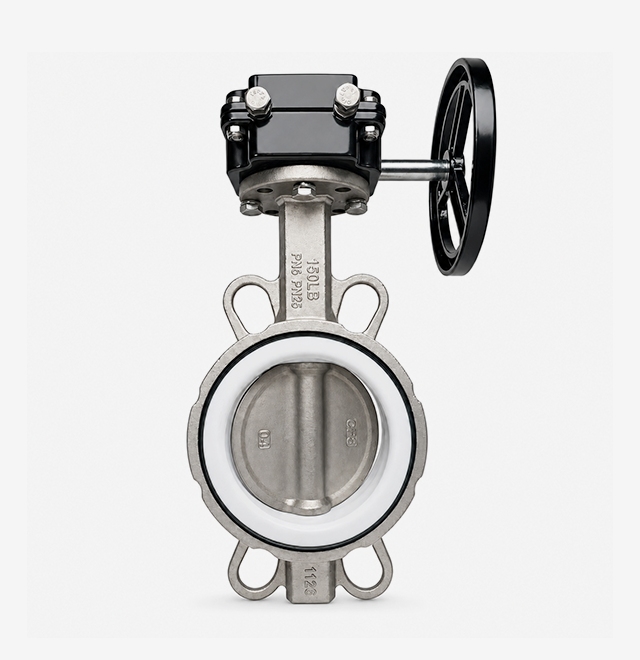
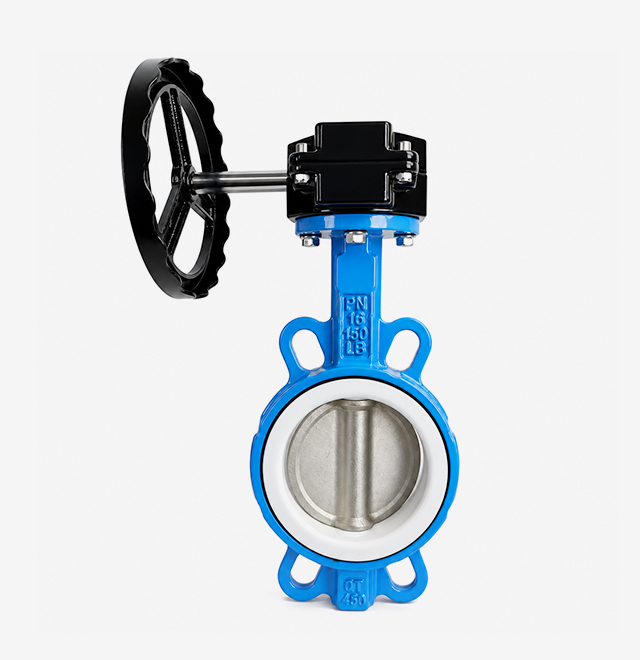
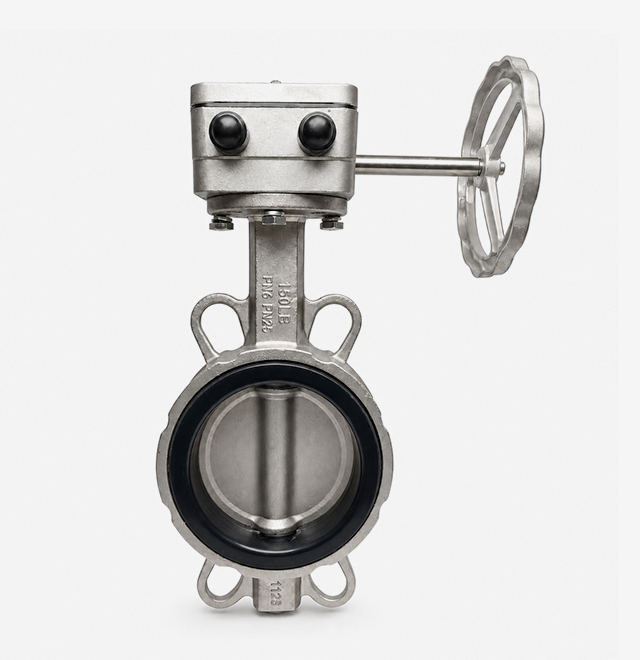
CF8 wafer butterfly valves are quarter turn valves. A disk on a shaft rotates around 90 degrees to open or shut the line. The body is sandwiched between two pipe flanges . The flange bolts keep it in place . This arrangement keeps the valve short, light and simple to remove during a shutdown. We quote a valve range of DN50 to DN300 in PN10 or PN16, subject to model confirmation. If required, the CF8 casting may be supplied to the necessary ASTM A351/A351M criteria; however, the specific chemistry must be validated on the material certificate rather than assumed from a general 18% chromium and 8% nickel description. The seat is sealed to the disk, therefore seat compatibility and temperature typically affect service life.
CF8, CF8M, and the SS317 Label Problem
counterpart of 304-type stainless steel. CF8M is often thought of as the cast equivalent of 316-type stainless steel, and includes molybdenum which may increase resistance to certain chloride and pitting conditions. SS317 is another alloy. If the datasheet displays CF8 in the parameter table but SS317 in the summary line, don't guess. Request the provider to rectify the paperwork in writing before you place the purchase. Compare the grade on the quote, the drawing and the material certificate. Project specification 3. All 3 should find the necessary grade for the body and the disk.
When a Wafer Style Fits and When a Lug Style Does
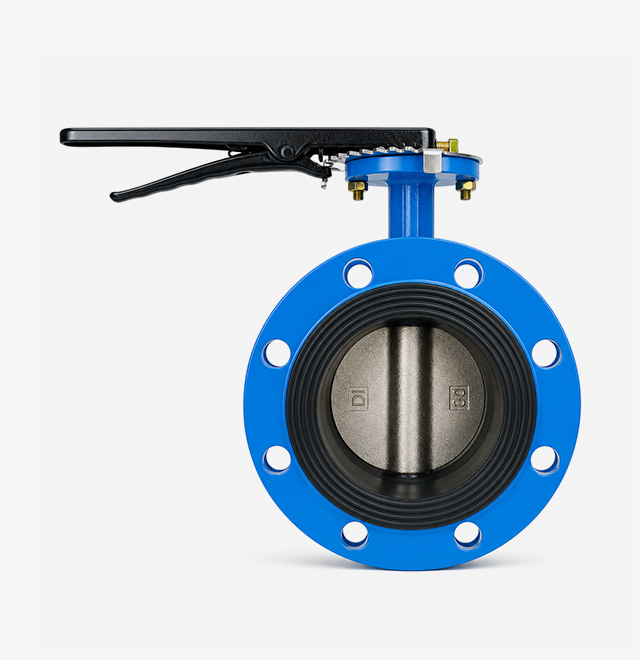
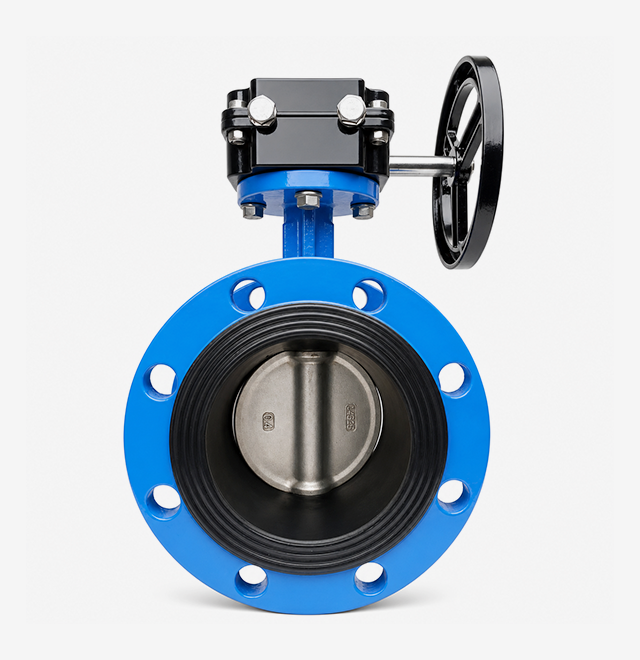
Wafer valves are meant to be mounted between flanges on both sides. Wafer type valves are often lighter and more compact than lug or double flanged varieties. Do not assume a normal wafer valve is acceptable for end-of-line or dead-end duty. Use a lug butterfly valve or other design with a specified end-of-line rating for the particular size, pressure and installation situation. You may also use a lug body to drop one side of the pipe, if the manufacturer's rating permits it. The bolt alignment, proper support of the pipe and clearance for the disk must be carefully thought out on wafer bodies. Our portfolio comprises wafer, lug, flanged, double-flanged and grooved butterfly valves, subject to model confirmation.
Define the Corrosive Media Before Choosing Materials
Collect the Process Data First
Start by making a small data sheet for each line. Specify chemical name, concentration, pH, temperature, operating pressure, presence of solids. Add the cleaning chemicals, since a line that handles a light product might yet have hot caustic or acid washes. Note the pressure spikes and the frequency of the valve cycling. Our published data on CF8 wafer butterfly valve shows a temperature rating of 0 to 123°C with PN10 or PN16 for certain models. Model particular values and compare your peak and continuous temperatures to the seat compound, pressure-temperature chart and printed data sheet. Give your process engineer the data early. The engineer decides on the compatibility, and the maintenance team has to live with the decision.
Check Acids, Alkalis, Salts, and Cleaners
CF8 will work well with clean water, neutral liquids and chosen moderately corrosive media under the right circumstances. Some dilute alkaline cleansers and some oxidizing acids are compatible under mild circumstances, however this should be confirmed against a corrosion chart. Hydrochloric acid is usually hostile to stainless steel of the 304 type and chloride containing fluids may induce pitting or crevice corrosion depending on concentration, temperature, flow and shape. A fluid suitable at 20°C may not be acceptable at 80°C. Before selecting a CF8 wafer butterfly valve, consult a published corrosion chart such as the Outokumpu Corrosion Handbook. If the outcome is minimal, talk to your process engineer about CF8M, duplex stainless steel or any other alloy.
Food, Pharma, and Clean-Line Cautions
Stainless steel will provide you a corrosion-resistant surface for clean media, but stainless alone does not constitute a valve food-grade. The seat, shaft seals, coatings and any lubricant that touches the product must also be considered. Information presented on the CF8 wafer butterfly valve does not specify FDA or EU 10/2011 compliance. If your line will contact food or medicinal product, inquire in writing which materials, seat chemicals, surface finish, cleaning technique and paperwork apply before you buy. Sanitary grade construction is a different spec than a regular CF8 casting. A written response safeguards your audit file.
Match Seat, Rating, and Actuation to the Line
Pick the Seat for the Fluid
The seat contacts the fluid on every cycle so pick wisely. TZD provides EPDM, NBR, PTFE and FKM seats. EPDM is frequently good for water and air but may be damaged by oils and various chemicals. Some oil-based media may be suitable for NBR and some chemical, fuel or oil services may be suitable for PTFE or FKM. Compatibility is determined by the particular substance, concentration, temperature, pressure and cycle conditions. PTFE is harder than rubber therefore it seals differently and may need more force. Unless specifically rated for steam, standard EPDM is typically not acceptable for steam, save for the particular compound and the whole valve. Always verify the seat with your actual media and operating circumstances.
Confirm Pressure, Temperature, and Flange Fit
Temperature and pressure class are a pair. Available from DN50 to DN300 in PN10 and PN16 for certain models. Range: 0 to 123 °C depending on seat, pressure and data sheet. If your line runs hotter or requires class 150 flanges please let us know before you buy so we can ensure fit. Check the flange standard, bolt pattern and face to face length. ISO 5752:2021 defines face-to-face dimensions for various flanged valves and API 598 addresses valve inspection and testing. Wafer valves are centered on the flange bolts, therefore the flange faces must be parallel and the diameter of the pipe must clear the disk.
Choose the Right Actuation for Your CF8 Wafer Butterfly Valve
Depending on the model we provide handle, gear, pneumatic and electric operation. A handle is suitable for tiny valves that are seldom used. Torque is added using a gear operator in greater sizes. Pneumatic actuators cycle swiftly where the factory has clean instrument air. Electric actuators are suitable for isolated installations or lines without air. Mounting pad and connection may be to appropriate ISO 5211 specifications for compatible models. Refer to product design for flange size, coupling and bolt pattern. Let us know the differential pressure, cycle rate and fail location. Add an appropriate torque margin . A too small actuator may stall , and a too large actuator may harm the shaft , seat , or valve.
Compare Alternatives and Apply Industry Rules
CF8, CF8M, Duplex, and Cast Iron
Cast iron has low initial cost and is well suited for use with non-corrosive utility water. In moist or corrosive service it rusts through fast, and many plants replace it. A CF8 wafer butterfly valve costs extra but resists corrosion and many mild chemicals. CF8M is more expensive, again, and handles chlorides better. Duplex stainless steel takes it even farther in seawater and chloride duty. Duplex stainless steel is not one of this valve’s stated materials. Compare cost of ownership not purchase price. One unforeseen outage might erase the savings you got by going with the lower grade. We provide this valve with a CF8, CF8M, QT450 ductile iron or WCB body.
Chemical, Pharma, and Food Plants
Dilute acids, alkalis and cleaning solutions may be used in chemical facilities. CF8 may be suitable for certain chosen mild services, but CF8M, PTFE, duplex stainless steel or some other alloy will be needed for more hostile situations. Pharma, food factories add cleaning cycles, verify the CIP chemicals and seat compliance. If circumstances are right, CF8 bodies with EPDM seats may also be utilized in water treatment and HVAC lines that commonly transport treated water or chilled water. Fire protection lines will need the proper certifications and listings, so verify them individually. The media we list are water, sewage, air and neutral liquids. Anything outside of that has to be reviewed in writing with our staff.
Seawater and Chloride Limits for a CF8 Wafer Butterfly Valve
CF8 most typically fails early in seawater. Chloride ions damage the protective coating of 304 stainless steel and stagnant water in gaps makes the assault harsher. Running saltwater is not so bad as standing seawater, but both need looking after. CF8M, duplex stainless steel or other saltwater rated alloy may be needed for continuous seawater service, subject to technical assessment. The provided listing does not include salt-spray test results or classification-society approval. If you want witnessing testing or particular permission, please inform us before purchase. CF8 would be OK on a short low risk branch line, but be sure to log it with your engineer.
Verify Supplier Quality and Build a Clear RFQ
Check Testing and Material Documents
Ask the supplier about its testing. Our approved inspection procedure might comprise incoming material inspection, machining and assembly inspection, hydrostatic shell and seat testing, sealing performance testing and final inspection before export packaging. Applicable inspection and operational papers are available with each order if part of the quote or inspection plan. If your team requires heat numbers, material certifications, PMI or spectrographic reports, please request these in writing with your RFQ and clarify what ships with your batch. A short trial order may assist your staff check the material you’ve delivered. However, the handheld analyzer is no replacement for the material certificate or certified batch records.
Avoid Common Installation Mistakes
Installation, rather than casting, causes most early failures. Teams name "stainless" without the grade, ignore the seat inspection, or trust pressure class without testing temperature. Flange misalignment, uneven bolting and a disk hitting the pipe bore might cause damage to the seat on site. Open the disk a little before clamping, so as not to pinch the edge. Support hefty actuators so they do not put a stress on the shaft. 2. Where stainless valves are linked to carbon steel lines, there is a danger of galvanic corrosion in an electrolyte-containing service. Therefore, it is important to evaluate the materials of the pipe and flanges and consider electrical isolation, appropriate gaskets and proper bolting. Most faults are identified in a cycle test before commissioning.
Write an RFQ That Gets a Correct Quote
A clear RFQ saves days. Size, pressure rating, medium, concentration, temperature, flange standard, quantity and operation type are listed. Add the body, disk and seat quality you anticipate. Add any paperwork requirements. Before we can provide you a quotation we will confirm 6 details size, pressure rating, medium, temperature, connecting standard and quantity. CF8 Wafer Butterfly Valve. Compare estimates on similar basis for each valve, actuator, accessories, testing, paperwork, packaging, freight. Then add extra seats, and lead time, to get the real cost.
Plan Stock and Delivery Around Your Shutdown
Lead time is as important as pricing – shutdown windows are just days away. We may maintain safety stock of chosen standard models, and qualified in-stock orders may ship same day or next day subject to confirmation. The normal lead time for bespoke items is 7 to 15 business days, depending on specifications, inspection and manufacturing schedule. If your closure begins in four weeks, submit the order early and agree on the manufacturing timeline. Spare components are available depending on the model chosen. Warranty conditions are as per the final estimate or contract, including the start date and scope as negotiated.
Conclusion
When dealing with a corrosive medium, the CF8 wafer butterfly valve is all about matching the overall valve to the fluid. CF8 is a cast 304 type stainless grade, suitable for clean water, neutral liquids and chosen mild chemicals, where the concentration, temperature and pressure are compatible. CF8M, duplex stainless steel, or other higher alloy may be required based on an engineering study of chlorides, hydrochloric acid and continuous saltwater. The seat also requires its own check: EPDM for suitable water and air, NBR for certain oils, PTFE or FKM for chosen chemical or fuel services. The pipe should be specified for the pressure rating, flange standard, actuator attachment and pressure-temperature data. Grade labels should correspond on the quote, drawing and certificate Food-contact lines need formal proof of compliance Accurate RFQ and transparent process data ensure the replacement valve doesn’t become the next failure.
FAQ
1. What is the difference between CF8 and CF8M?
CF8 is 304 stainless steel. CF8M is 316 and contains molybdenum, which improves resistance to chlorides and pitting. Choose CF8M for seawater or chloride-heavy media.
2. Which seat should I choose for corrosive media?
EPDM may suit compatible water and air. NBR may suit selected oil-based media, while PTFE or FKM may suit selected chemical applications. Your medium, concentration, pressure, temperature, and cycle conditions decide the final choice.
3. Can a CF8 wafer butterfly valve work at the end of a line?
Not normally. A standard wafer valve is generally not recommended for end-of-line service unless the manufacturer provides a written rating for the specific size, pressure, and installation condition. Use a lug butterfly valve or another design rated for that service.
4. Can I use it for steam?
Only if the complete valve has a written steam-service rating covering the body, seat, pressure, temperature, and actuator. Standard EPDM is generally unsuitable for steam, and the listed 0 to 123°C range must not be treated as a steam rating.
5. What should I send for a quote?
Send the pipeline DN, working pressure, medium, temperature, flange standard, operation type, and quantity. We match the configuration from those details.
Request a CF8 Wafer Butterfly Valve Quote From TZD
Need a CF8 wafer butterfly valve manufacturer who checks your media before quoting? Send your medium, concentration, size, pressure, temperature, and flange standard to TZD at youweipan21@gmail.com. We aim to reply within one business hour during business hours. In-stock and customized delivery times are subject to confirmation of the specification, inspection, production schedule, and logistics.

References
1. ASTM International, Standard Specification for Castings, Austenitic, for Pressure-Containing Parts (ASTM A351/A351M), 2018
2. Outokumpu, Corrosion Handbook (10th Edition), 2009
3. International Organization for Standardization, ISO 5752 Metal Valves for Use in Flanged Pipe Systems: Face-to-Face and Centre-to-Face Dimensions, 1982
4. International Organization for Standardization, ISO 5211 Industrial Valves: Part-Turn Actuator Attachments, 2017
5. American Petroleum Institute, API Standard 598 Valve Inspection and Testing (10th Edition), 2016
6. Crane Co., Flow of Fluids Through Valves, Fittings, and Pipe (Technical Paper No. 410), 2009