To make a ductile iron wafer butterfly valve last longer, it must be inspected according to the relevant maintenance schedule, installed between properly aligned flanges and operated within its rated pressure and temperature. Clean body and disk, lubricate permitted parts only and run a controlled functional cycle following servicing. Replace worn seats before leaking becomes intolerable and maintain a written record for each valve. TZD: Tianjin Tangzheng Valve Co., Ltd. Model Confirmation Our nominal pressure is DN50-DN300, PN10/PN16.

Why Maintenance Matters for a Ductile Iron Wafer Butterfly Valve?
Why Proper Maintenance Protects Your Margin
Low weight, small size and quarter-turn action demonstrate the value of ductile iron wafer butterfly valve. Flow is isolated and regulated for water treatment, HVAC, irrigation, fire prevention and industrial piping. However, the same causes cluster failures: corrosion, coating degradation, inappropriate media, seat wear, disk blockage, actuator problem and flange misalignment. They cost money each. Unscheduled shutdowns mean work stops. Emergency replacements are more expensive than planned service. An early failure also means refunds and dissatisfied clients for the distributor. Regular inspections and written records of a preventative program may avert tiny faults from becoming leaks.
Know the Construction Before You Service It
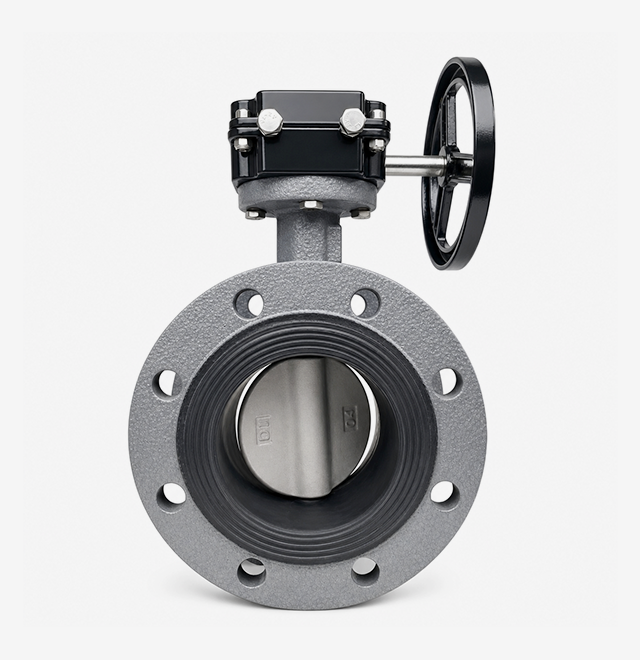
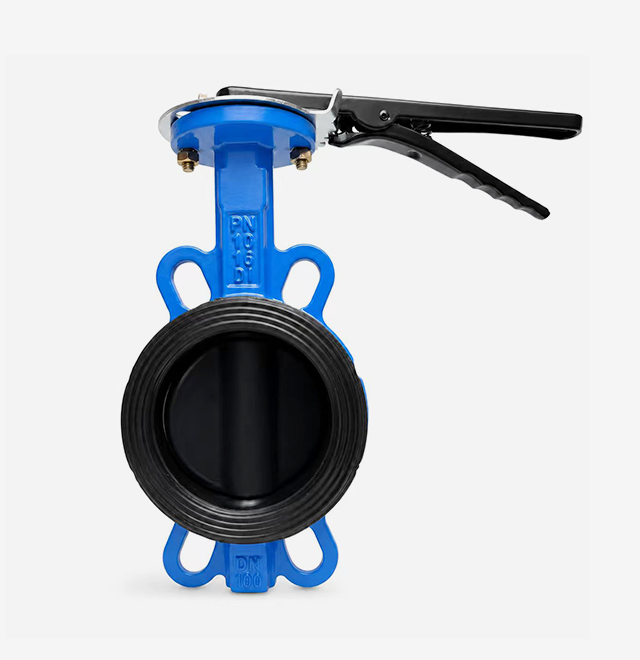
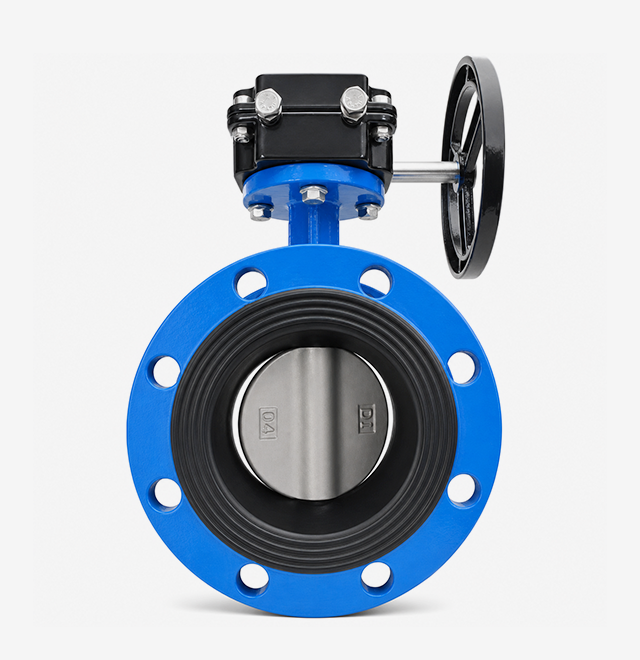
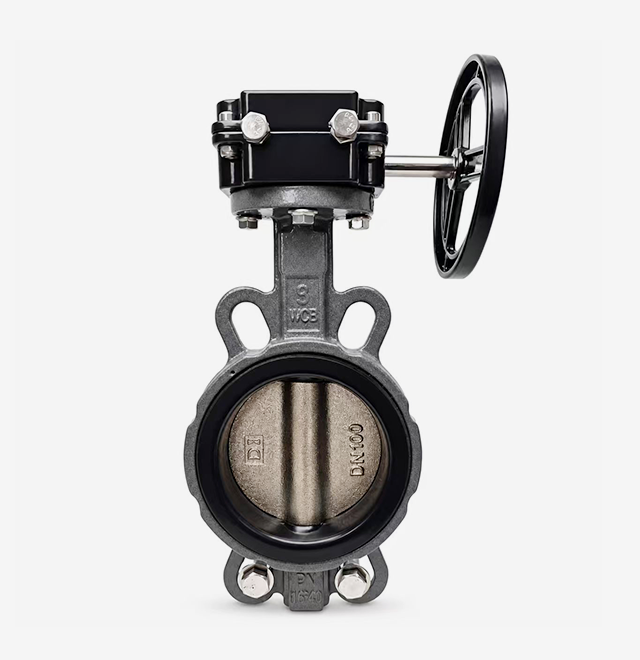
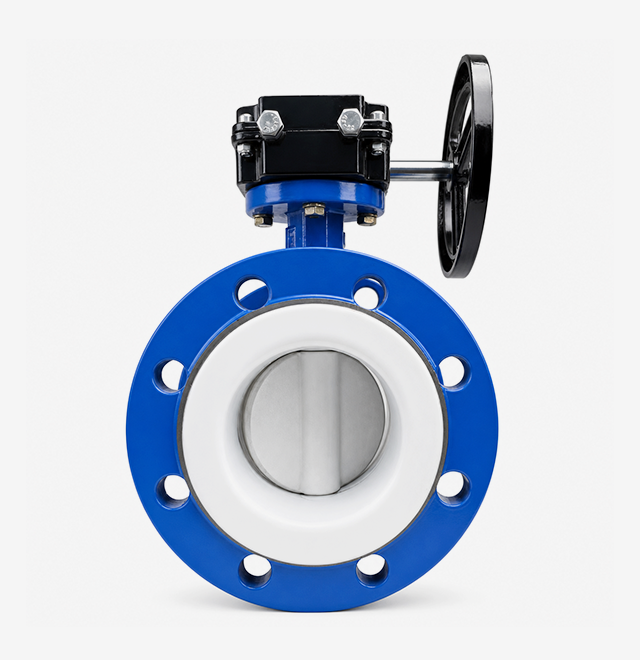
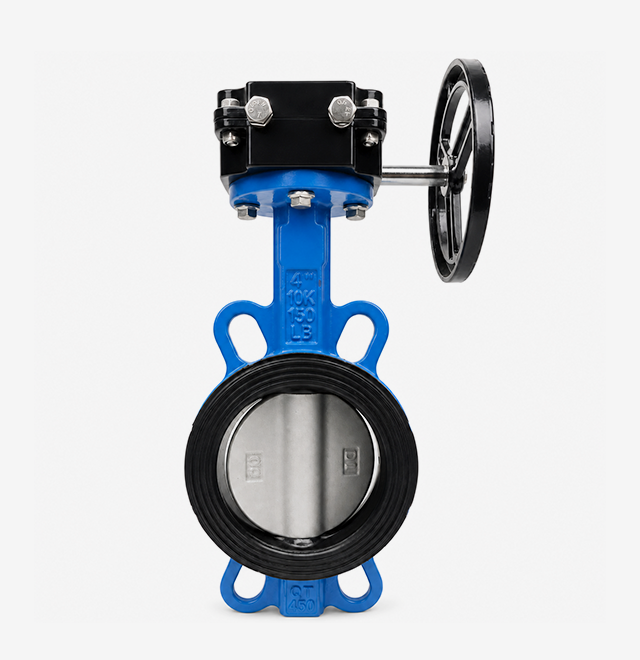
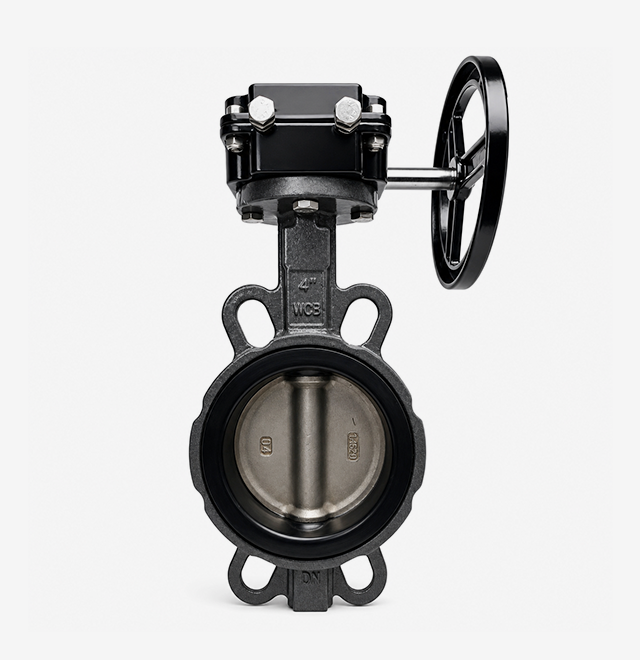
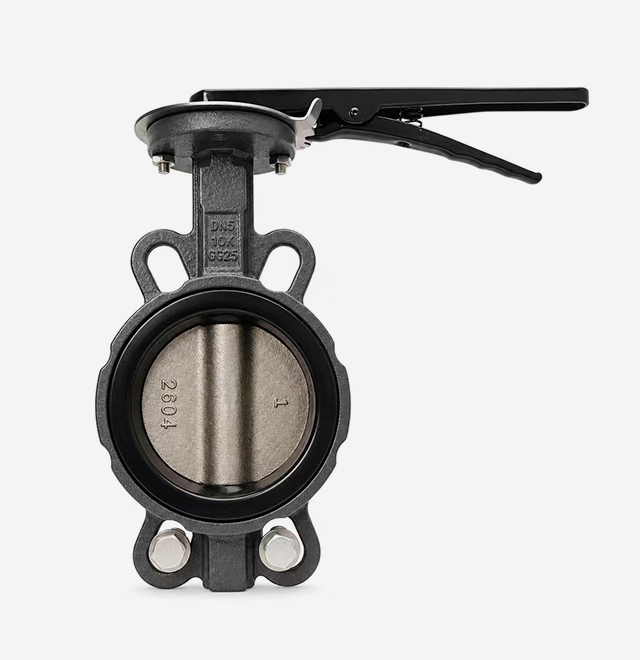
Good maintenance begins with understanding the parts. A ductile iron wafer butterfly valve has a body, disk, shaft, robust seat, operator and flange bolts. The disk is turned on the shaft about 90 degrees to open, throttle, or close the line. Two pipe flanges sandwich the wafer body and through bolts hold it in place. Ductile irons generally have better ductility and toughness than gray cast irons . Resistance to pressure spikes and hydraulic transients depends on the valve design and grade . Before any service check size, pressure class, temperature, medium and flange standard. These facts define spare parts, torque values and limit of operations.
Match the Configuration to Your Maintenance Plan
Material choices alter what you see. Our declared range of ductile iron wafer butterfly valves is DN50-DN300 at PN10/PN16, subject to model confirmation. Temperature limit is a function of body, seat medium, pressure, datasheet. Don’t use 0-120°C as a universal limit. Bodies may be made of ductile iron, WCB, CF8 or CF8M and disks can be in ductile iron, stainless steel or aluminum bronze. The seats may be made of EPDM, NBR, PTFE or FKM. You may control compatible models by: handle, gear, electric or pneumatic actuator. The actuator interface may be the suitable ISO 5211 dimensions for compatible models. Check the mounting drawing. EPDM, NBR, PTFE and FKM all need a compatibility assessment for the actual medium, concentration, pressure and temperature.
Build a Routine for Inspection, Installation, and Operation
Set an Inspection Schedule That Fits the Service
A maintenance program should be in accordance with the relevant edition of NFPA 25, manufacturer’s instructions, site risk assessment and local authority standards. Operators may undertake regular visual inspections looking for observable leaks, noise, vibration, pressure swings, and handle or actuator position. Flange bolts, alignment, body coating, actuator connections, travel restrictions and operating torque should be checked in detail as suitable to the service. During a scheduled shutdown, isolate, lock out and tag out, drain, depressurize and ensure zero energy before checking interior parts. Refer to the current version of NFPA 25 and the manufacturer’s instructions for fire-protection lines. Keep one journal for each valve, recording identification, materials, findings, repairs and replacement dates.
Install the Valve Correctly the First Time
Seats are damaged early by poor installation. Check flow direction where appropriate, pipe location, disk clearance, actuator access, flange standard, pressure class and pipe support prior to bolting the ductile iron wafer butterfly valve in. Never use the valve to jerk a pipe into position. Keep the flanges parallel and centered, crack the disk open enough so the seat doesn't squeeze, and tighten the bolts crosswise, a little at a time. More gaskets may be required, per manufacturer’s directions. Ensure that the disk is free to swing and does not contact the pipe bore. Perform a controlled functional cycle after commissioning and check for leaks according to the project protocol.
Operate Within Rated Limits
Every day, operators safeguard a ductile iron wafer butterfly valve. Do not over-tighten the handle, and do not exceed the pressure rating or temperature restrictions given in the model data sheet. Close the valve at a pace that is acceptable for the system, since rapid closing might produce water hammer. For bigger sizes, a gear operator may allow for slower, more controlled closing. The butterfly valve may control flow if it has been chosen and authorized for control service; if the valve is for isolation only, do not use continuous throttling. Standard wafer valves are typically not advised for dead-end duty unless the manufacturer has a documented end-of-line service rating for the particular size and pressure.
Clean, Test, and Troubleshoot Your Ductile Iron Wafer Butterfly Valve
Clean and Lubricate With Care
Keep the outside of ductile iron wafer butterfly valve free of dirt, dust, salt and chemical residue since they harm coatings and speed up corrosion. Clean internal deposits, scaling and debris during programmed shutdowns without harming the seat or the disk. Use only manufacturer-approved lubricant on stems, shafts, gearboxes, and actuator parts. Unless authorized by the manufacturer, keep sealing surfaces dry. Before applying, ensure compatibility, since petroleum-based grease might harm EPDM rubber. Rubber ages too in the sun so screen outside valves and keep spares in a protected, dry spot.
Test Function After Every Service
After servicing, run the ductile iron wafer butterfly valve through a controlled functional cycle and check for sticking or roughness. Check actuator travel, limit switches, torque settings and control signals. Pressure or seat-leakage inspections only under authorized technique and with safe isolation. Factory shell and seat testing may be conducted following the agreed upon inspection plan and appropriate standard. API 598 is a valve inspection and testing reference, not an obligatory necessity for every field maintenance test. Compare authorized findings with baseline documented at commissioning. You may see an increase in torque or a little leak before a complete breakdown . Watching these data can help you plan repairs.
Troubleshoot Common Ductile Iron Wafer Butterfly Valve Problems
Begin with the easiest reason and go to the most difficult. If it leaks when closed, the seat is broken, there is dirt in it, it is set to the improper travel, or the material is not suitable. excessive torque may be caused by deposits, corrosion, excessive differential pressure, shaft misalignment or a badly set actuator. Should a leak develop in the flange or stem, inspect the gaskets, bolts, seals and alignment. Vibration, loudness and water hammer are indicative of excessive velocity, unsteady pumping or quick closure. Before opening anything, confirm safe isolation and write down what you uncover. Notes assist the next tech and help us provide you precise guidance when you submit us photographs or data.
Repair, Replace, and Adapt to the Application
Decide Between Repair and Replacement
Not every issue requires a replacement valve. Usually minor coating damage, loose hardware, worn gaskets, seats, stem seals and actuator accessories may be repaired during a controlled shutdown. Usually, a fractured body, heavily corroded casting, bent disk, damaged shaft or recurring seat failures indicate that it should be replaced. Ductile iron wafer butterfly valves should be replaced with same size, face-to-face dimension, pressure rating, materials, flange standard, and actuator arrangement. Stock extra seats, gaskets, seals and bolts for quick moving sizes. Don't compare purchase price alone; compare total cost of ownership. A cheap device that breaks twice will cost more than one that lasts.
Adjust Maintenance to Water, HVAC, and Fire Service
Approved materials, corrosion-resistant coatings, and consideration of chlorine exposure and deposits are necessary for water treatment and potable systems. Drinking-water standards in the US may need NSF/ANSI/CAN 61 certification for the product, wetted materials and configuration. Confirm approvals before purchase. Check actuator responsiveness following the service plan, since HVAC loops may cause moisture, insulation degradation, temperature fluctuations and unstable differential pressure. Fire protection valves should be accessible, properly labeled and in accordance with local codes and standards, with supervisory or tamper indication when applicable. Our valve can be built for various services, but each use has its own certified materials, paperwork and inspection cadence.
Plan for Sand, Sediment, and Chemicals
Irrigation and industrial lines may deliver sand, sediment, chemicals or abrasive materials. They wear out seats quicker, and a worn out seat may have to be replaced instead than repaired in the field. Shorten the inspection intervals. Stock extra chairs. Cover the outside installations, open sun ages rubber. For slurry service, we look at each instance. Please provide us particle size & hardness, solids concentration, flow velocity, pressure, temperature and flushing conditions. Abrasion-resistant wetted parts may be necessary. Choose the seat by real medium, concentration, temperature, pressure and cycle condition.EPDM may be used with appropriate water. NBR can be used with chosen oils. PTFE or FKM can be used with certain chemical services. Your actual media, climate and cycling should be the basis for spare parts planning.
Select the Right Ductile Iron Wafer Butterfly Valve and Follow a Checklist
Verify Specifications Before You Buy
Selection is the start of long service life. When purchasing a ductile iron wafer butterfly valve, take into account the nominal size, face to face dimension, pressure and temperature specifications, material compatibility, flange standard, actuation mechanism and inspection documentation. Ask them to provide the specific body grade and standard that applies to the quote.QT450-10 is not the same as ASTM A536 65-45-12. They are separate material designations and should not be considered interchangeable without proof. Get the material certificate, chemical-composition records and mechanical test data appropriate to the material. Grade 65-45-12 has a minimum tensile strength of 65 ksi, a yield strength of 45 ksi and an elongation of 12% in accordance with ASTM A536. Wafer, lug, gate and ball valves are suitable for diverse purposes. Choose by duty, rather than price.
Ask for Documents and Spare Parts Support
Before making an order, importers and project purchasers should acquire drawings, material certifications, test results, manuals, information on replacement parts, lead times and after-sales conditions. Tangzheng ductile iron wafer butterfly valve order is sent according to verified manufacturing & inspection scope. Where foundry work, machining, assembly, pressure testing and packaging are carried out by separate qualified facilities or suppliers, the relevant records and batch controls should be mentioned in the order papers. Stock standard models are sent same or next day. Custom orders normally take 7-15 business days depending on specification, inspection, manufacturing and logistics.After the quote or contract, the warranty conditions and length appear. Spare parts and trial purchases need model and order confirmation.
Use This Maintenance Checklist
Here is a short checklist your team can paste into its service log for each ductile iron wafer butterfly valve.
- Before commissioning: Verify the size, pressure rating, materials, flange standard, disc clearance, and actuator settings against the order. Record baseline torque and leakage results so later readings have a reference point. Photograph the nameplate and keep the drawings and material documents in the same file as the service log.
- During routine service: Watch for leakage, corrosion, vibration, noise, pressure, temperature, and operating frequency, and flag any change from the baseline. Clean outside surfaces, check flange bolts, and cycle valves that sit idle so the seat does not stick. Log every visit with the date and the technician's name.
- At planned shutdowns: Isolate and depressurize the line, inspect the internal parts, clean them, replace worn seals, and run controlled tests. Before restart, remove all tools and debris, confirm that connections are tight and position indicators are accurate, then record the results and the next service date in the log.
This routine keeps each valve near its commissioning condition and gives you proof of service history when a customer asks.
Conclusion
One significant repair doesn’t lead to a longer service life for a ductile iron wafer butterfly valve. Steady practices do. Knowing the construction, material possibilities and rated limitations drives every subsequent decision. Planned inspections, proper installation (parallel flanges), and operating within the specified pressure and temperature limitations may prevent premature failures. Sealing remains reliable so long as the tests follow an authorized process, and cleaning, acceptable lubricants, and functional and leakage checks are performed. Repair corrects minor defects, but broken bodies and recurring seat failures may need replacement, determined by overall cost. Water and HVAC and fire and sandy lines Each have their own rhythm of inspection and choice of seat. The plan also includes a documented checklist, clear material ratings, and accompanying documentation.
FAQ
1. How often should I inspect a ductile iron wafer butterfly valve?
Frequency depends on the medium, pressure, temperature, cycles, site conditions, manufacturer’s instructions, applicable NFPA edition, and local requirements. Perform visual checks and detailed inspections at intervals appropriate to the service, and carry out internal inspection during a planned shutdown when required by the maintenance program.
2. Can I throttle with a butterfly valve all the time?
It can regulate flow, but continuous throttling speeds up seat, disc, and actuator wear. Use it mainly for isolation.
3. Why does my valve leak when closed?
Common causes include debris, a damaged or incompatible seat, a wrong travel setting, or misalignment. Clean the valve, inspect the seat, and check the travel before you replace anything.
4. Can a wafer valve work at a dead end?
Not normally. A standard wafer valve is generally not recommended for dead-end service unless the manufacturer provides a written end-of-line rating for the specific size, pressure, and installation condition. Use a lug-type butterfly valve or another design rated for that service.
Request a Ductile Iron Wafer Butterfly Valve Quote from TZD
Tianjin Tangzheng Valve Co., Ltd. provides valve manufacturing, machining, assembly, inspection, and documentation support according to the confirmed order scope. Our ductile iron wafer butterfly valve may be used in water treatment, wastewater, HVAC, fire protection, and compatible industrial pipeline applications when the required materials and approvals are confirmed. The stated range is DN50–DN300 with PN10/PN16 nominal ratings, subject to model confirmation. Body, disc, seat, and operating combinations depend on the selected configuration. Manual, gear-operated, electric, and pneumatic variants are available on compatible models.
Tangzheng offers multiple valve models, OEM/ODM customization, technical support during product selection, and after-sales service, subject to the confirmed scope. Standard customized items typically require 7–15 business days, while qualifying stock models may ship in one to two days, subject to confirmation of inspection and logistics. We can help identify appropriate materials, review operating conditions, and explain installation and maintenance requirements. If you are sourcing a butterfly valve for a new project or to replace existing pipeline equipment, contact us at youweipan21@gmail.com. Send the size, pressure rating, medium, temperature, flange standard, and operating method, and we will prepare a product suggestion and quotation based on the confirmed requirements.

References
1. AWWA Manual M49: Quarter-Turn Valves: Head Loss, Torque, and Cavitation Analysis, 2012
2. ANSI/AWWA C504: Rubber-Seated Butterfly Valves, 2023 edition
3. ASTM A536: Standard Specification for Ductile Iron Castings, latest edition or the edition specified by the project
4. ISO 5211: Industrial Valves - Part-Turn Actuator Attachments, 2026 edition
5. API Standard 598: Valve Inspection and Testing, 2016
6. NFPA 25: Standard for the Inspection, Testing, and Maintenance of Water-Based Fire Protection Systems, current edition or the edition adopted by the project