Wafer End Butterfly Valve | DN50–DN800 Industrial Flow Control Solution
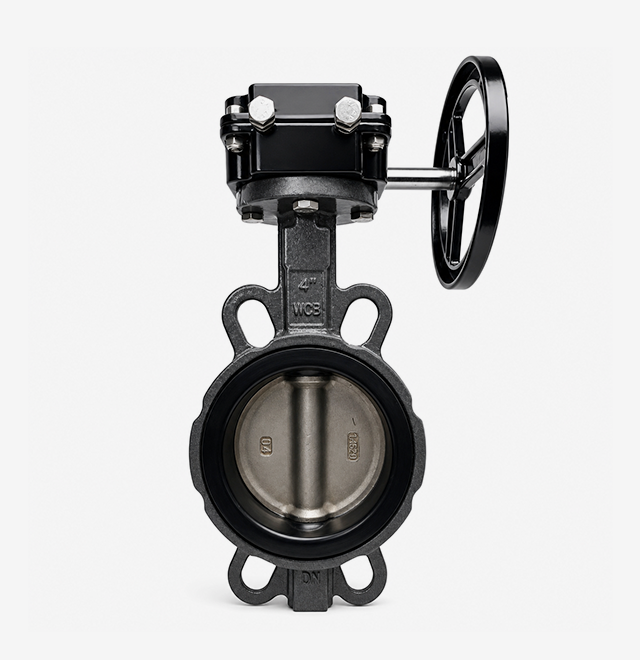
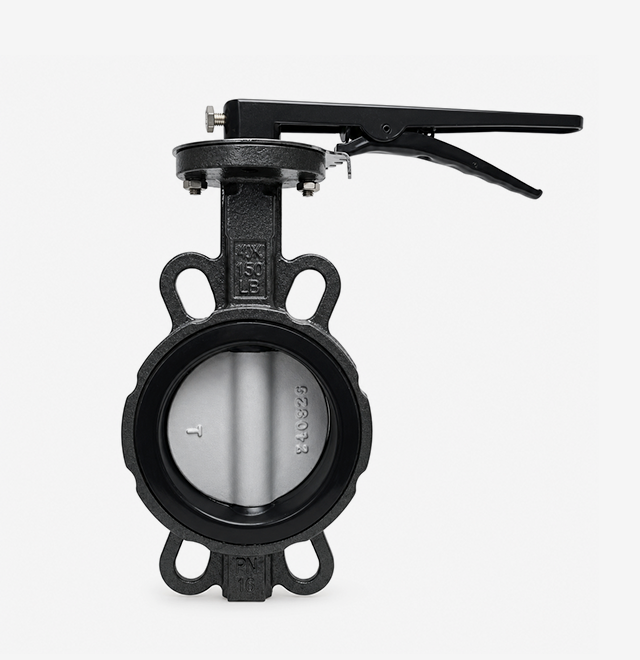
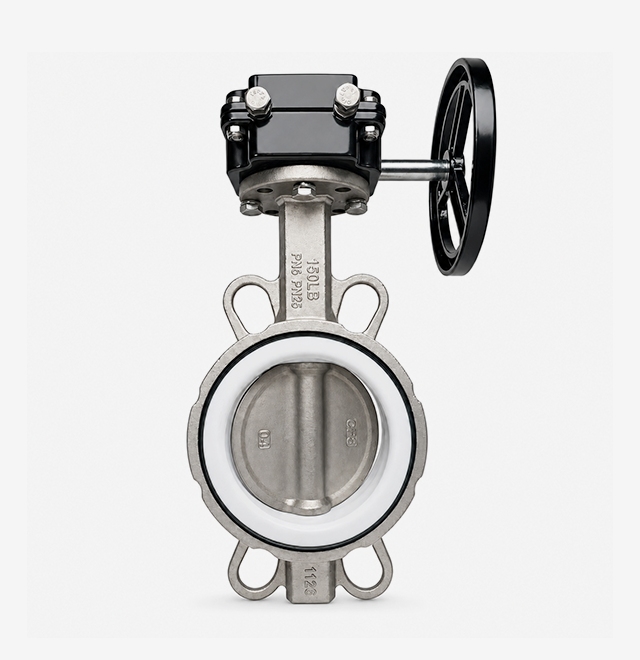
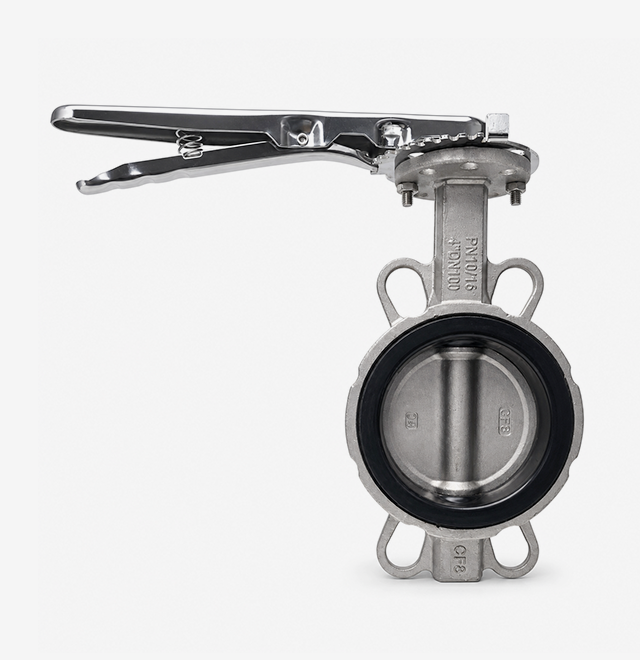
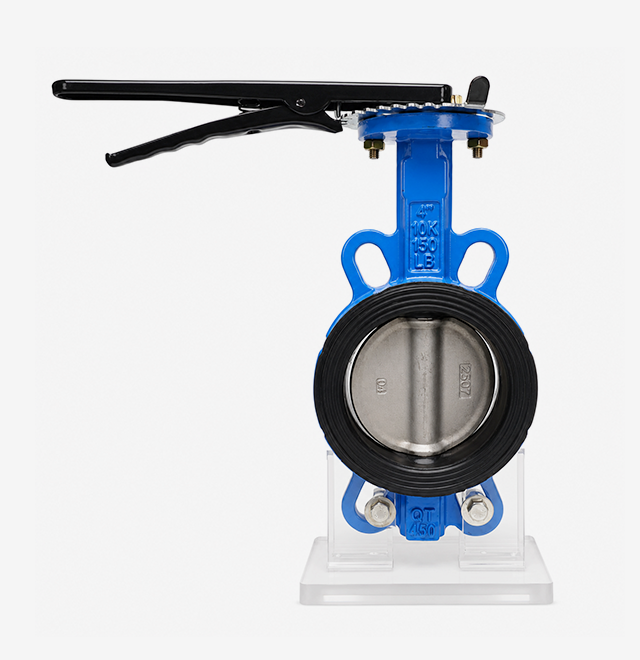
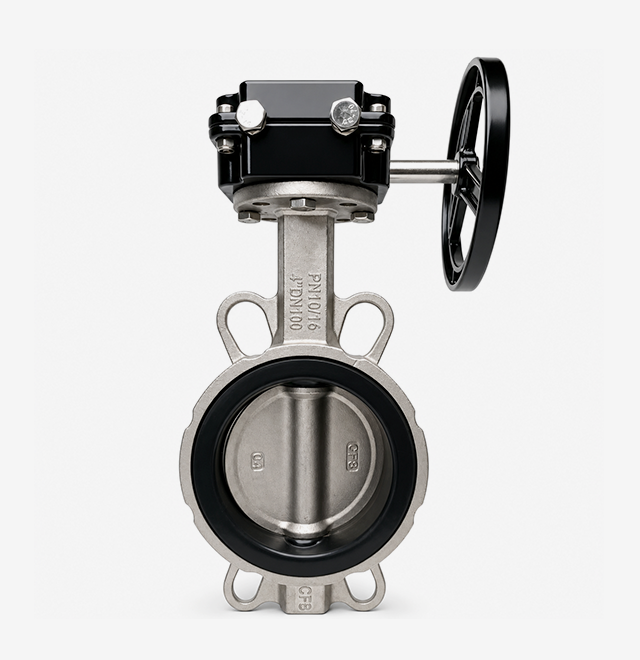
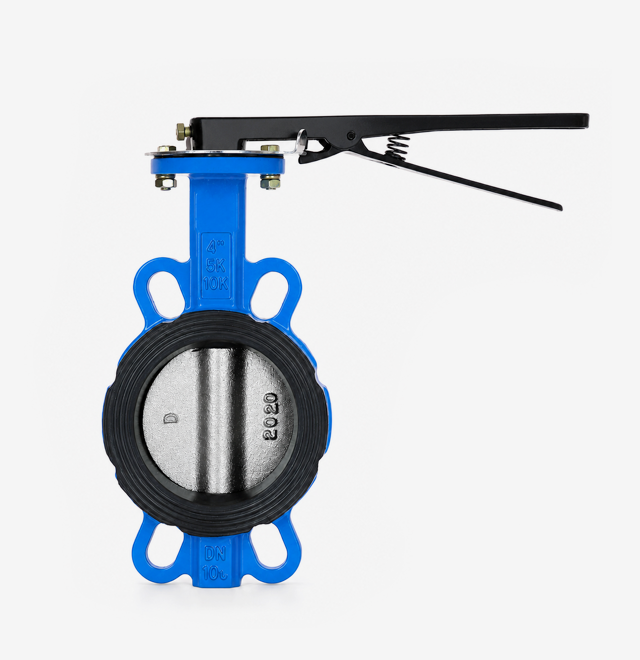
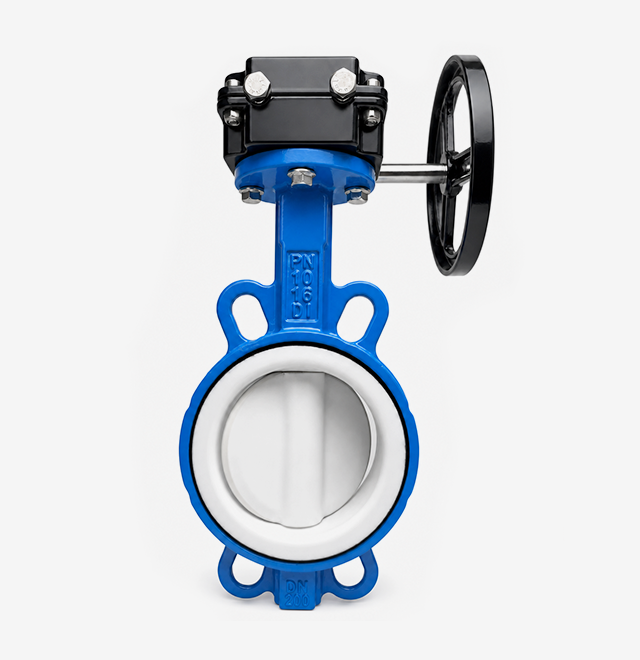
Tianjin Tangzheng Valve Co., Ltd. has built valves since 1998. Its wafer end butterfly valves come in PN10/PN16 and run from DN50 to DN800. The body is the compact sandwich type. It sits right between two pipe flanges. Weight drops next to gate or globe valves. Installation cost drops as well. Body options: ductile iron, WCB, SS304 and SS316. For the seat, take EPDM, NBR, PTFE or VITON. Those seats work with water, sewage, air and neutral liquids from 0 °C to 140 °C. A handle, a gear, electric or pneumatic operation all fit. More than 600 specifications exist. OEM/ODM support is there too. Worldwide, distributors, contractors and project buyers purchase these valves.
What Is Valve?
This product has a slim body in the sandwich style. Long through-bolts clamp it between two pipe flanges. Shutoff comes fast because the valve only turns a quarter. Space and weight needed are a fraction of what a gate or globe valve takes.
Three common pipeline problems get solved here. The system footprint shrinks. Material and installation cost fall as well. Tight spots, like modular skids and compact mechanical rooms, still get reliable shutoff.
One important note: a wafer valve is not the same as a lug-type valve. With this design, the downstream piping has to stay in place. Take off the downstream flange and the valve comes free. So before you specify wafer end, check that your application calls for a permanent, two-flange installation.
Specifications
| Parameter |
Details |
| Connection Type |
Wafer (sandwich between flanges) |
| Size Range |
DN50 – DN800 |
| Working Pressure |
PN10 / PN16 |
| Body Material |
QT450 (ductile iron) / WCB / CF8 / CF8M |
| Disc Material |
Ductile iron / CF8 / CF8M |
| Seat Material |
EPDM / NBR / PTFE |
| Shaft Material |
Q235 / 2Cr13 / 304 / 316 |
| Temperature Range |
0 – 140 °C |
| Medium |
Water, sewage, air, neutral liquid |
| Actuation |
Handle / Gear / Electric / Pneumatic |
| Actuator Mounting |
ISO 5211 |
| Actuator Mounting Standard |
ISO 5211 |
Key Features
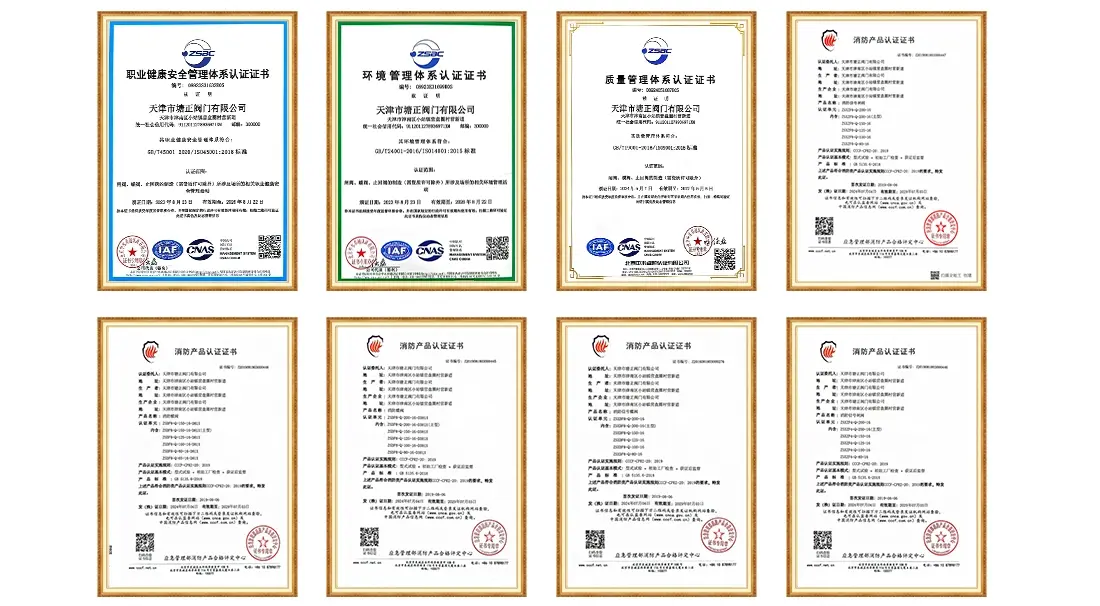
Several material combinations are available. Body, disc, seat, and shaft materials can all be matched to the medium you actually run, along with your pressure and temperature conditions. That way you avoid material mismatches, which are a common cause of premature failure.
The shaft gets made in-house. Five key shaft parameters are held together: diameter, tolerances, shaft-end setup, disc-to-shaft connection, and assembly torque. Less sticking comes out of that. Uneven wear, incomplete travel and sealing trouble also show up less often.
ISO 5211 actuator pad: the mounting follows a standard pattern. A handle, a gear unit, an electric motor, or a pneumatic one can all go on. You swap the drive, not the valve body.
Smooth gear operation: turning gets easier with a gear unit on medium and large diameters. The same applies where torque demand is high.
Polished stainless disc option: slip between disc and elastomer seat improves when the disc is polished. Torque drops as a result. Seat life also gets longer.
Typical Applications
You will find these valves at work in many sectors. Each one needs shutoff it can count on, plus a wafer end butterfly valve for steady control of flow:
- Water supply and treatment: clean water isolation and distribution networks
- District cooling and HVAC: chilled water loops that switch on and off a lot
- Fire protection pipelines: fits the piping rules that fire systems need
- Industrial wastewater: copes with sewage and effluent lines that carry solids in the flow
- Chemical processing: you can get a PTFE seat option for neutral liquids that are only mildly aggressive
- Industrial pipelines: process lines like these run every day in power plants and manufacturing
The standard parameters above might not fit your medium, pressure, or temperature. If that is the case, contact us before you order. Rework and delays cost time. Choosing the right option the first time keeps both away.
How to Select the Right Valve?
Six parameters need checking first. Confirm them before you ask for a quotation:
- Size (DN / inch)
- Pressure rating (PN10 or PN16)
- Which medium passes through it: water, sewage, air, neutral liquid, or something else
- Temperature (operating range)
- The connection standard it follows, in other words the flange drilling pattern
- How many units you need, so lead time and MOQ can be confirmed
Have these details ready before you contact us. It helps our team put together a correct quotation. In working hours, the usual turnaround is one business hour.
Seat Material Selection Guide for wafer end butterfly valve
Choosing the wrong seat material is one of the most common causes of early failure. Here is a quick guide:
- EPDM: handles water and steam up to 140 °C. For water treatment and HVAC it is a dependable all-round option.
- NBR: you need it for oils, hydrocarbons, and compressed air. Hot water or steam will damage it.
- PTFE: for mildly corrosive neutral liquids. Also used where elastomer swelling is a risk.
- VITON (FKM): takes more aggressive chemicals; a good pick for tough chemical duty.
Pumping seawater? Or a liquid loaded with chloride? Then the disc and shaft material of a wafer end butterfly valve makes a big difference. A disc and shaft that fight off corrosion is the usual need. The seat has to suit the medium as well. So does a body coating that can take the conditions. Tell us how the valve will really be used and we will point you to a material.
FAQ
Q: Can a product be used for dead-end service?
A: No. With this valve type the downstream piping has to stay hooked up. Going to take that downstream pipe section off? Then a lug-type butterfly valve is the right pick.
Q: What is the expected leakage rate?
A: Under API 598 standards, resilient-seated wafer butterfly valves are expected to achieve bubble-tight shutoff - zero visible leakage under test conditions.
Q: Why is operating torque increasing over time?
A: Increasing torque usually indicates elastomer seat swelling due to chemical incompatibility, or debris accumulation around the stem bushings. Check seat material compatibility with your actual medium first.
Q: Can you provide OEM or custom manufacturing?
A: Yes. OEM/ODM work is something we take on. Your drawings can be the starting point. So can samples or a project spec. Materials and dimensions are covered. So are pressure ratings, actuation, coatings, markings, and packaging.
Q: What is the lead time?
A: Standard in-stock items can be dispatched the same day or next day for qualifying orders. Standard customized products generally require 7–15 business days. Special or non-standard configurations are scheduled according to project requirements.
Contact Us
Need a quotation or technical support for your wafer end butterfly valve project? Email us at youweipan@tangzhengvalves.com - we respond within one business hour.