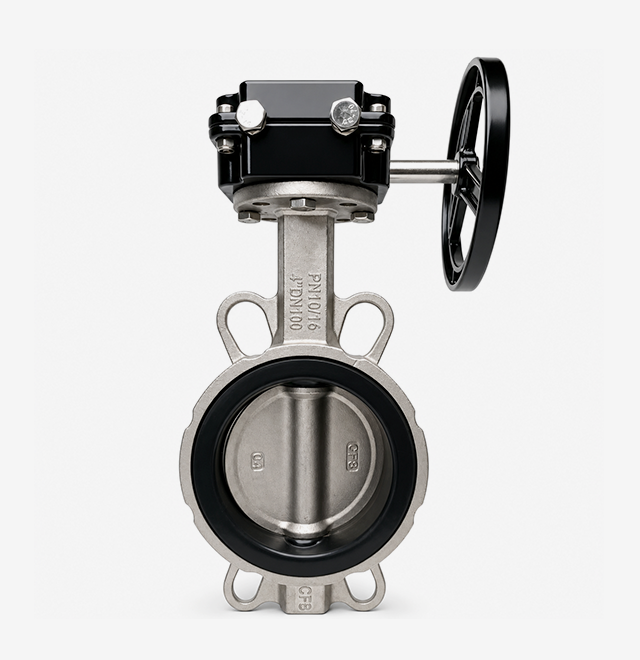
Wafer End Valve for Industrial Pipelines - Compact, Reliable, and Fully Customizable
Tight spaces demand flow control you can count on. That is the job Tianjin Tangzheng's wafer end valve does. The company has built it since 1998. Sizes go from DN50 to DN300, and working pressure reaches PN10/PN16. Water treatment plants run it. HVAC systems, fire protection lines, and industrial pipelines use it too. Choose the body material that fits the job: ductile iron, WCB, SS304 or SS316. Seat options are EPDM, NBR, PTFE and VITON. Each one lets you match the valve to your medium and to your temperature range (0–141°C). Over 50 valve models and 600+ specifications come off the line. Factory-direct pricing goes with the order. Project buyers worldwide also get flexible MOQ and OEM/ODM support.
What Is Valve?
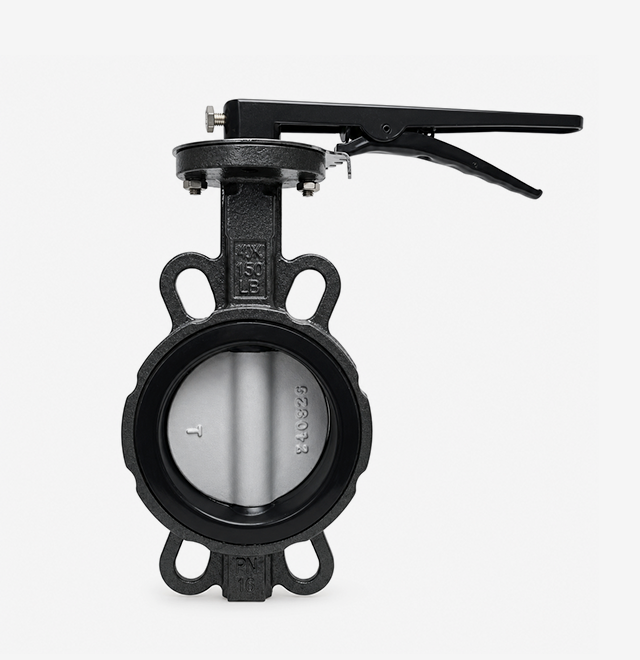
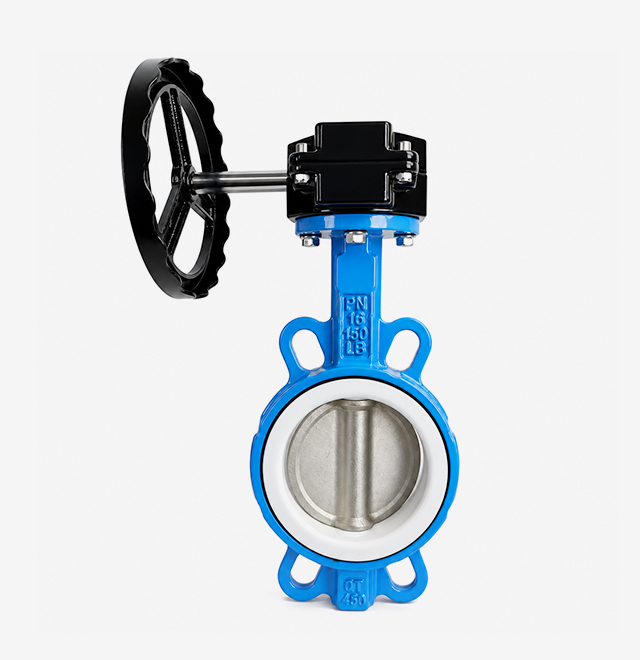
This product gets sandwiched between two pipeline flanges. Long studs and nuts run through the full valve body and hold it in place. The body itself has no integral bolt holes. That keeps the face-to-face dimension short and brings the overall weight down a lot.
Weight and space are the problems this design goes after. High-rise and offshore jobs carry too much system weight. Modular process skids leave very little room. Long-pattern valves cost a lot in material. The wafer body answers those three cases. Isolation or regulation stays reliable, and the structure holds up under changing pressure differentials.
Technical Specifications
| Parameter |
Details |
| Connection Type |
Wafer type |
| Size Range |
DN50 – DN300 |
| Working Pressure |
PN10 / PN16 |
| Body Material |
QT450 / WCB / CF8 / CF8M |
| Disc Material |
DI / CF8 / CF8M |
| Seat Material |
EPDM / NBR / PTFE |
| Shaft Material |
Q235 / 2Cr13 / 304 / 316 |
| Operation |
Handle / Gear / Electric / Pneumatic |
| Actuator Mounting |
ISO 5211 |
| Applicable Medium |
Water, sewage, air, neutral liquid |
| Temperature Range |
0 – 141°C |
Key Features
Compact and lightweight design
There are no integral flanges on the wafer body. Face-to-face dimensions get smaller. Weight stays low as well. Multi-story buildings are a good fit. Marine installations and skid-mounted equipment work too.
Multiple material combinations
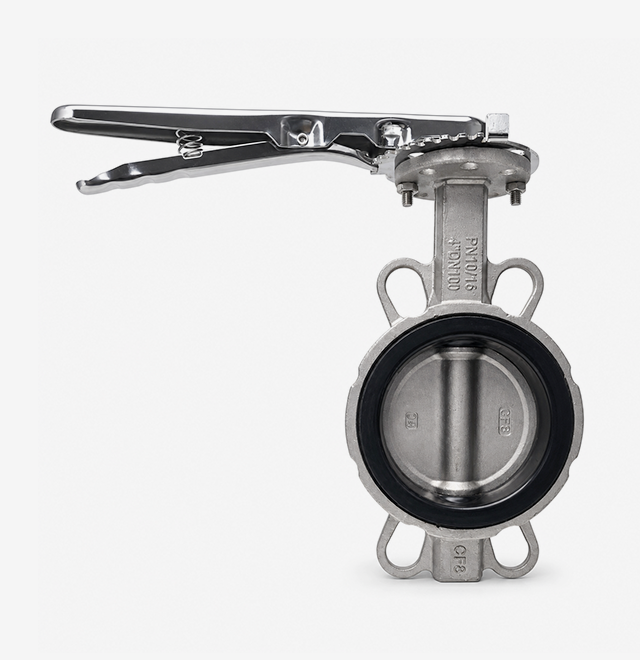
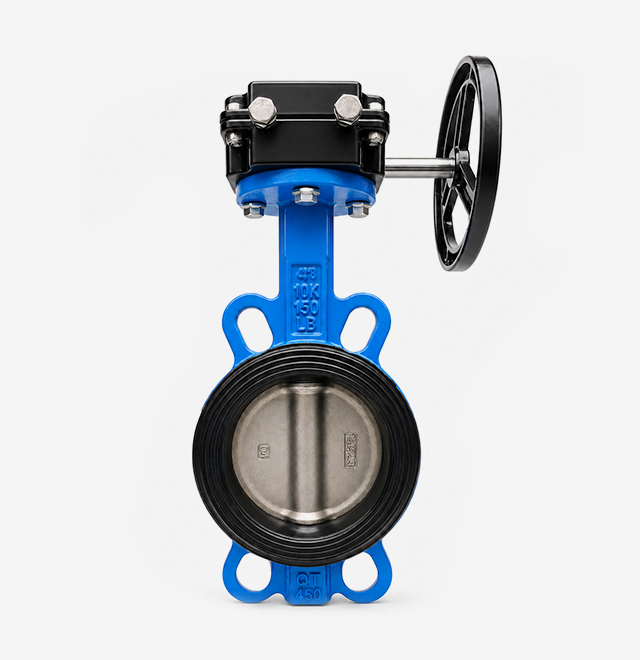
Ductile iron is available for the body and the disc. So are carbon steel and stainless steel. Seat choices include EPDM, NBR, PTFE and VITON. Those seats cover water service, plus wastewater, air and neutral liquids.
In-house shaft manufacturing
Shaft work is done in house. Five checkpoints matter most, and every one of them is controlled. Shaft diameter comes first, then tolerances, the shaft-end setup, the disc-to-shaft connection and assembly torque. Keeping those in check brings less sticking and less uneven wear. Incomplete travel and sealing instability drop as well.
Nylon-coated disc option
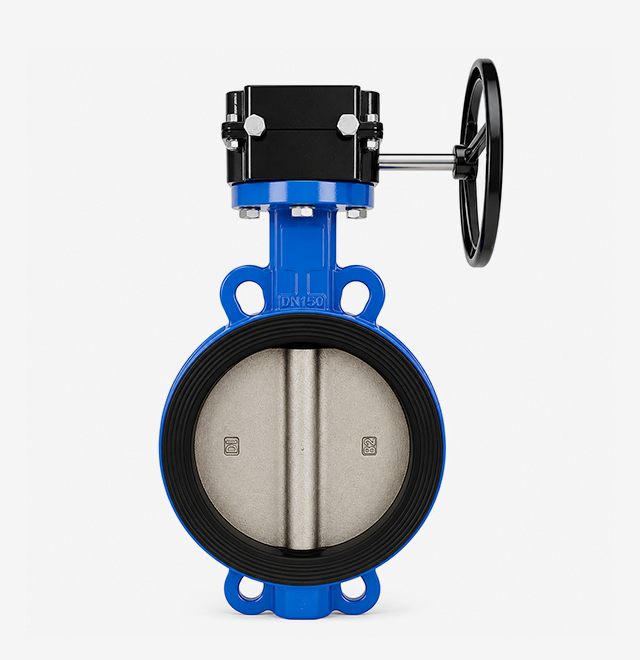
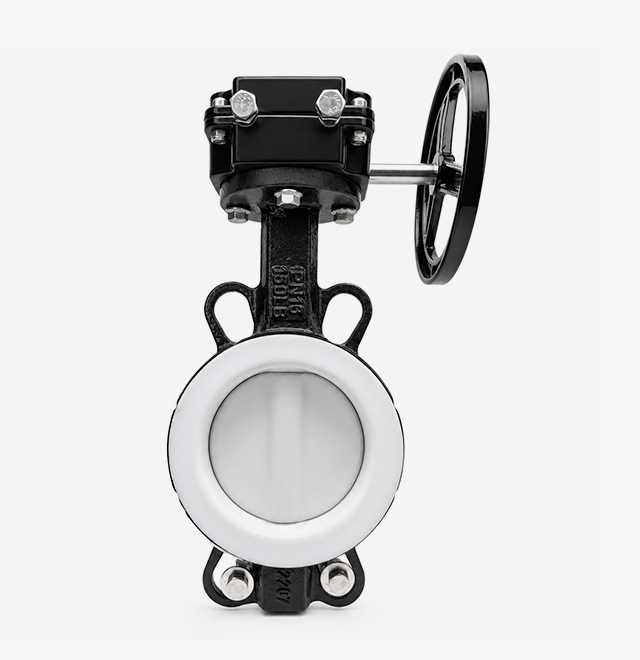
For water service, a nylon coating protects the wafer end valve surface better. It also helps the valve fight corrosion. When you check the coating, three things matter: how sound it is, how hot the medium runs, and how long it sits under water.
Flexible actuation
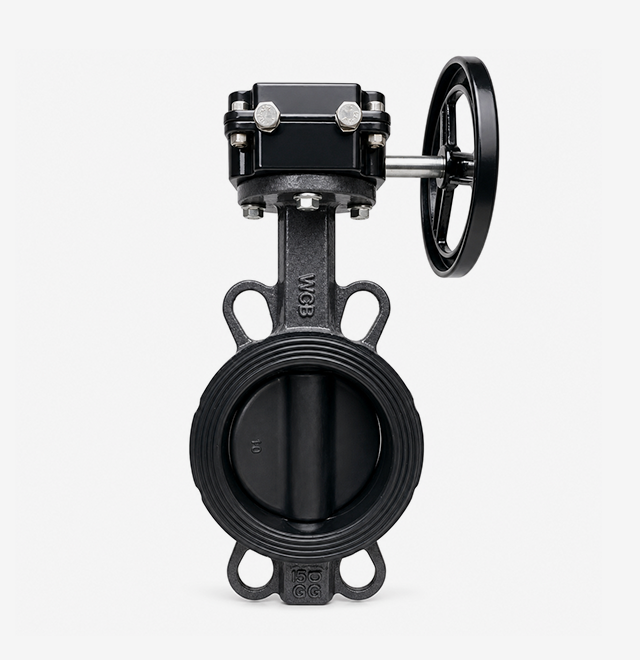
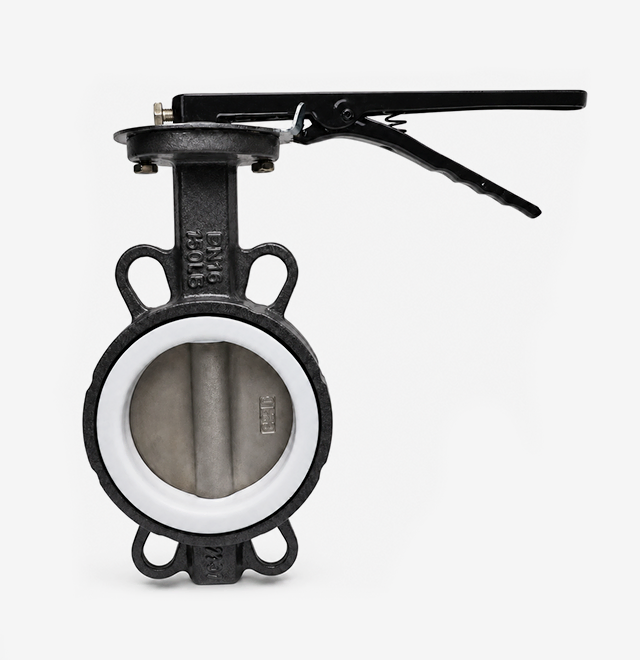
You can get the valve with several ways to operate it. A handle is one option. So is a worm gear, along with an electric actuator and a pneumatic actuator. Choose the one that matches how your site is controlled.
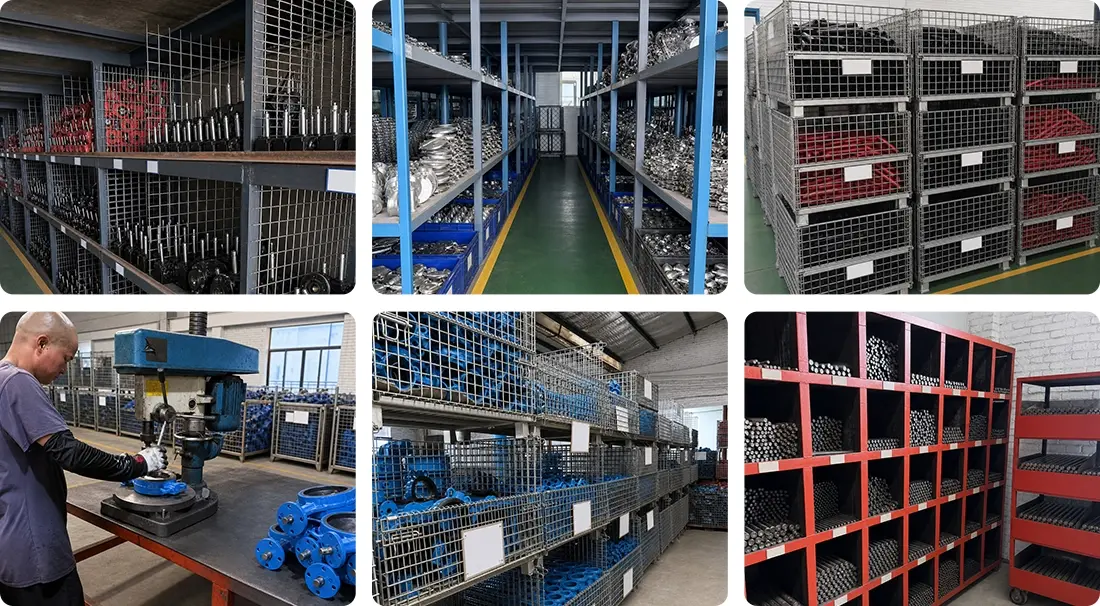
Application Scenarios for wafer end valve
If the conditions fit, you can specify this valve with confidence:
- Water treatment and drainage: town supply, wastewater plants, and sewage networks
- HVAC systems: chilled water loops and condenser circuits. Building services are part of this too
- Fire protection pipelines: you isolate the system and keep the flow under control
- Industrial piping: neutral liquids that are compatible with the chemicals on site, plus compressed air and process media
- Marine and desalination: tight setups where weight and space are a big deal
Check the wafer end valve medium first. Then pressure, temperature, connection standard, and the conditions the unit runs in. Do this before you settle on a final choice.
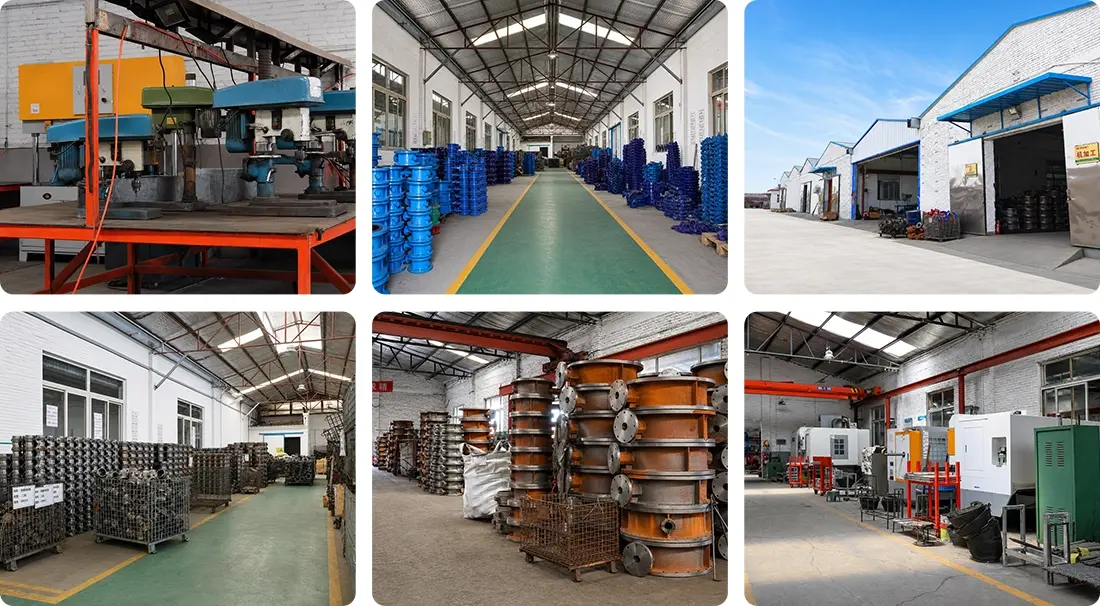
Why Source from Tangzheng?
- Supply comes straight from the factory. There are no middlemen, so pricing stays more competitive
- MOQ stays flexible. Trial orders work, and so do project batches and bulk purchases
- OEM/ODM is available. You can customize materials, dimensions, coatings, markings, and packaging
- Help with technical choices: before we quote, we confirm six parameters (size, pressure, medium, temperature, connection standard, quantity). That cuts down on wrong picks and rework
- Quick dispatch: in-stock orders that qualify go out the same day or the next day. Custom products normally take 7–15 business days
- Reply in 1 hour: during business hours, technical questions get an answer within one hour
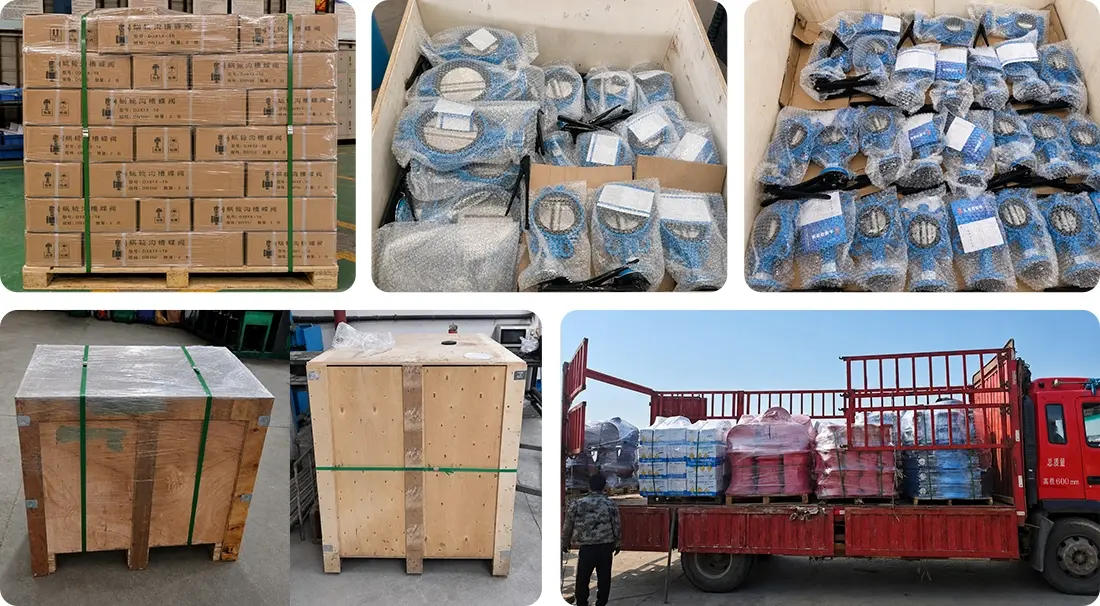
- Wooden case export packaging: it works for sea, air, and road freight out of Tianjin
FAQ
Q: Can a product be used for dead-end service?
A: Generally no. Two flanges are needed on standard products to keep the seal intact. Go with a lug-style valve for dead-end service. That is the right pick.
Q: What is the difference between wafer end and lug end valves?
A: One design uses long through-bolts. They clamp the product between two flanges. The other one is a lug end valve. Threaded inserts sit in it, so you can bolt it to a single flange at the end of a pipeline.
Q: During installation, what keeps the seat from deforming?
A: Keep the valve partly open while you fit it. Take your time lining up the flanges. After that, tighten the bolts in a star pattern. Doing it that way spreads the load evenly.
Q: Why does a valve start leaking where the flange joins it?
A: The cause is often a wrong gasket. Uneven bolt torque does it too. Clean the flange face well. Then tighten it to the torque the manufacturer gives.
Q: Can this butterfly valve handle abrasive slurry service, or is that too much for it?
A: It can be evaluated after confirming solids size, concentration, flow velocity, pressure, and temperature. Abrasion-resistant wetted parts and appropriate operating torque may be required.
Q: Can you provide OEM service?
A: Yes. OEM/ODM is available based on your drawings, samples, or project specifications - covering materials, dimensions, actuation, coatings, and labeling.
Contact Us
Need a quotation or technical support for your wafer end valve project? Email us at youweipan@tangzhengvalves.com - we respond within one hour during business hours.