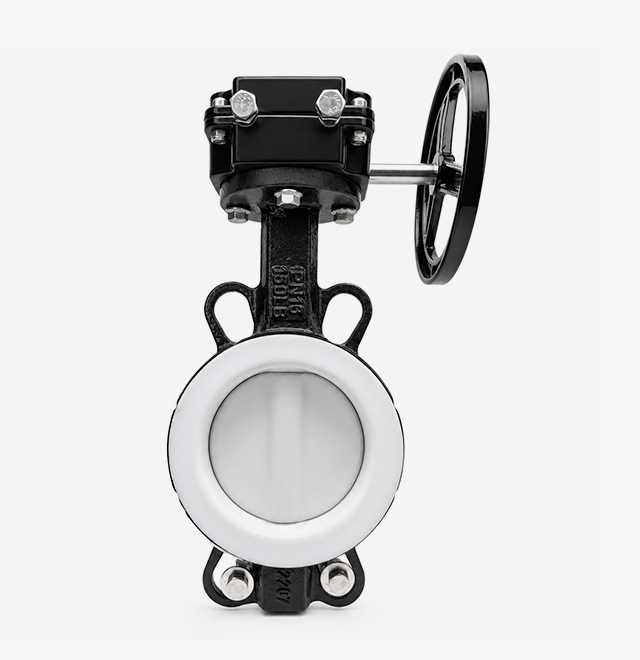
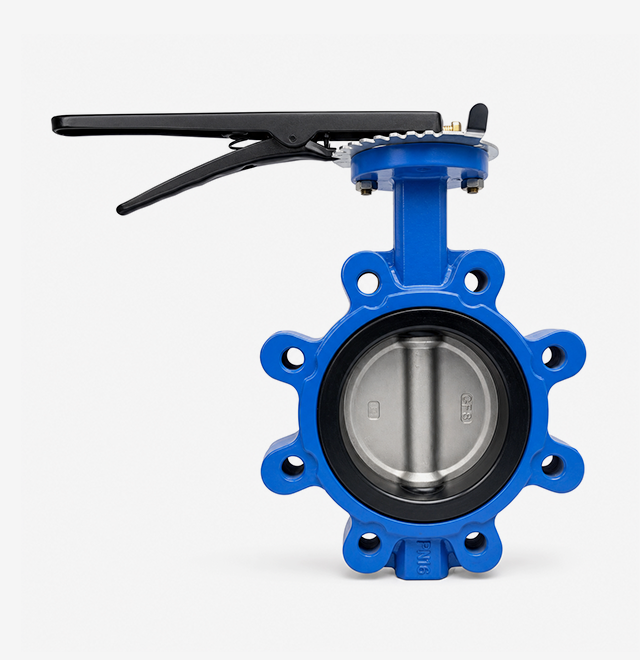
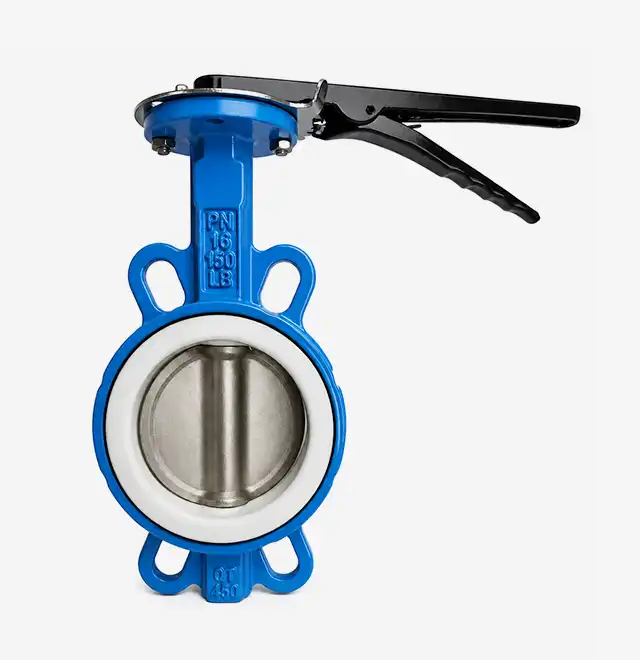
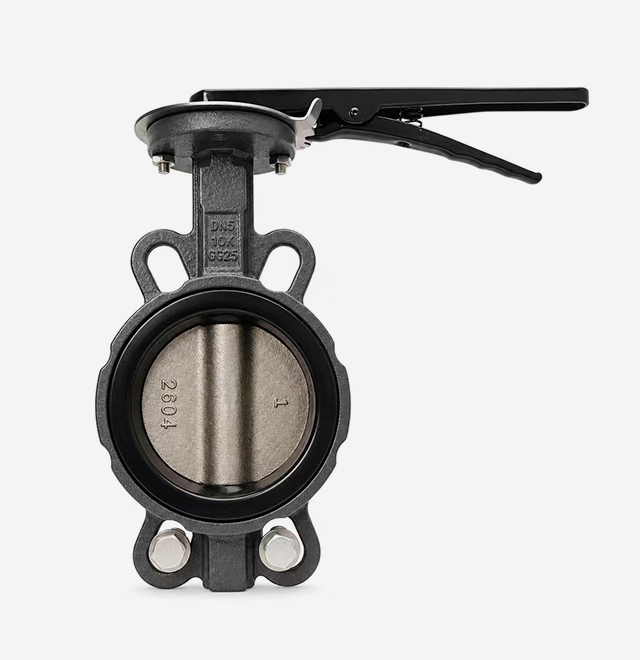
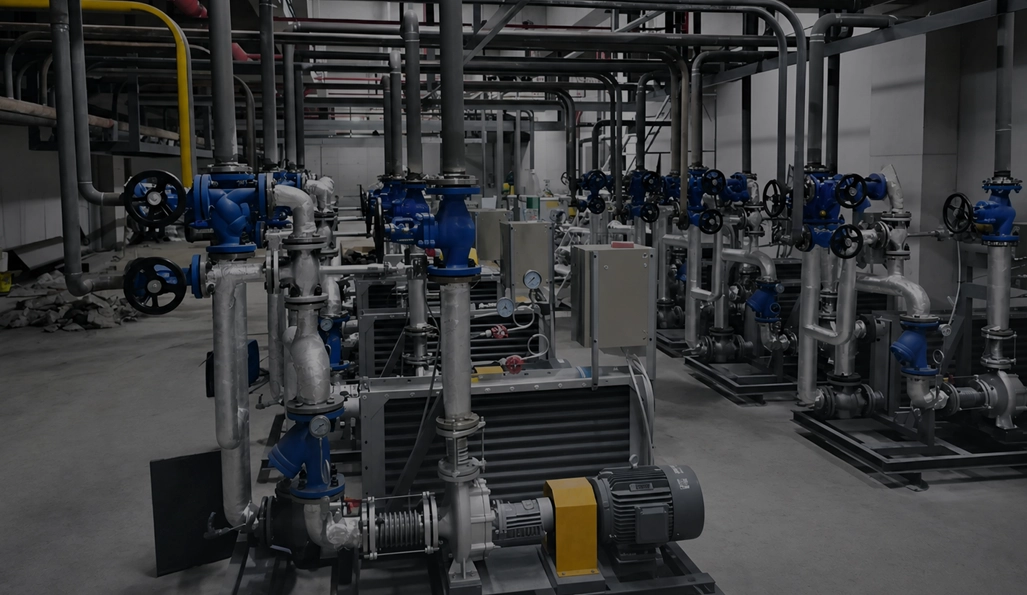
A pneumatic wafer butterfly valve is a good fit for HVAC because of its small body, fast quarter turn movement and simple connection to building controls. The wafer body sits between two pipe flanges, saving space around chillers, pumps and cooling towers. A compressed air actuator spins the disk 90 degrees to allow remote isolation and sequencing using a BMS or PLC. Our stated range is DN50 to DN800 with PN10 and PN16 nominal ratings. The permissible temperature varies on the chosen seat compound, pressure, medium and model datasheet.EPDM, NBR, PTFE and/or FKM seating may be provided on specified models. The valve functions well in service while the actuator, seat and fail position are still sized correctly.

What Is a Pneumatic Wafer Butterfly Valve and How Does It Work?
Core Parts of a Pneumatic Wafer Butterfly Valve
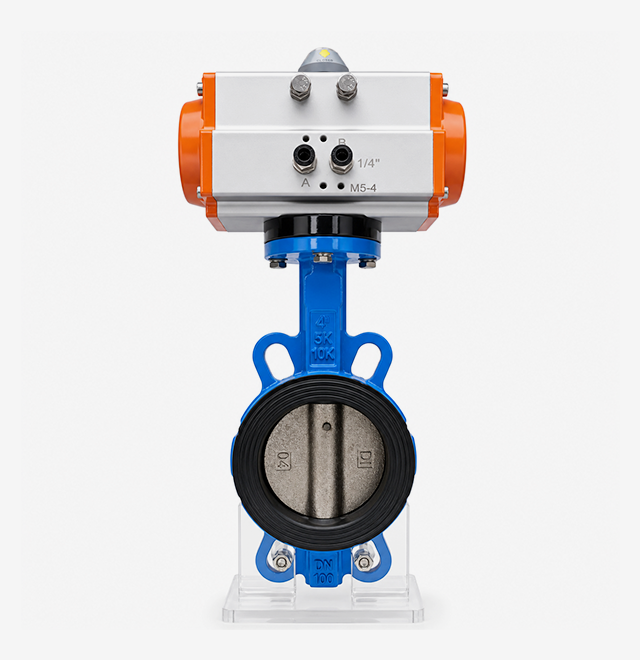
A pneumatic wafer butterfly valve has five main parts: a wafer body, a disc, a shaft, a seat, and an air actuator. The body carries the pressure load, while the seat seals the disc against the valve body and disc edge. At TZD, body options include ductile iron (QT450), WCB, CF8, and CF8M. Disc options include ductile iron, CF8, and CF8M, and aluminum bronze is also available. Shaft options include Q235, 2Cr13, 304, and 316. Where included in the confirmed production scope, shaft machining and assembly checks can cover torque, shaft-end connection, and actuator fit before delivery. This helps reduce rework risk on site.
How Compressed Air Turns the Disc
It is a rack and pinion type actuator, which is driven by compressed air. Air moves the pistons . The rack spins the pinion . The shaft rotates the disk 90 degrees . The journey opens the line at one end, closes it at the other. The wafer body is sandwiched between two pipe flanges held by long through bolts. The whole assembly is light and small. Accessories may be mounted via an ISO 5211 suitable mounting pad and connection depending on actuator and valve designs. Actuator, coupler, solenoid valve, positioner and limit switches should be purchased with suitable mounting interfaces and connection accessories. If equipped with the right feedback and control wire, a BMS or PLC can tell the valve to open or close, and validate its position.
Single-Acting and Double-Acting Fail Positions
Double acting actuators are air open air close. They are suitable for automated applications when a specified fail-open or fail-closed state is not needed. A double-acting actuator does not dependably keep a safe position following air loss, unless there is given an auxiliary air reservoir, locking mechanism or other fail-safe system. Single acting (spring return) actuators employ air to move the valve in one direction and springs to return it. The loss of air supply allows the springs to push the valve to a fail-safe position. In HVAC it relies on the equipment to be controlled. Loss of air may require closing the chiller isolation valve and keeping the bypass line open. Before we can price a pneumatic wafer butterfly valve order, our staff verifies air supply pressure, actuation mode, fail position and control interface.
Why HVAC Systems Use a Pneumatic Wafer Butterfly Valve?
Compact Body and Low Weight for Tight Mechanical Rooms
Mechanical rooms and rooftop plant areas leave little space between equipment. A wafer body is short and sits between two flanges, so it usually needs less pipe run than a flanged valve with its own flanges. Lower weight also reduces load on pipe supports and makes handling easier for a small crew, even on sizes up to DN800. Compact does not mean zero planning. A pneumatic wafer butterfly valve adds actuator height, and the solenoid, positioner, and wiring need service room. I advise drawing the full actuator envelope on the layout before ordering. Then reserve clearance for manual access and air tubing.
Fast Quarter-Turn Operation and BMS Control
A quarter-turn valve only has to turn 90 degrees to get from the open to the closed position. Repeatable motion is another advantage of pneumatic actuation when a facility has to sequence chillers, pumps, and cooling-tower cells. The limit switches tell the BMS whether they are open or closed. The valve and actuator may be sized for modulating control. A positioner can be used to back up the modulating control. Quick shutting might induce water hammer in water pipes. On a pneumatic wafer butterfly valve, mufflers on the actuator exhaust ports regulate the speed at which the air is expelled. Correctly chosen exhaust flow controls may minimize the closure speed and may assist to limit pressure spikes. While this accessory may assist to decrease stress on the pumps, coils and joints of the pipe, the ultimate danger of water hammer relies on the total piping system.
Material Choices for Water Service
Treated water, chilled water, heated water or glycol mixes are used in most HVAC circuits. EPDM is the standard for our water and air service. NBR may be suitable for certain oil-based media, while PTFE or FKM may be suitable for some chemical or higher temperature services, subject to confirmation of compatibility. Temperature is just for a certain model and compound, and I always check the real loop temperature, glycol type, pressure and water treatment chemicals before selecting a seat. Chloride level, temperature, water treatment and galvanic compatibility must be studied. Stainless steel bodies and disks such as CF8 or CF8M may be used for cooling tower and condenser water lines. The ultimate solution is in the elastomer maker’s compatibility table and our experts can walk you through it.
Pneumatic Wafer Butterfly Valve Specifications and Sizing for HVAC Selection
Key Specifications to Check Before You Order
Our pneumatic wafer butterfly valve range covers DN50 to DN800 with PN10 and PN16 ratings. The confirmed model datasheet should state the wafer connection, actuator mounting interface, and allowable temperature range for the selected seat and pressure. US projects often specify ANSI Class 125 or 150 flanges, and those drill differently from PN10 and PN16 in several sizes. Please send your flange standard with the inquiry so we can confirm bolt-hole fit. Also compare face-to-face length with your drawings. Standards such as API 609 and EN 593 address butterfly valve design and dimensions, so confirm which one your specification calls for.
How to Size the Actuator Using Real Torque
Actuator size depends on torque, not pipe diameter. The actuator output must exceed the valve breakout, running, and seating torque over the full pressure and temperature range. Apply the safety factor required by the actuator manufacturer or project specification after reviewing the complete torque curve; do not assume a universal 20–30% value. Seat friction, disc torque, stem and bearing friction, and differential pressure all add load. Air supply pressure matters just as much. A spring-return unit delivers less torque at the low end of the supply range, so check minimum air pressure first and size the actuator second. For modulating duty, also review the flow coefficient and control range. Send us your air pressure range, fail position, and torque requirement, and we will review the match together.
Testing and Documentation
Quality control is performed on incoming materials, machining, assembly, pressure and seal testing, final inspection and packing. Inspection and operating papers, if any, may be sent with products. A shell test may be stated at 1.5 times the nominal pressure when required by the appropriate standard or inspection plan. For PN16 this calculation is 24 bar. Seat-leakage and cycling tests should be performed according to specified project requirement including test method, duration, acceptance criteria and number of cycles. Positive material identification may assist in verifying alloy composition but does not replace the requisite material certificate or mechanical and casting-standard data. Tell us which reports your project requires, and we will validate the precise scope before you submit the purchase.
Pneumatic Wafer Butterfly Valve Comparisons and HVAC Applications
Pneumatic Versus Electric and Manual Operation
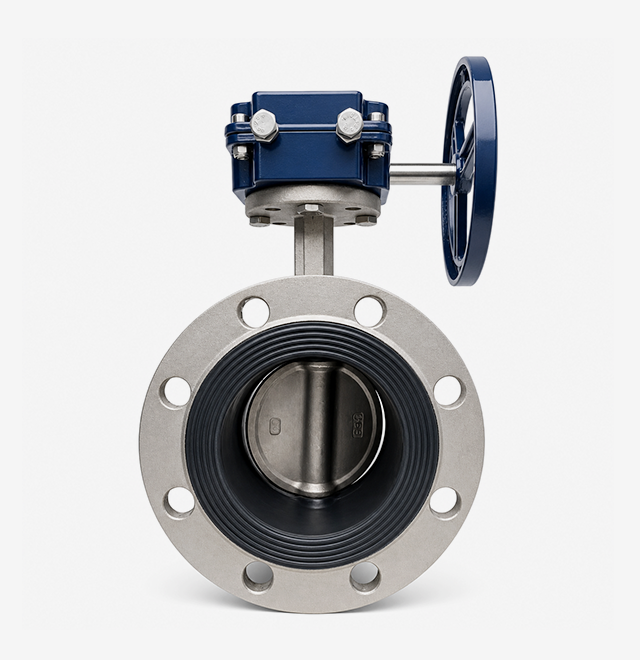
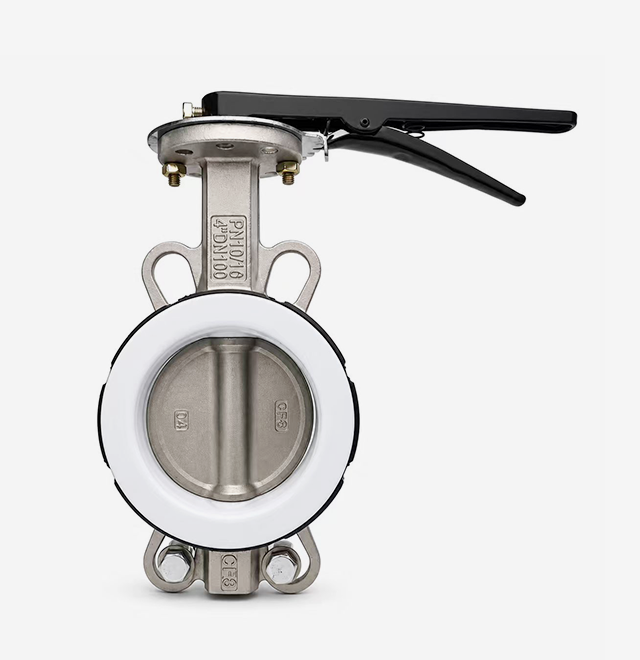
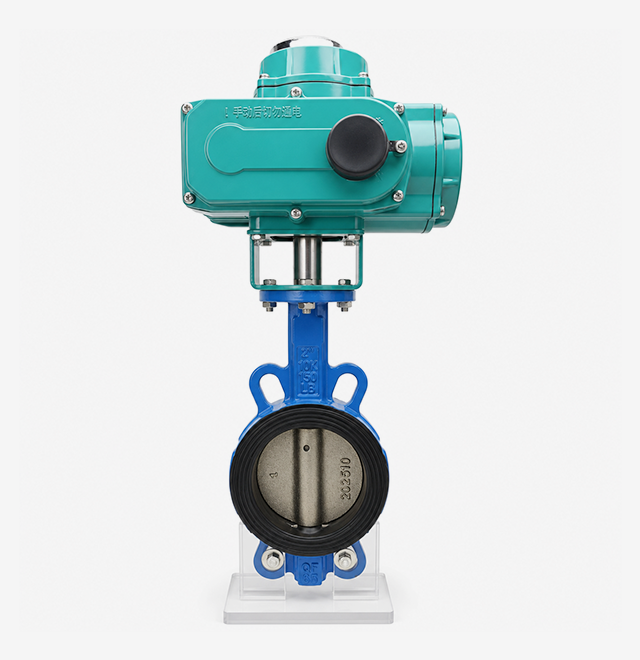
Compressed air is a natural choice when a site already has an air system, needs frequent cycling, or wants spring-return fail-safe action. Electric actuators can be simpler where no air supply exists. Our line offers handle, gear, electric, and pneumatic operation, so you can match each valve to the site. Manual lever and worm gear options remain useful for service isolation points that rarely move. I usually suggest a pneumatic wafer butterfly valve for sequencing and isolation when the required fail position, air reliability, controls, and safety functions have been defined. Manual operation fits valves that change position only a few times per year.
Wafer, Lug, and Flanged Designs
A wafer body is often among the shortest and lightest options, although the actual weight depends on size, pressure class, materials, and actuator package. A lug body has threaded lugs that allow bolting from each side, which helps when you need to disconnect one side of the pipe. Flanged and double-flanged bodies carry their own flanges and suit heavier duty or larger lines. Our butterfly valve portfolio covers wafer, lug, flanged, double-flanged, and grooved designs, so you can compare them against one maintenance plan. Butterfly valves are generally practical for larger HVAC water lines. Ball valves often suit smaller lines or tighter shutoff requirements. Match the design to pipe support, service access, and the number of future disconnections.
Typical HVAC Applications
I see a pneumatic wafer butterfly valve most often on chiller and boiler isolation, heat-exchanger bypass, pump headers, AHU and fan-coil branches, condenser-water loops, and cooling-tower cells. These positions support equipment sequencing, seasonal changeover, and emergency isolation with BMS position feedback. Simple isolation is straightforward. Continuous modulating control needs a positioner, flow data, and a valve selected for control duty, so treat it as a separate specification. Our valve listing includes air service, but air-handling and process-air lines need confirmed pressure, temperature, leakage, and media before approval.
Installation, Purchasing, and Selection Tips for a Pneumatic Wafer Butterfly Valve
Installation and Commissioning Steps
Inspect the valve and actuator on arrival, clean the pipework, and remove weld debris. Align and support the flanges without using the valve to correct pipe misalignment. Open the disc slightly so it does not touch the pipe or flange while you tighten. Do not add extra gaskets unless required by the manufacturer or project specification. Tighten bolts in a cross pattern to the specified torque. At commissioning, check air quality and pressure, solenoid wiring, travel limits, feedback signals, fail-safe action, and leakage. Then confirm BMS or PLC indication. Where the manufacturer permits it, a horizontal shaft can help reduce solids accumulation around the lower bearing on dirty media. Confirm the recommended orientation for the selected valve and actuator.
Maintenance and Troubleshooting
Routine checks cover the actuator, tubing, fittings, flange bolts, air preparation equipment, external leakage, and seat condition. Cycle valves that stay still for months. Slow response often points to low air pressure or a blocked exhaust. Leakage after installation often comes from flanges that squeeze the seat unevenly, missing actuator limit stops, or an incompatible seat, such as EPDM in oil service. Water hammer calls for speed control mufflers. Warranty duration, start date, product scope, operating conditions, and exclusions follow the quotation or contract. Remote troubleshooting support and spare parts are available subject to model and order confirmation.
Buying Steps and Common Mistakes
Send a full requirement: size, flange standard, medium, temperature, pressure, differential pressure, actuator type, fail position, control signal, quantity, and schedule. Then check that the quote lists body, disc, shaft, seat, actuator, accessories, tests, documents, and warranty. Common mistakes include choosing by pipe size alone, ignoring differential pressure, undersizing the actuator, picking the wrong seat, skipping the fail position, and leaving no room for the solenoid. ANSI, DIN, EN, API, and ISO standards are not interchangeable by default. Stock availability, dispatch timing, and custom-build lead time must be confirmed in the quotation because they depend on configuration, inspection, production, and logistics.
Conclusion
A pneumatic wafer butterfly valve can suit HVAC because its short wafer body saves space, its quarter-turn action is repeatable, and compatible accessories can connect to a BMS or PLC. Suitability still depends on correct choices. The seat must match the water and temperature, the flange standard must fit the pipe, and the actuator must be sized on breakout torque, air pressure, and fail position rather than pipe diameter. Pneumatic actuation fits sequencing and emergency isolation, while electric or manual operation fits other duties. Careful installation, speed control against water hammer, and routine maintenance protect the equipment. A matched valve and actuator package lowers installation risk.
FAQ
1. Is a pneumatic wafer butterfly valve suitable for chilled-water service?
Yes, when the seat, body, and ratings match the loop. EPDM may be suitable for compatible water service, but the seat compound, pressure, temperature, glycol type, water-treatment chemicals, and flange standard must be confirmed for the selected model.
2. Should I choose single-acting or double-acting?
Choose single-acting when the valve must reach a defined fail-open or fail-closed position on air loss. Choose double-acting when the valve can hold its last position.
3. How do I reduce water hammer?
Fit suitable exhaust flow controls or speed controllers on the actuator, then verify the closing time and system response. Slower closing may help limit pressure surges, but the effect must be checked against the piping system.
4. What should I send with an RFQ?
Send size, flange standard, medium, temperature, pressure, differential pressure, actuator type, fail position, air supply pressure, control signal, quantity, and schedule.
Request a Pneumatic Wafer Butterfly Valve Quote from TZD
Send your HVAC specifications to TZD, a pneumatic wafer butterfly valve supplier and manufacturer in Tianjin with nearly 30 years of valve experience. We can confirm air pressure, actuation mode, fail position, control interface, documentation, and lead time for the selected configuration before quoting. Email youweipan21@gmail.com for selection help, documents, and trial orders.

References
1. ASHRAE Handbook - HVAC Systems and Equipment, 2024
2. ASHRAE Handbook—Fundamentals, 2021
3. ISO 5211: Industrial Valves - Part-Turn Actuator Attachments, 2026 edition
4. EN 593: Industrial Valves—Metallic Butterfly Valves, 2017
5. API Standard 609: Butterfly Valves - Double-Flanged, Lug- and Wafer-Type, current or project-specified edition
6. ANSI/AWWA C504: Rubber-Seated Butterfly Valves, 2023 edition