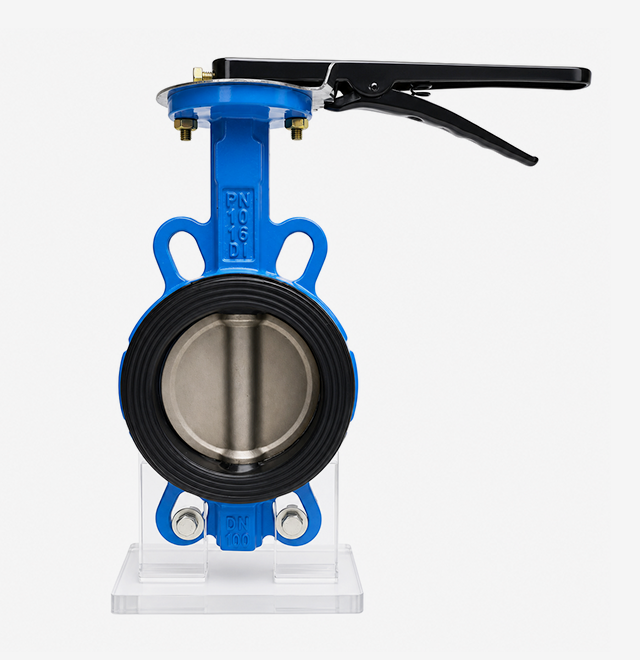
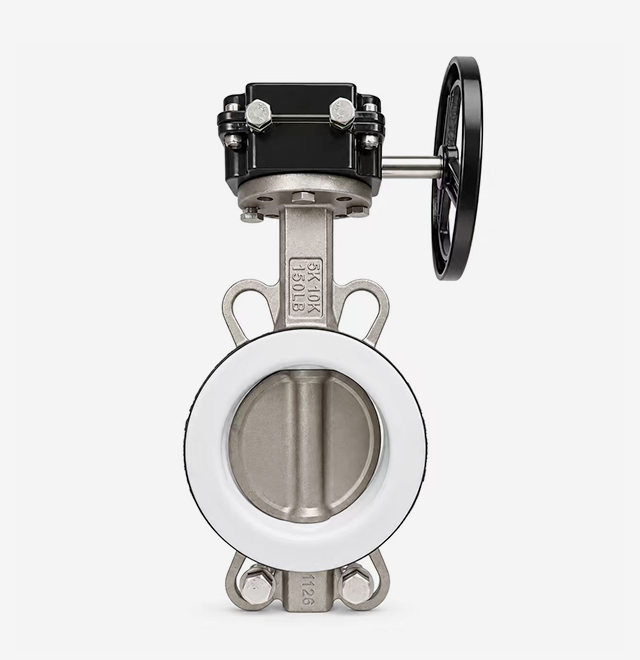
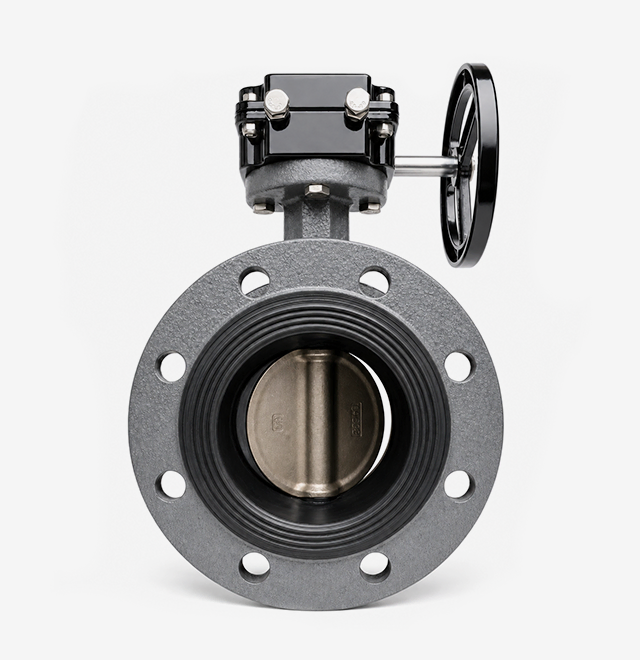
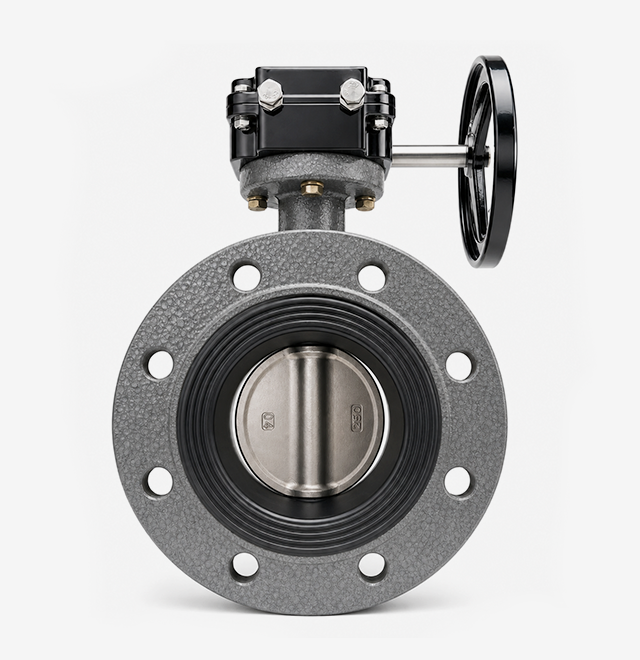
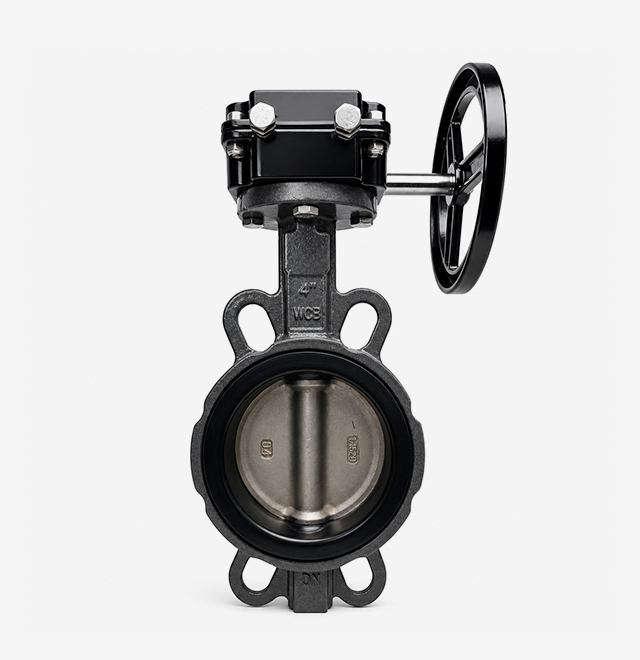
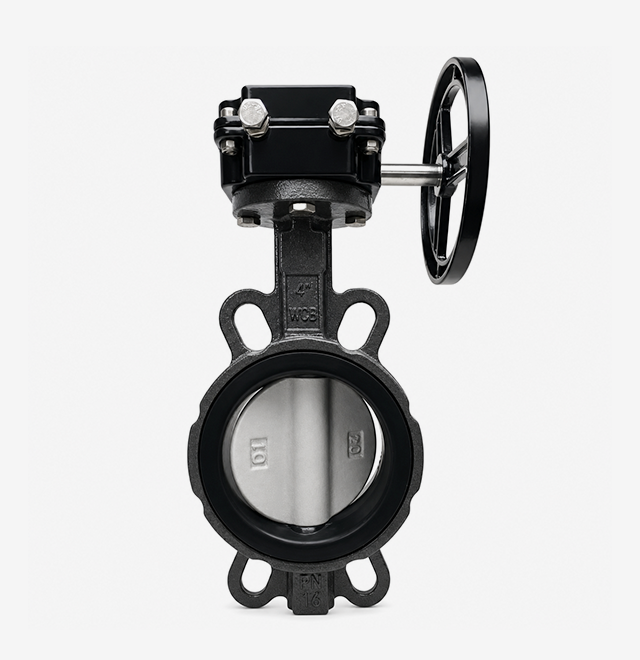
A grooved signal butterfly valve joins mechanical flow control with electronic position monitoring in one compact body. The handwheel or gearbox turns the disc to open or close the line. A built-in supervisory switch reports when the valve moves away from its normal position within the switching range required by the applicable standard and product specification. Grooved ends connect with mechanical couplings, which saves time on retrofits and tight-space jobs. I wrote this guide for contractors, engineers, distributors, and OEM buyers who need clear specifications before ordering. It covers how the valve works, where it fits, what to check, and how to request a quote from TZD.

How a Grooved Signal Butterfly Valve Works
Three Functions in One Compact Body
A grooved signal butterfly valve does three jobs in one body. Grooved ends accept standard mechanical couplings, so crews skip flange bolting and gasket alignment. A quarter-turn disc isolates or throttles the flow. An integrated tamper switch, also called a supervisory switch, reports valve position. These jobs stay separate: the handwheel or gearbox moves the disc, and the switch only sends status. A switch does not turn a manual valve into an actuated one, and that point causes confusion on many submittals. Grooved joints also work like a union, so crews can pull a section out during system changes. In sprinkler service, the main risk is a closed valve nobody noticed. This design sends a supervisory signal when the valve moves away from its normal position within the required switching range, rather than necessarily at the first movement.
Quarter-Turn Operation and Switch Action
Turning the handwheel or gear operator rotates the stem and disc from parallel to the flow to across the flow. The resilient seat, made of EPDM or NBR, seals against the disc edge and provides shutoff. Sizes run from DN50 to DN300 (2 to 12 inches), and larger sizes normally use gear operation to keep torque manageable. The switch tracks stem or gearbox movement and changes state within the specified operating range. For fire-protection applications, NFPA 72-2022 Section 17.17.1.2 requires the off-normal signal to be initiated during the first two revolutions of the handwheel or within one-fifth of the travel distance of the valve control apparatus from its normal position, as applicable. The signal must not be restored until the valve returns to its normal position. GB 5135.6-2018 also requires the flow rate at the signal-conversion point of a covered fire signal valve to be no less than 80% of its fully open flow rate. Confirm the applicable standard, manufacturer's instructions, and authority having jurisdiction (AHJ) requirements before ordering and commissioning. Check the actual switching point and restoration behavior for the specific model.
Wiring, Contacts, and Supervisory Circuits
Our grooved signal butterfly valve uses a supervisory switch configuration specified for the selected model. The electrical details must be confirmed against its wiring diagram and rated specifications rather than assumed from a general product description. Key items include contact form, rated voltage and current, number of wires, terminal identification, and compatibility with the fire alarm control panel's supervisory circuit. Supervisory switches commonly use dry contacts, but the actual arrangement must be verified from the model-specific documentation. A 220V rating should not be assumed to be a standard fire alarm supervisory circuit input. In fire protection systems, this signal belongs on a supervisory circuit, not on a waterflow alarm circuit, which matches the approach in NFPA 72. Before technical handover, obtain the wiring diagram and confirm all electrical ratings and connection requirements. Our product page does not fix one electrical rating for every build, so we confirm these values in the quotation. When an inspector or panel installer asks for them, you will have a written answer instead of a guess.
Applications, Sizes, and Specifications
Where a Grooved Signal Butterfly Valve Fits?
Grooved signal butterfly valves can serve different applications, but fire-protection models and general industrial models must be evaluated separately because their certification scopes and service conditions are not interchangeable.
For fire-protection applications, the valve may be used in sprinkler floor control assemblies, risers, zone isolation, and approved fire-water pipelines, subject to the exact model's certification and the approved system design. In these installations, the supervisory switch reports valve position to the designated fire alarm system. A BMS may also receive valve-position information where the system design supports it, but BMS monitoring does not automatically replace the required fire alarm supervisory signal.
General industrial and HVAC configurations may be considered for compatible cooling-water circulation, water treatment, and other neutral-liquid applications, depending on body, disc, seat, pressure, and temperature specifications. Air and mineral-oil-containing media require separate material and sealing compatibility checks. A general industrial model should not be treated as a fire-protection-certified valve simply because it has a similar body and position switch.
Grooved ends help most on retrofits, where cutting flanges and aligning bolt holes in a ceiling void costs time. Always check local codes, certification requirements, and the responsible engineer's design before you fix the valve's role.
Grooved Signal Butterfly Valve Size and Pressure Ratings
The valve covers DN50 to DN300, which equals 2 to 12 inches. Standard pressure ratings are PN10 and PN16. PN16 means 16 bar, or about 232 psi. Many U.S. sprinkler projects quote 300 psi, near 20.7 bar, so PN16 does not match that figure. If your project needs a rating above PN16, send us the number, and we confirm what we can build before quoting. For fire-protection projects, verify that the exact model and pressure rating are included in the applicable UL or FM certification scope. A general PN16 version must not be assumed to meet a 300 psi requirement simply because other models in the product range have fire-protection approvals. Use one pressure rating across the datasheet, the drawings, and the submittal, because bid evaluators notice conflicts at once. On the grooved end, confirm pipe outside diameter and groove profile against AWWA C606 or your coupling maker's data. Size affects flow capacity, clearance, torque, and gearbox choice, so list it per line item.
Materials, Seats, and Operation Options
The body is QT450 ductile iron. Disc options are ductile iron, CF8, or CF8M stainless steel. Shaft options include Q235, 2Cr13, 304, and 316. We make shafts in our own shop and control shaft diameter, tolerances, disc-to-shaft connection, and assembly torque, which helps limit sticking and uneven wear. For seats, EPDM is a common choice for compatible water-based and neutral media, while NBR may suit compatible media that contain mineral oil. Each compound has its own temperature and chemical compatibility limits, so we confirm the range for your seat in the quotation instead of quoting one figure for every build.
For manual models, operation comes as handle or gear. Handle operation fits smaller sizes, while gear operation suits larger ones. Electric or pneumatic drives are separate configurations rather than default options for a manual fire-protection signal valve. Before specifying an actuated version, confirm the actuator's fail-state behavior, remote-control logic, position feedback, and the certification scope of the complete valve and actuator assembly.
Selecting, Comparing, and Installing
Grooved Signal Butterfly Valve vs. Other Valve Types
A wafer or lug butterfly valve without a supervisory switch needs a separate position-monitoring device when the system requires valve-position supervision. However, some wafer and lug butterfly valves are available with integrated dual tamper switches. Whether position feedback is built in depends on the specific model and configuration. A grooved signal butterfly valve can supply that feedback in one assembly and save labor where the piping is already grooved, provided its switch configuration meets the project requirements. Against an OS&Y gate valve, it takes less installation space and turns a quarter turn. The gate valve still wins where specifications call for a visible rising stem. The disc also stays in the flow stream, so include it in your hydraulic calculations. Match the choice to the piping standard, maintenance access, pressure loss, labor, and approval scope instead of picking by valve type alone.
Selecting a Grooved Signal Butterfly Valve Step by Step
A short checklist prevents most commissioning problems. Define the system role first: sprinkler isolation, hydrant control, HVAC, or OEM equipment. Then verify nominal size, pipe outside diameter, pressure rating, coupling compatibility, and surge conditions. Specify the switch in detail, including its operating point, restoration behavior, contact ratings, and wiring requirements. For fire-protection applications, check the applicable standard and AHJ requirements. Check certificates against the exact model, size, pressure range, end connection, gearbox, and supervisory switch configuration. We run six checks before we confirm a quotation: size, pressure, medium, temperature, connection standard, and quantity. Running through them cuts wrong picks, rework, and late deliveries. If you build assemblies such as alarm valve sets, also tell us your control panel type, nameplate and color-code needs, and batch sizes so we can match them to your configuration.
Installation, Commissioning, and Maintenance
On arrival, inspect the body, disc, stem, gearbox, switch, and grooved ends, and clean the pipe before assembly. Use the specified gasket and coupling housing, tighten bolts evenly, and never use the valve to pull misaligned pipe into place. We recommend a horizontal stem, which keeps sediment from collecting in the bottom bearing. Protect wiring from heat, damage, and water. Commissioning should include manual operation, pressure testing where required, a supervisory signal test, panel response, and return-to-normal verification. For fire-protection models, verify that the off-normal signal operates within the applicable required switching range and that restoration occurs only when the valve returns to its normal position. Then record valve identity, location, and results. For upkeep, NFPA 25 calls for periodic operation and signal checks, which catch a micro-switch that has oxidized or failed. Avoid extension tools on the handwheel, and never use the switch as a mechanical stop.
Buying, Documents, and Common Mistakes
What to Send for an Accurate Quotation?
Price depends on size, pressure rating, materials, gearbox or actuator, switch configuration, testing, packing, quantity, and destination. For an accurate quotation, send a size and quantity schedule, application, medium, pressure, pipe standard, switch requirements, required approvals, delivery location, target date, and any branding needs. A good quotation for a grooved signal butterfly valve lists unit price, customization fees, packing, Incoterms, lead time, warranty, and spare parts. We keep safety stock of standard models, so in-stock orders can leave the same or next day, and standard customized products generally take 7–15 business days. Our warranty runs 12 months, subject to the terms in the final quotation or contract. Replacement orders should match dimensions, wiring, and operating direction.
Certificates, Test Reports, and Documents
Approvals decide many bids. U.S. projects usually require listed or approved control valves on main sprinkler supplies, with UL 1091 or FM approval as applicable references. However, mentioning UL 1091 or FM 1112 alone does not establish that a particular valve is approved. Verify the certificate holder, complete model designation, size, grooved connection, pressure rating, gearbox, and supervisory switch configuration against the original certificate and its approved scope. A certificate only covers the models and configurations specified in its documentation. A PN16 general-purpose version must not be presented as a 300 psi fire-protection model unless that exact configuration is covered by the relevant approval.
China's GB 5135.6-2018 sets type tests for general valves used in automatic sprinkler systems, including applicable fire-protection signal valve configurations. For products covered by the standard, the relevant requirements include strength tests at 4×PN and seal tests at 2×PN, each held for 5 minutes, plus 5,000 operating cycles. The standard also requires the flow rate at the signal-conversion point of a fire signal valve to be no less than 80% of its fully open flow rate. These requirements apply to products and configurations within the scope of GB 5135.6-2018 and should not be generalized to every industrial valve model.
A certificate counts only for the exact holder, model, and scope on the original. We show valid certificates only within that scope, and we supply pressure test and inspection documents on request. Tell us which approvals your project requires before pricing, so we can say plainly what we can document and what we cannot.
Mistakes That Cause Rejected Submittals
Several avoidable errors cause failed inspections. Nominal size alone does not prove fit, so verify pipe outside diameter and groove profile. Treating the switch as an actuator leads to wrong specifications. Assuming that a supervisory switch must activate at the slightest valve movement can also result in incorrect commissioning expectations; check the required switching range and restoration behavior against the applicable standard and manufacturer instructions. Mixed pressure figures between a datasheet and the body text invite questions during bid review. Approval claims need checking against the exact model and the complete valve-and-switch assembly, including size, end connection, pressure rating, and operating mechanism. A general industrial model must not be presented as fire-protection-certified without supporting documentation. Installation is not finished until the signal, panel response, and return-to-normal condition pass testing. The lowest price can also cost more later through missing documents, uneven supply, and slow replacements. A grooved signal butterfly valve supplier that answers technical questions in writing, within one hour during business hours, reduces those risks.
Conclusion
A grooved signal butterfly valve combines quarter-turn mechanical isolation, grooved coupling installation, and electronic position supervision in one assembly. The handwheel or gearbox controls the disc, while the switch only reports position to a fire alarm panel or BMS. Fit depends on matching the size from DN50 to DN300, the PN10 or PN16 rating, the seat compound, and the operation type to the service. For fire-protection applications, the supervisory switch must operate within the applicable switching range and restore its signal only when the valve returns to its normal position. GB 5135.6-2018 also requires the flow rate at the signal-conversion point of covered fire signal valves to remain at least 80% of the fully open flow rate. Switch contact form, voltage, and wiring need written confirmation, and approvals count only within their exact scope. Compared with wafer, lug, and OS&Y options, the valve saves installation labor and space but places the disc in the flow path. Careful installation, signal testing, periodic operation, and clean documentation decide whether it passes inspection and keeps the system supervised.
FAQ
1. Does the switch on a grooved signal butterfly valve control the valve?
No. The handwheel, gearbox, electric drive, or pneumatic drive moves the disc. The switch only reports valve position.
2. What sizes and pressure ratings are available?
Sizes run from DN50 to DN300, with PN10 and PN16 ratings. If you need a higher rating, send the figure, and we confirm before quoting.
3. Can I use it on U.S. sprinkler projects?
That depends on whether the exact model and complete configuration have the approvals required by your authority having jurisdiction or insurer, such as UL 1091 or applicable FM approval. Check the certificate holder, model, size, connection, pressure rating, gearbox, and supervisory switch configuration before ordering.
4. Do you offer OEM service?
Yes. We work from drawings, samples, or project requirements, covering materials, dimensions, coatings, marking, and packing.
5. Which documents can you provide?
We provide pressure test and inspection documents on request.
Looking for a grooved signal butterfly valve manufacturer with factory-direct pricing, flexible MOQ, and OEM/ODM support? TZD welcomes inquiries from contractors, OEM builders, and distributors. Send your size list, pressure, switch requirements, and approval needs to youweipan21@gmail.com, and our team will reply within one hour during business hours.

References
1. NFPA 13: Standard for the Installation of Sprinkler Systems, 2022
2. NFPA 25: Standard for the Inspection, Testing, and Maintenance of Water-Based Fire Protection Systems, 2023
3. NFPA 72: National Fire Alarm and Signaling Code, 2022
4. ANSI/CAN/UL/ULC 1091: Standard for Butterfly Valves for Fire-Protection Service, 2022
5. AWWA C606: Grooved and Shouldered Joints, 2022
6. GB 5135.6: Automatic Sprinkler System, Part 6: General Valves, 2018