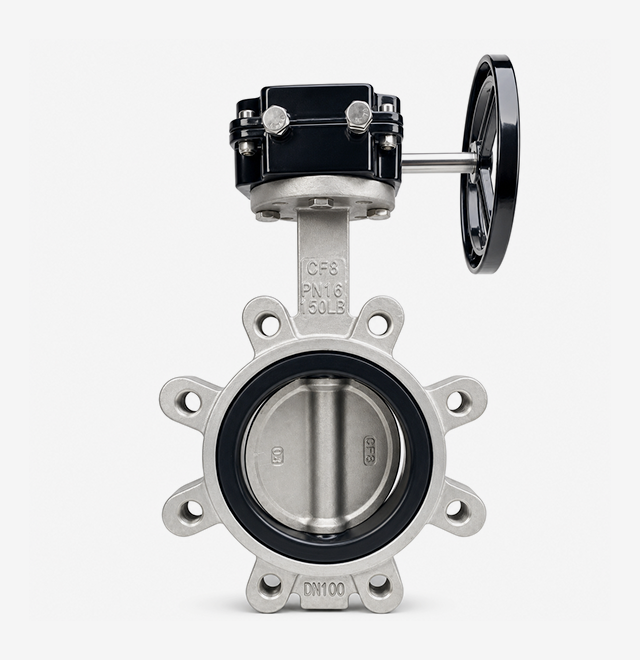
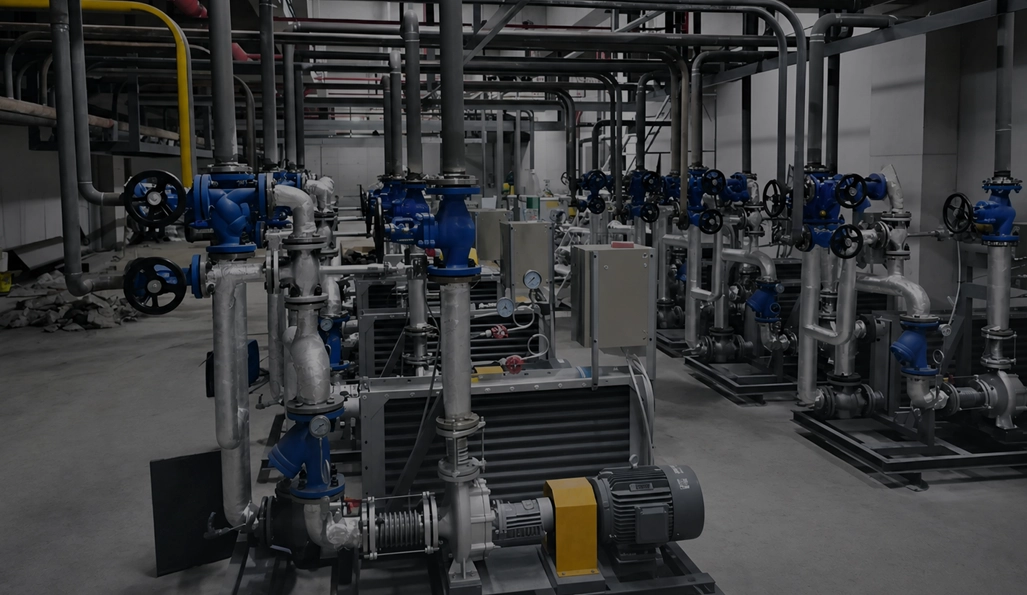
Flexible Rubber Joint for Pipeline Vibration Isolation - Factory-Direct Supply & Custom Solutions
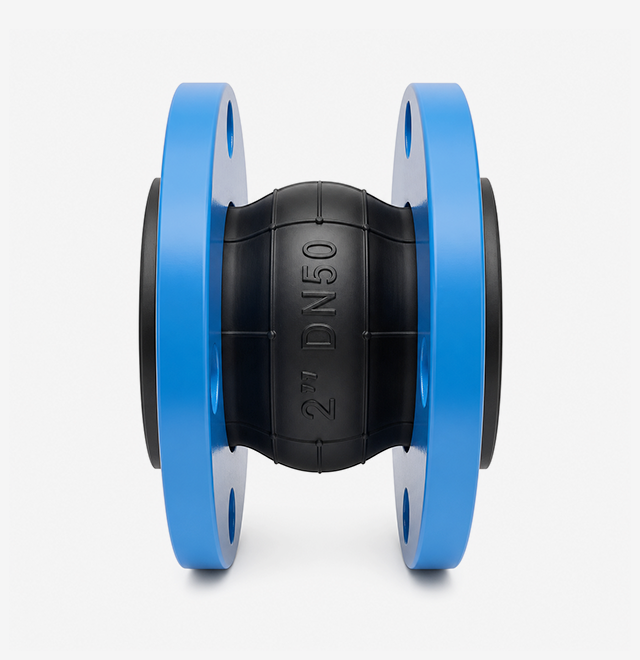
Inside a pipeline, Tangzheng's flexible rubber joint works as a compensator. Vibration gets soaked up. Noise comes down too. Axial, lateral, and angular movement is absorbed as well, which counts for a lot in industrial piping systems. Sizes start at DN32 and go up to DN600. PN10/PN16 is the pressure rating, and the unit runs between -10°C and 120°C. Water passes through without trouble. Sewage does too. Air is fine. So are oil and neutral liquids. Rubber comes in EPDM. NBR is another choice. Neoprene is a third. Flange material can be Carbon Steel or Ductile Iron. SS304 and SS316 are on the list too. That spread of options covers many project needs. Valve manufacturing since 2006.
What Is Joint?
This product, also known as a rubber expansion joint or a soft connector, is a pipe connector with high elasticity and a gas-tight seal. Inside sits an inner rubber layer, backed by a nylon cord fabric reinforcement. An outer rubber layer covers it. A loose metal flange holds the whole thing in place.
Rigid pipe connections stay put. This one moves, and it does so in every direction. Pumps come out of it protected. Valves do too. Sensitive equipment is spared as well. Without it, that gear would pick up stress fractures. Vibration brings those on. Thermal expansion does the same. Mechanical displacement is another cause.
Specifications
| Parameter |
Details |
| Size |
DN32 – DN600 |
| Pressure Rating |
PN10 / PN16 |
| Rubber Material |
EPDM / NBR / Neoprene |
| Reinforcement |
Nylon cord fabric |
| Flange Material |
Carbon Steel / Ductile Iron / SS304 / SS316 |
| Flange Coating |
Galvanized / Epoxy coated |
| Connection Standard |
EN 1092-1 / GB/T 9119 |
| Structure |
Single sphere / Double sphere |
| Medium |
Water, Sewage, Air, Oil, Neutral Liquid |
| Temperature Range |
-10°C – 120°C |
Key Product Features
Choosing the right rubber expansion joint means more than just matching a pipe size. Here is what sets this product apart:
Several rubber compounds are there to pick from. EPDM stands up to heat. Ozone and weathering do not bother it either. For oil-based media, go with NBR. Neoprene sits in the middle, and it works well for general duty. That way the material matches the conditions your line actually runs in.
Inside sits a nylon cord layer. That fabric core gives the joint extra structural strength. Under pressure the joint keeps its shape. Service life goes up too.
Flange material can be mixed and matched. Carbon Steel is one option. Ductile Iron, SS304, and SS316 are others. Finishes come galvanized or epoxy-coated. Go with the option that meets the corrosion protection your site needs.
You get two layouts: single sphere or double sphere. More movement gets soaked up by a double sphere unit. Where space is tight, the single sphere version fits better. It is smaller.
Where It Is Used
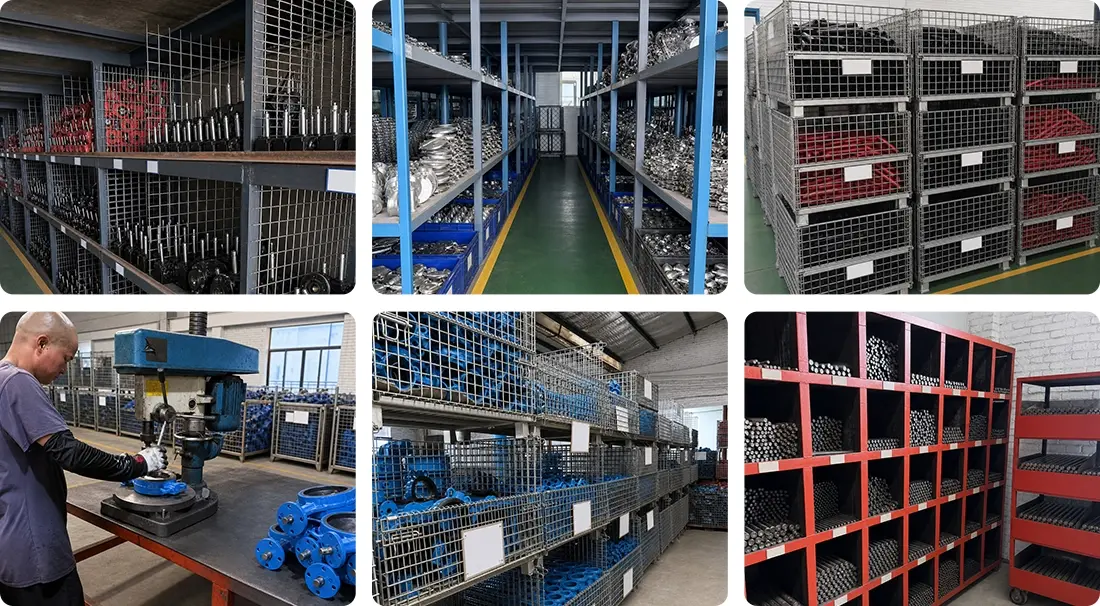
Pump outlets and equipment connections are where this rubber expansion joint, Flexible rubber joint, usually goes. Mechanical noise gets isolated. Vibration transfer drops too.
Typical application areas include:
- Water supply and drainage systems: pressure surges and pump vibration get absorbed here
- Wastewater treatment plants: abrasive sludge is a daily reality, and so are shifting hydraulic loads
- HVAC systems: compressor noise from chiller and cooling tower circuits gets cut down
- Industrial piping: long pipelines need space to shift as they heat up and cool down
- Chemical and process systems: EPDM and NBR options stand up to a range of media
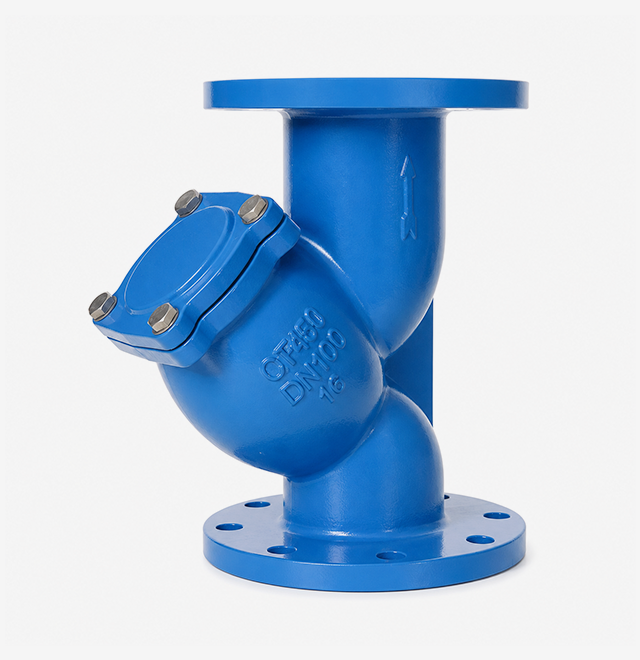
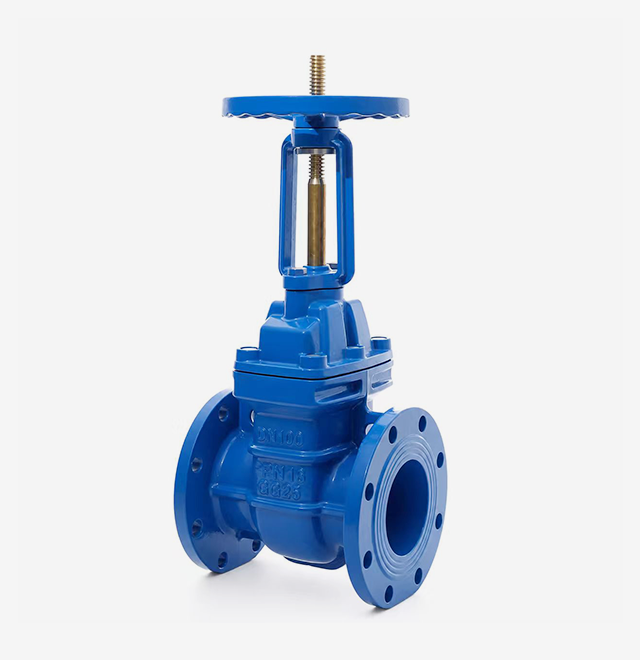
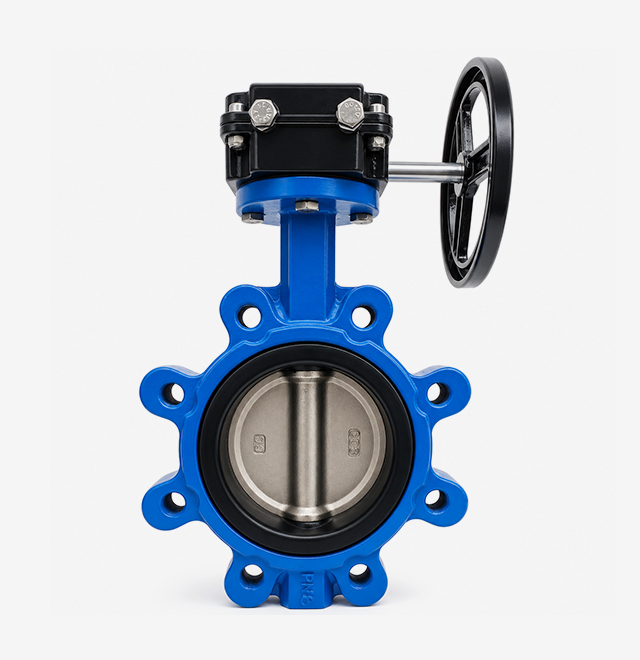
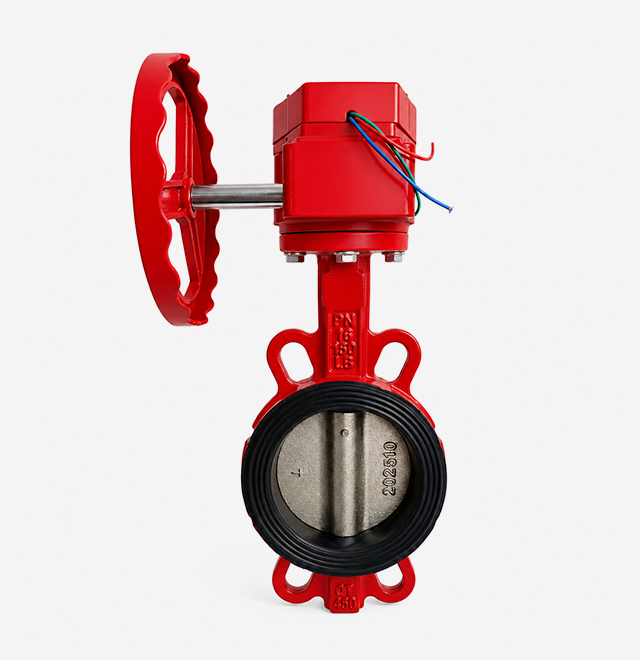
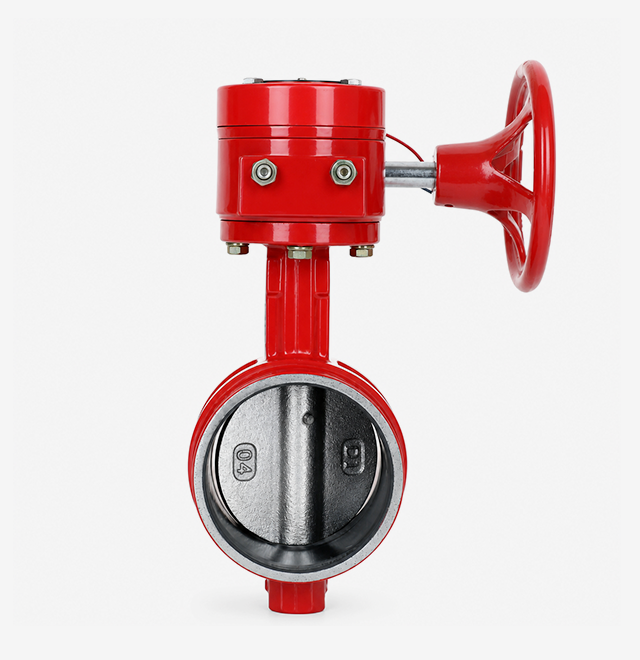
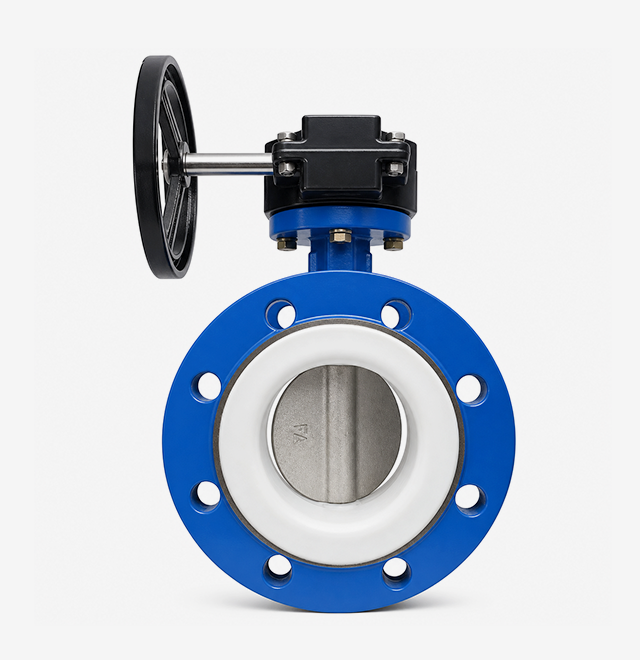
Does your project include pump-to-pipe connections? Then take a look at this joint, along with your butterfly valve and flange dimensions. We can go over all three together before we send a quote.
Why Work With Tangzheng
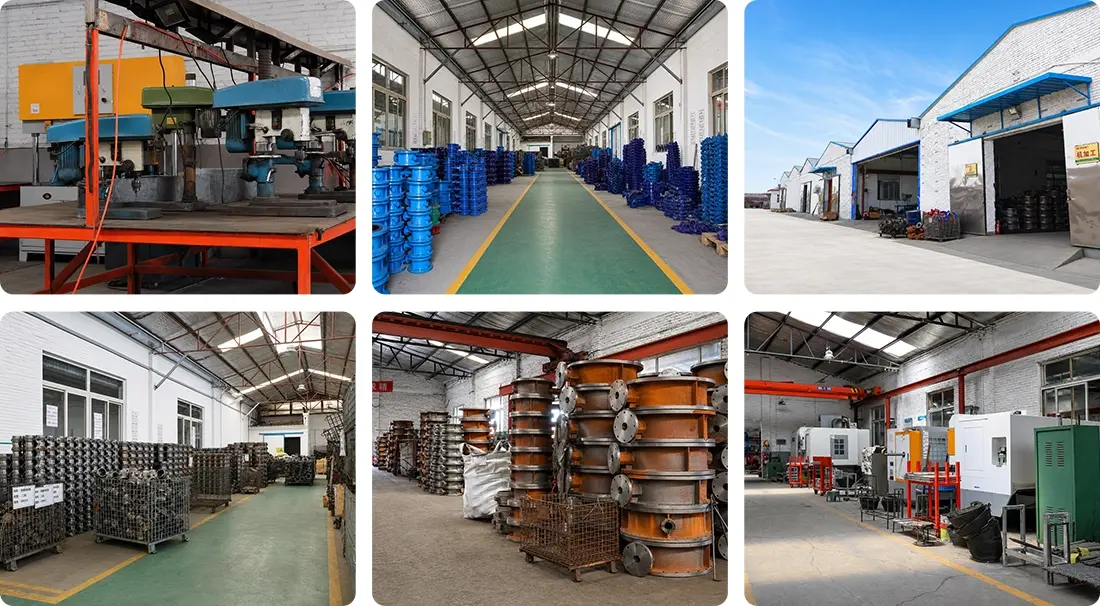
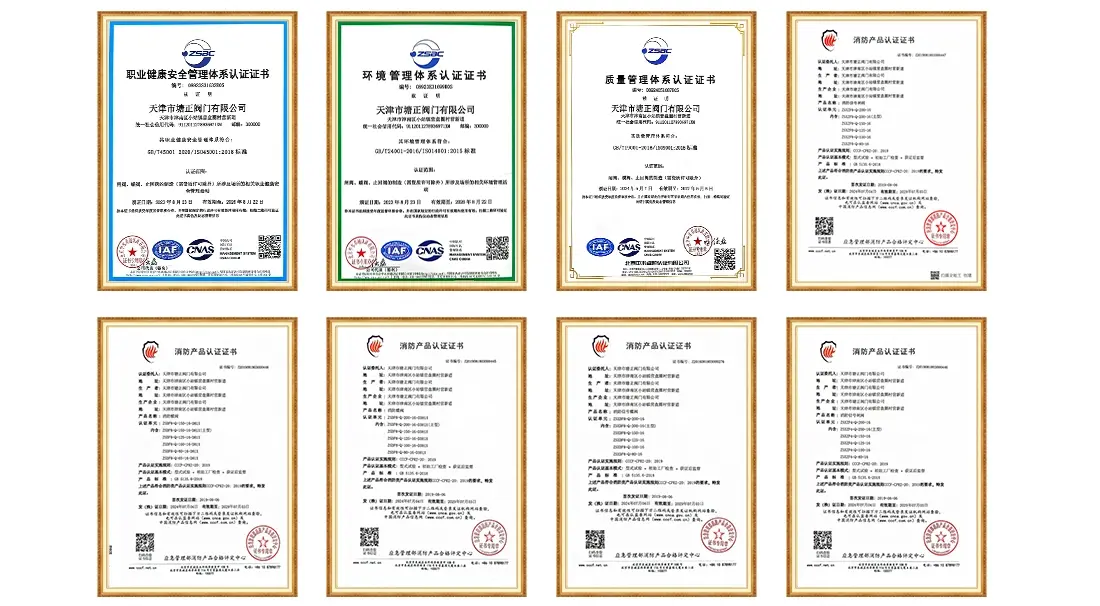
Valves and pipeline accessories have been made by Tangzheng since 2006. That builds on a manufacturing history going back to 1998.
Factory-direct pricing. No middlemen. Wholesale prices stay competitive for a trial order or a full bulk project.
OEM and customization. Materials are open to change. So are dimensions, flange standards, coatings, and labeling. Send drawings, samples, or your project requirements. From there we take on the OEM/ODM work.
Fast technical response. Send in a technical question during business hours. The answer reaches you inside one hour. Support covers product selection too. We also help with installation guidance and run compatibility checks.
Flexible MOQ. We take small trial orders. Large project supplies are fine too. Distributors and contractors can test products this way before they commit to volume.
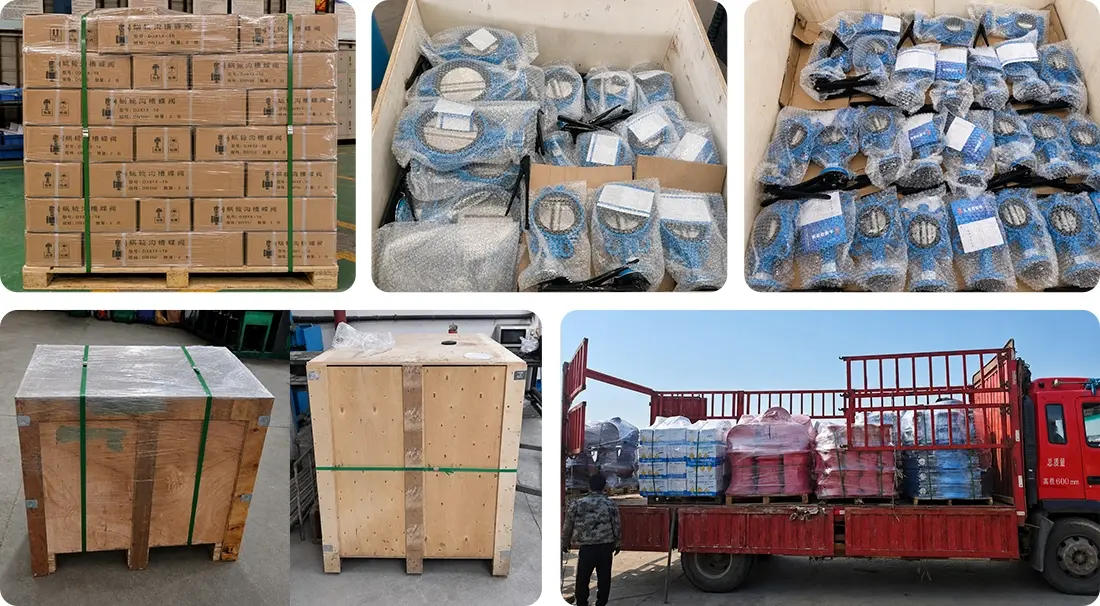
Export packaging. Products are packed in export-grade wooden Flexible rubber joint cases. Logistics coordination through Tianjin Port is available.
Flexible rubber joint FAQ
Q: Which movements can this rubber expansion joint absorb?
A: The joint design affects axial, lateral, and angular movement. Nominal size and pressure rating do as well. For the model you picked, ask us for its dimensional data. We will then confirm if it fits your case.
Q: Can you provide OEM service?
A: Yes. OEM and ODM orders are both fine. Send in your drawings or samples, or just tell us what the project calls for. From there we change the materials, the dimensions, and the flange standards. Coatings and private-label packaging get adjusted to match your request too.
Q: What is the right way to install a rubber expansion joint?
A: Keep the pipeline properly aligned. Avoid twisting or overextension during installation. Use suitable anchors, guides, and control rods where required by your piping design. Control rods are especially important in systems with insufficient anchoring.
Q: What causes cracks to show up on the surface of rubber joints?
A: Ozone and UV wear over time are the usual causes of surface cracking. Choose EPDM for the outer rubber layer and that risk drops a lot in outdoor or exposed settings.
Q: What is the typical service life?
A: A well-specified product usually lasts 5–10 years in standard water systems. Hot or chemically aggressive environments shorten that service life. Material choice matters more than anything else.
Q: When are control rods necessary?
A: Control rods should be used when the piping system lacks proper anchoring, or when operating pressure conditions require restraint against over-extension and potential joint pullout.
Get a Quote
Do you have more questions about Flexible rubber joint? Send your size, pressure, medium, temperature, movement requirement, and quantity to youweipan@tangzhengvalves.com for a fast, accurate quotation.