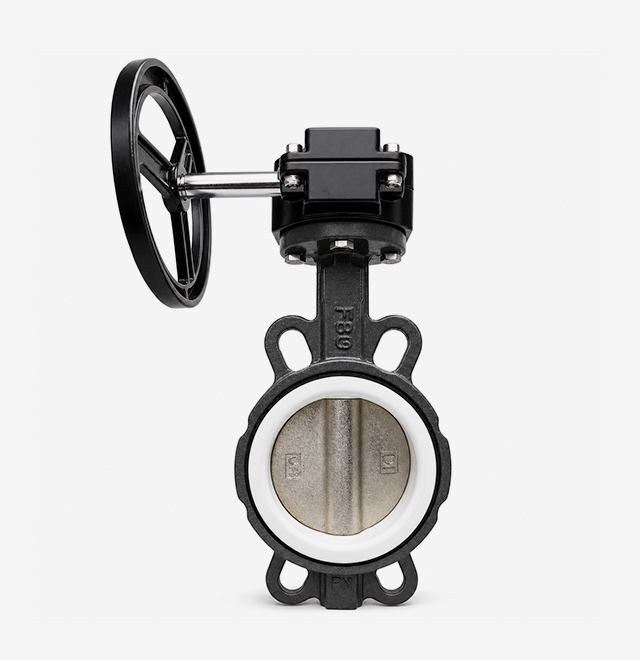
Wafer And Lug Type Butterfly Valves - Versatile Resilient-Seated Series for Industrial Pipeline Systems
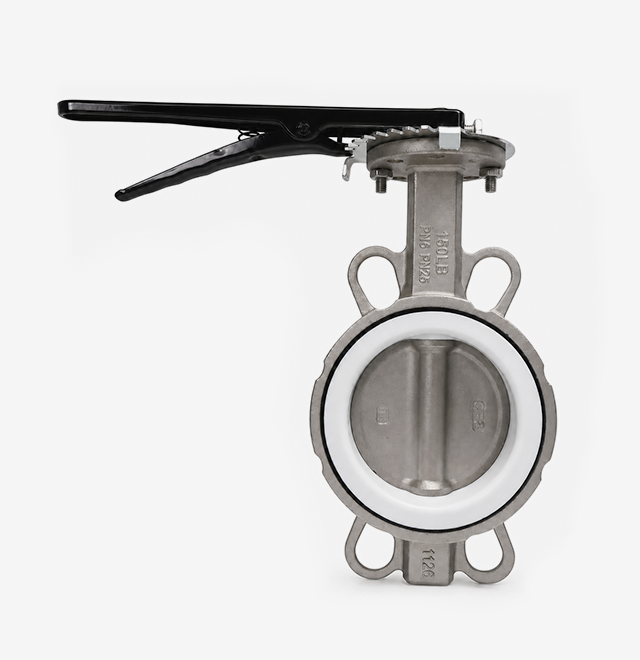
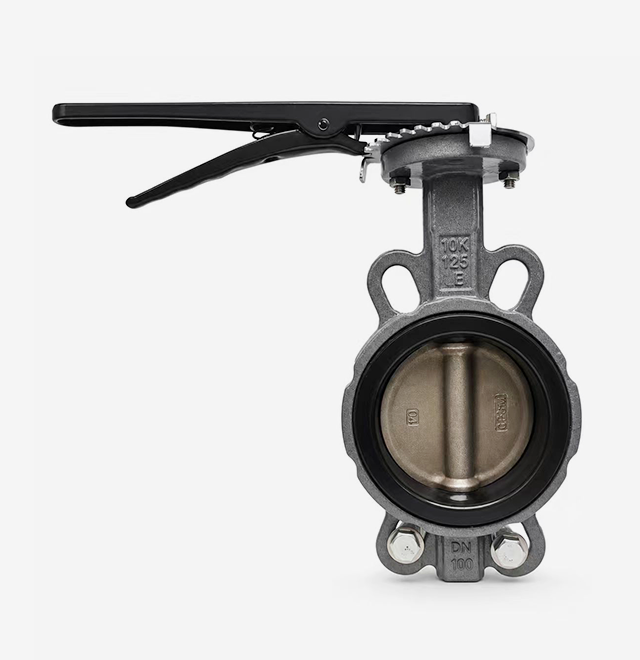
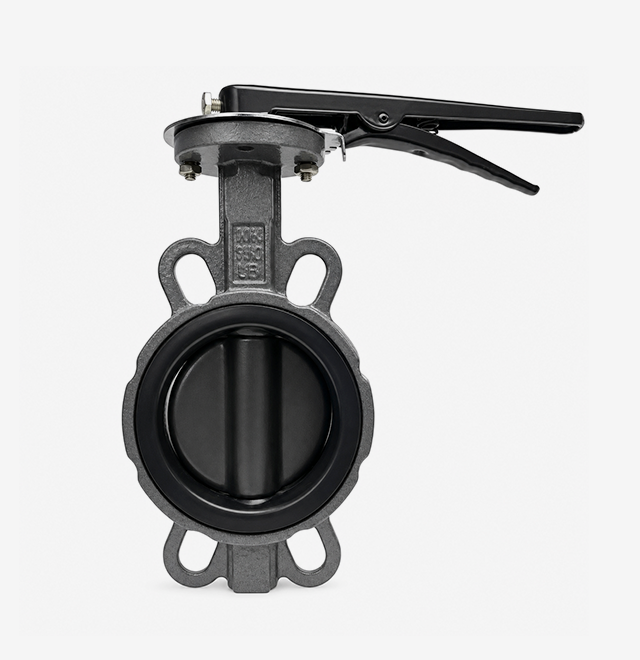
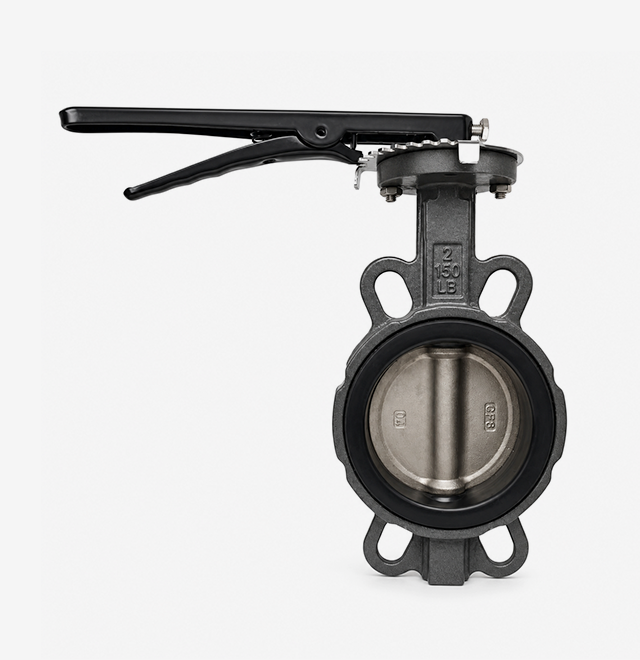
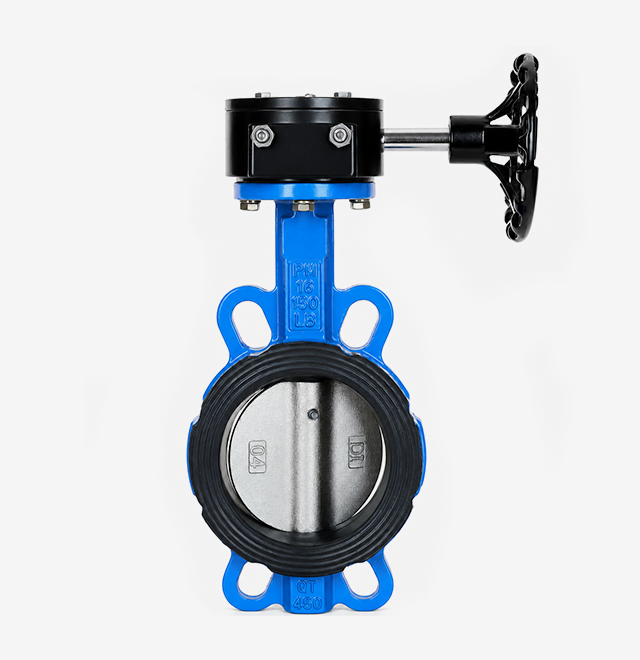
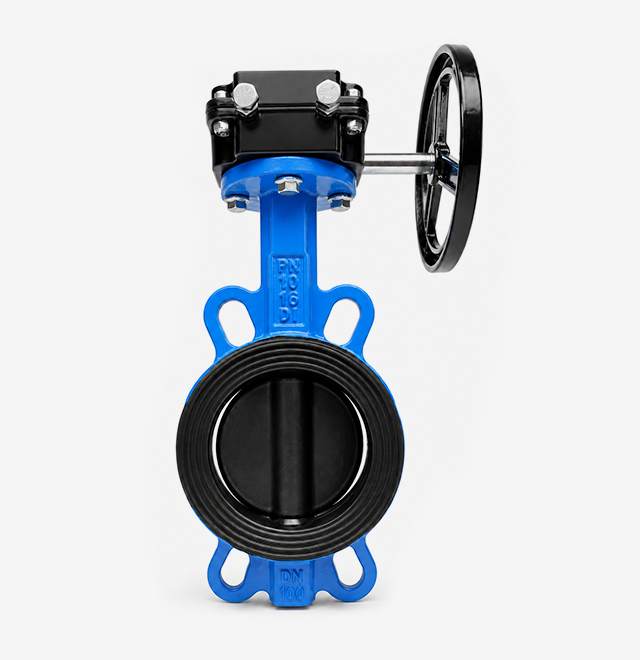
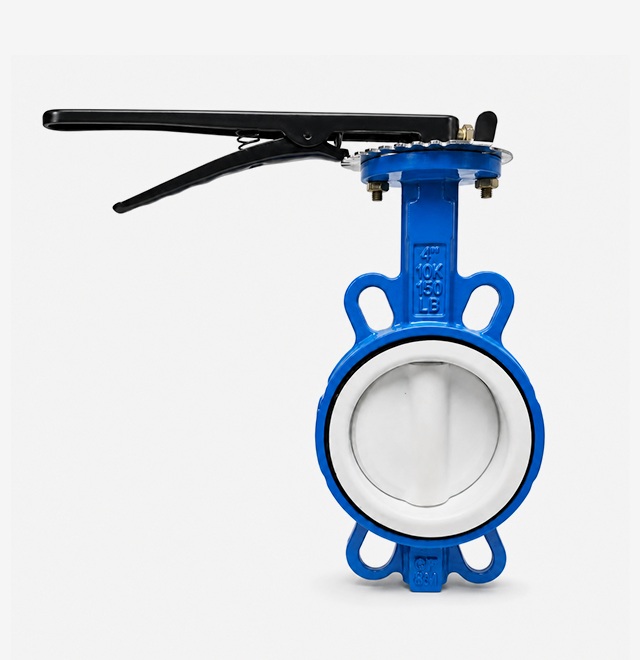
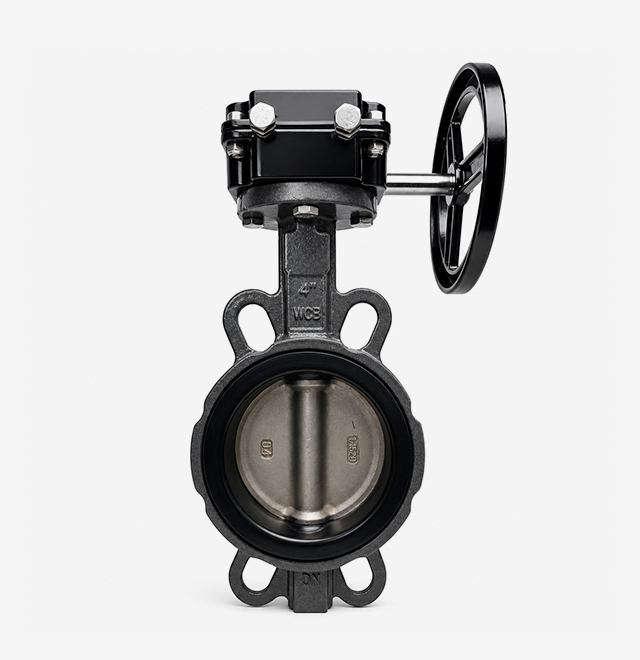
Wafer And Lug Type Butterfly Valves are made by Tianjin Tangzheng Valve Co., Ltd. Fluid isolation and flow control in hard industrial service is what they are built for. Sizes run from DN50–DN300, with PN10/PN16 ratings. Body material choices include ductile iron, WCB, SS304, and SS316. Shutoff stays bubble-tight, and seats come in EPDM, NBR, or PTFE. Tangzheng has been manufacturing since 1998, and the current corporate entity was set up in 2006. More than 50 valve models and 600+ specifications sit in the catalog. OEM/ODM customization is offered, MOQ stays flexible, and in-stock orders that qualify go out same-day or next-day. For buyers around the world, that adds up to a practical, cost-effective answer.
What Makes valves Different?
Two pipe flanges clamp the wafer type in the middle. Long through-bolts hold it there. Light and compact, it fits cramped spaces well. On the lug type, threaded inserts sit right on the valve body. Each side of the flange then bolts on its own.
That small design gap changes how the job gets done. Run the lug type in dead-end service and you can pull the downstream plumbing out of service while the upstream line stays pressurized. Systems that see heavy maintenance, such as pump discharge points or process skids, need that kind of flexibility.
Technical Specifications
| Parameter |
Details |
| Connection Type |
Wafer / Lug type |
| Size Range |
DN50 – DN300 |
| Working Pressure |
PN10 / PN16 |
| Body Material |
QT450 / WCB / CF8 / CF8M |
| Disc Material |
Ductile iron / CF8 / CF8M |
| Seat Material |
EPDM / NBR / PTFE |
| Shaft Material |
Q235 / 2Cr13 / 304 / 316 |
| Operation |
Handle / Gear / Electric / Pneumatic |
| Actuator Mounting Standard |
ISO 5211 |
| Media |
Water, sewage, air, neutral liquids |
| Temperature Range |
0 – 125°C |
Key Features
The design is small and saves space. A wafer layout makes the face-to-face size much shorter than gate or globe valves. Installation costs drop as a result. The support structure also has less to carry.
Many materials can be used. Body choices go from ductile iron to stainless steel CF8M. For seats, EPDM works with water and air. NBR suits oils it is compatible with. PTFE handles corrosive media or media that are chemically aggressive.
Shaft manufacturing happens in house. Tangzheng makes its valve shafts itself. Shaft diameter and tolerances are checked. So are shaft ends and the disc-to-shaft connection. Assembly torque gets checked too. The aim is to cut jamming. It also helps prevent uneven wear and keeps the seal stable.
You can run the valve in several ways. Handle, gear, electric, and pneumatic setups are all offered. On-site manual control is covered, and automated process systems work as well.
The valve turns a quarter turn, or 90°, and the action is reliable. It opens and closes fast. A clear position indicator also helps. Systems that cycle often are a good fit for these valves.
Typical Application Scenarios for Wafer And Lug Type Butterfly Valves
These Wafer And Lug Type Butterfly Valves get picked often for compatible jobs in many industries:
- Water treatment and municipal supply. Filtration systems and distribution networks are part of it. So are desalination plants. In all of them, corrosion resistance is essential
- HVAC and district cooling. Chilled water circuits run through commercial buildings and high-rise buildings. Lightweight valves cut pipe strain there
- Fire protection systems. They provide isolation service. Sprinkler networks and suppression networks both use it
- Industrial and chemical pipelines: PTFE-seated variants handle many corrosive or aggressive media in process environments
- Sewage and wastewater: the ductile iron build is tough and handles abrasive or dirty flows
Before you settle on a final option, check the medium, the concentration, the temperature, and the working pressure. That way the materials will not clash.
Why Source from Tangzheng?
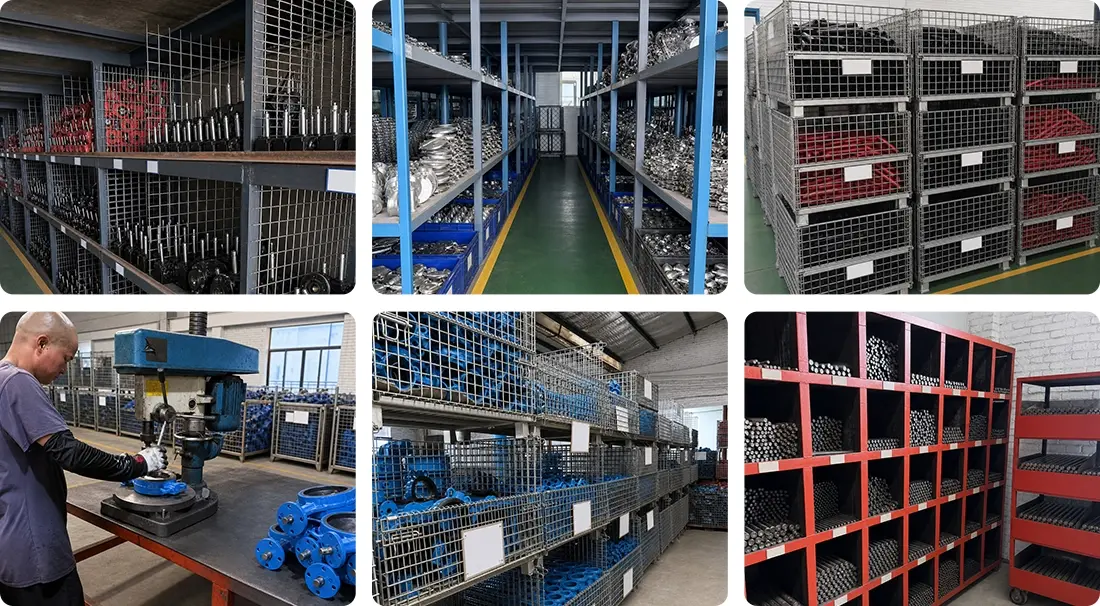
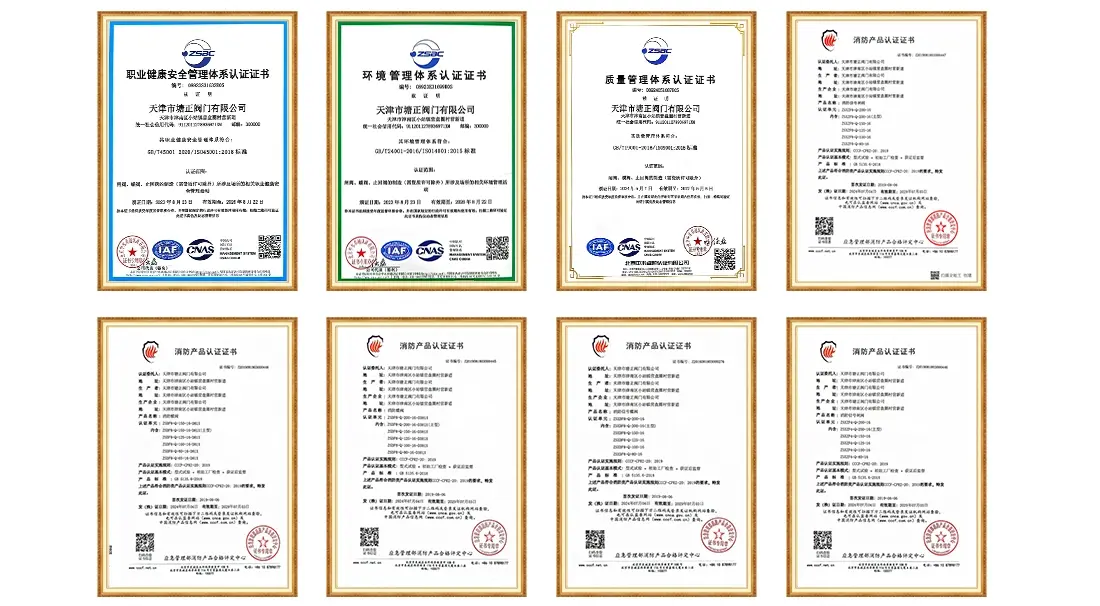
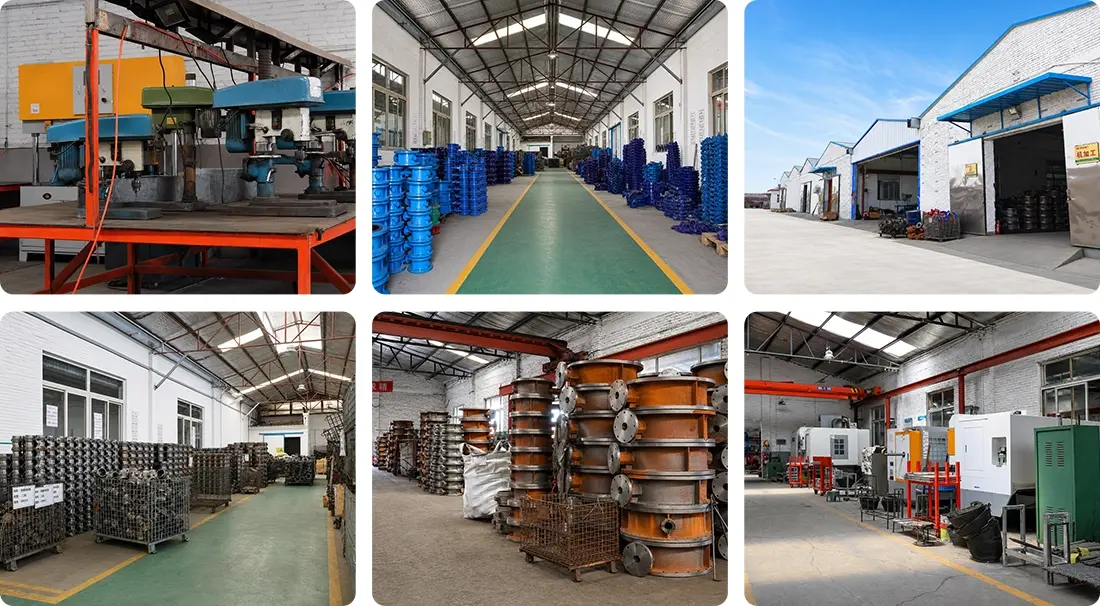
Tangzheng has been producing industrial valves since 1998. Every step of the chain sits in the company's own hands. Casting comes first, then machining. Assembly follows, and pressure testing and export packing finish the job in the same plant.
Six key parameters get confirmed before any quote goes out. Size and pressure rating come first. Then the medium and the temperature. The connection standard and the quantity close it out. Doing this up front keeps product mismatches from happening. It also helps you avoid rework costs and delivery delays.
Here is what working with Tangzheng on Wafer And Lug Type Butterfly Valves gives you:
- Prices come straight from the factory. MOQ stays flexible, so a small trial run works and so does a bulk order
- OEM/ODM work is available. We build from your drawings, samples, or project specs
- During business hours you get a technical reply within 1 hour
- Standard custom builds take 7–15 business days to get ready.
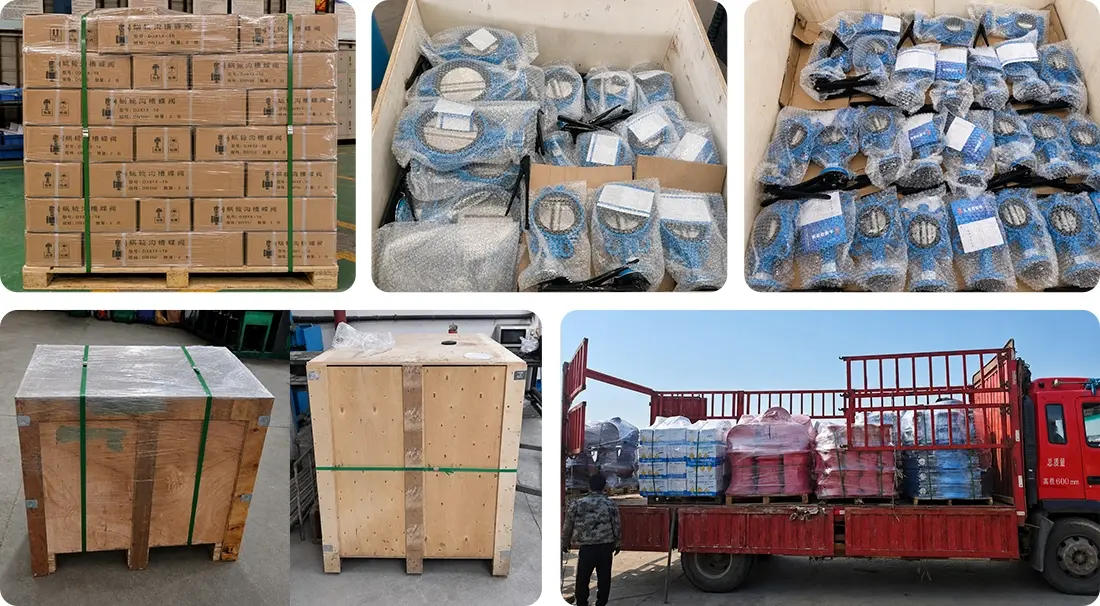
- We use wooden export cases and coordinate freight through Tianjin Port.
FAQ
Q: How should I go about picking the right butterfly valve for my system?
A: Please confirm a few things for us. Pipeline DN, working pressure, medium, temperature, and connection standard. Also tell us what flow control you need, how the valve will be operated, and the installation conditions. Our Tangzheng team will suggest the right configuration, then send you a quotation.
Q: Can a wafer type valve be used for dead-end service?
A: No. Wafer type valves require pressure from both sides to maintain seat position. If you need to remove downstream piping while keeping the upstream side pressurized, the lug type is the correct choice.
Q: What seat material should I choose?
A: EPDM works well for water and air service. NBR suits compatible oil-based media. PTFE is preferred for many chemical or corrosive applications. Final selection depends on your actual medium, concentration, and operating temperature.
Q: Is OEM/ODM service available?
A: Yes. Full OEM/ODM customization is available from Tangzheng. Send us your drawings, samples, or project requirements. We can adapt materials, dimensions, coatings, marking, and packaging to match.
Q: Why is bi-directional sealing important?
A: Bi-directional sealing ensures the valve prevents backflow regardless of fluid direction - a critical safety requirement in pumping stations and verified through bi-directional pressure testing.
Contact Us
Ready to discuss your project with Wafer And Lug Type Butterfly Valves? Contact us at youweipan@tangzhengvalves.com - fast response, no obligation.